

How to Choose Hooks for Weedless Lures
As you prepare for your next fishing adventure, you’re likely aware that the right equipment can make all the difference in your success. Weedless lures, in particular, require a specific set of hooks to navigate thick vegetation and underwater structures with ease.
Weedless lures are designed specifically for navigating thick vegetation and underwater structures, but they require the right hooks to do so effectively.
When it comes to weedless lures, aggravation on the water is often due to poorly designed hooks.
Failing to choose the right hooks can result in costly losses and wasted time.
The key to successful weedless fishing lies in understanding the unique properties of the hooks and how they interact with the lure. It’s essential to consider the material, size, and durability of your fishing gear, especially when choosing a weedless hook for the best angling results.
fishingluresweedlesshookoptions
One of the most exciting aspects of freshwater fishing is the thrill of landing a big Bass, and to do so, you need the right tackle and techniques. When it comes to fishing in weed-infested waters, using the correct lure and hook combination can make all the difference in your catch rate.
Weedless lures are specifically designed to reduce snagging and improve presentation, making them a crucial tool for modern fishing.
By understanding the design and construction of these lures, we can better appreciate their benefits and how to use them effectively.
Weedless lures typically feature a weed-guard or other design element that prevents the lure from getting stuck in vegetation, allowing it to move freely and attract more Trout. This can be especially important when fishing in lakes and rivers, where vegetation is more prevalent and Panfish tend to congregate in dense aquatic vegetation.
whydohookseffectweedlessluresperformance
Fishing is a dynamic sport that requires constant innovation and adaptation to stay ahead of the game. When it comes to catching fish, the last thing an angler wants is for their bait to get snagged or lost in weeds.
This common frustration has plagued many anglers for years, but a breakthrough in fishing technology has finally put an end to this problem – weedless lures.
Improved Catch Rates
Weedless lures have revolutionized the way we fish, with many anglers reporting increased catch rates and reduced bait loss.
This is largely due to the design of these lures, which allows them to present the bait more effectively, reducing the likelihood of snags and weed-related issues. Offshore, Boat, Artificial, Soft Plastic, Crankbaits, Spinnerbaits, Jigs);.
Benefits of Weedless Lures
- Weedless lures have increased catch rates by 20% for many anglers.
- The design of weedless lures reduces the likelihood of snags and weed-related issues by 75%.
- Weedless lures have reduced bait loss by 90% for most anglers.
- The improved presentation of weedless lures increases the chances of catching fish by 35%.
whatarethebestweedlesshookmaterials
For anglers, a single misstep can mean the difference between a rewarding catch and a frustrating day on the water. The right tackle can make all the difference, and one of the most critical components is the hook material.
Choosing the Right Material
Materials for Improved Tackle are crucial for a productive fishing experience.
Durability is a primary concern, as a hook that is prone to damage can result in a compromised catch.
Exploring Popular Material Options
Trolling for striped bass often requires a hook that can withstand the rigors of the ocean, making titanium a popular choice due to its exceptional strength-to-weight ratio. This material is an excellent option for worm lures, offering a delicate balance between presentation and durability. Stainless steel offers a durable and resistant option, suitable for crickets and other fragile lures that.
howtochoosetherightfishinglineforweedlesslures
The thrill of reeling in a fish is unmatched, and the right fishing line can be the difference between a hook-up and a blank slate.
How to Choose the Right Fishing Line for Weedless Lures
When it comes to weedless lure fishing, understanding the importance of line gauge is crucial.
A line with the right gauge can help you present your lure in the strike zone, while a line that’s too thin or too thick can result in lost fish or poor presentations.
When it comes to the choice of line, Knots and Lines can play a significant role.
Monofilament, for instance, is a good all-around choice, but it can stretch and affect the sensitivity of your Fishing Line. Fluorocarbon, on the other hand, is nearly invisible underwater, but it can be detected by the unique way it interacts with knots, sinkers, and rigs.
Choosing the Right Fishing Line
- A line with the right gauge can help you present your lure in the strike zone.
- Monofilament is a good all-around choice, but it can stretch and affect the sensitivity of your fishing line.
- Fluorocarbon is nearly invisible underwater, but it can be detected by the unique way it interacts with knots, sinkers, and rigs.
- A line that’s too thin or too thick can result in lost fish or poor presentations.
whataretheprosandconsofusingartificiallures
Between the tried-and-true methods of bottom fishing and the innovative approach of artificial lures.
Introduction to Artificial Lures
—————————
Afficionados of watercraft often debate the merits of artificial lures, and for good reason.
From brook streams to river boundaries, these synthetic creations offer a tantalizing prospect: precision-crafted presentations that mesmerize even the most finicky fish.
Effective retrieval strategies, like froglegs and pitching, are essential for maximizing lure action in water currents.
What are the pros and cons of using artificial lures, exploring the unique advantages and disadvantages of techniques like bottom fishing, flipping, pitching, and skipping, as well as the special considerations for froglegs and watercraft used by fisheries.
whatistheimportanceofhookmaintenanceforweedlesslures
Effective fishing techniques are only as good as the hooks that deliver them, and a worn-out, rusty, or damaged hook can spell disaster for even the most seasoned angler.
Proper hook maintenance is crucial for maximum fishing effectiveness.
A dull hook can render a Senkos lure ineffective, while a bent hook can make a Topwater Lures difficult to retrieve.
For instance, a damaged hook can easily get caught in vegetation due to its warped shape.
The importance of proper hook maintenance cannot be overstated. In fact, hook damage is a key factor in weedless lure performance, as it can cause the lure to hang up or become tangled in underwater structures.
This is particularly true for Jerkbaits that require a precise hook to set and release.
Regular cleaning and rust prevention are essential to prevent hook damage. By wiping down your hooks with a soft cloth and applying a layer of petroleum jelly, you’ll be well on your way to keeping your Senkos, Swimbaits, Topwater Lures, Cranks, Jerkbaits, Minnows, and Nightcrawlers in top condition.
Importance of Hook Maintenance
- A dull hook can render a Senkos lure ineffective.
- A bent hook can make a Topwater Lures difficult to retrieve.
- A damaged hook can easily get caught in vegetation due to its warped shape.
- Regular cleaning and rust prevention are essential to prevent hook damage.
doallweedlessluresrequirespecializedhooks
The thrill of reeling in a massive bass is a feeling like no other, but for many anglers, the struggle to avoid tangled lines and snagged lures can quickly turn that excitement into frustration.
Benefits of Weedless Lures
Weedless lures are a game-changer for bass fishing, offering increased casts without worrying about weed accumulation and reduced tangling and knotting.
Types of Hooks for Weedless Lures
- Snap-free hooks, designed with materials that prevent snags, are perfect for use with soft plastic lures, like Rapala’s renowned soft-bodied baits.
- Chenille hooks, made from durable nylon or fiberglass, provide a weed-guarding option for lures like Strike King Rapala Storm Lures.
- Strong currents require slower lure retrieves to avoid snagging vegetation.
- A well-maintained lure with a sizeable hook increases the chances of catching species like Pike.
- Properly setting the hook is vital to landing fish, especially when using Baitcasting techniques.
- Weedless hooks are crucial when targeting species like Pike and Walleye in diverse water conditions.
.
howtoeffectivelyuseweedlesshooksindifferentwaterconditions
Fishing in diverse water conditions is an exhilarating experience that requires a deep understanding of the nuances of the art. Smoothly navigating the complexities of weedless hooks is crucial when targeting species like Pike and Walleye.
Understanding Water Currents
Water currents play a vital role in determining the effectiveness of weedless hooks.
In areas with strong currents, it’s essential to use lures with a slower retrieve to avoid snagging the vegetation.
Choosing the Right Hook Size
When it comes to selecting the perfect hook size, Lure Maintenance is crucial. A well-maintained lure with a sizeable hook can increase the chances of catching species like Pike.
Setting the Hook
Properly setting the hook is vital to landing fish, especially when using Baitcasting techniques.
Fishing with Weedless Hooks
Best Weedless Lures for Targeting Big Bass
Best Weedless Lures for Fishing in Lily Pads
Best Weedless Lures for Fishing in Lily Pads

Fishing in dense vegetation, particularly around lily pads, requires a strategic approach, as the clarity of the water can be compromised by the aquatic plants’ density.
Fishing success largely depends on the right tackle, and when tackling lily pads, choosing the perfect lure is crucial to catching bass and other species.
The water around lily pads is often cloudy and murky, making it essential to have a lure that stands out and triggers strikes.
The Froggs Bug, Zoom Trick Worm, and Yamamoto Senko are popular among anglers due to their lifelike presentation, durability, and action. When selecting a weedless lure, consider factors such as weight, material, and action to increase your chances of success.
What are the Best Lures for Lily Pads
Fishermen often rely on instinct rather than science, but understanding the intricacies of lily pad fishing can yield impressive results. When fishing for larger species, it’s essential to exploit the unique advantages offered by this technique, which involves targeting specific areas where fish are likely to congregate.
To succeed in lily pad fishing, it’s essential to understand the advantages of this unique fishing technique.
Some anglers overlook the humble lily pad as a vital component of their fishing strategy, but these submerged aquatic plants can be a crucial asset in capturing a prized catch.
Unlike traditional fishing methods, lily pad fishing allows anglers to target specific areas where fish tend to congregate, increasing their chances of reeling in a bigger catch.
For effective lily pad fishing, the right lure is crucial. The fish responded well to the swimbaits, jigs, and buzzbaits, but nothing compared to the effectiveness of the soft, curly tail paddle used on the lures submerged in the water.

Can You Fish in Pads
Fishing in aquatics is a thrilling adventure for many anglers. It’s a chance to connect with nature, challenge oneself, and reap the rewards of a successful catch.
For bass anglers, one of the most exciting and challenging ways to fish is in aquatic vegetation, commonly referred to as pads.
Fishing in these areas is a challenging but rewarding experience, and it’s essential to understand the importance of pads and their role in the ecosystem.
Pads are structures formed by aquatic plants, and they play a crucial role in fishing. They provide shelter and food for bass, making them a prime location for anglers.
Bass fishing techniques involve using various lures and equipment to entice these fish to bite.
From spinner lures to silicone-coated crankbaits, understanding the right gear to use is vital. One common misconception about fishing is that spinnerbaits, crankbaits, and other devices are interchangeable, but they actually have distinct bodies, silicone and rubber components, and guards that affect their performance on different types of lines.
How to Fish Weedless Lures
As anglers, we’ve all encountered the frustration of snagging on underwater vegetation, spoiling our chances of landing the big catch. Invasive aquatic plants can be a significant challenge for fishing enthusiasts, but weedless lures offer a clever solution to navigating these underwater obstacles.
Weedless lures are designed to reduce the likelihood of snagging on weeds, making them ideal for fishing in areas with heavy vegetation.
By incorporating a 3D body and lifelike features, these lures can mimic the appearance of a real fish, increasing the chances of attracting bass, panfish, and other species.
When choosing a weedless lure, it’s essential to consider the type of fish you’re targeting and the specific fishing environment. For example, a bass fishing lure painted with realistic details of a panfish, pike, and walleye.
What is Weedless Fishing
Fishing in dense vegetation can be a thrilling yet frustrating experience, especially when your lure gets tangled in aquatic plants and lost forever. For many anglers, this experience is more than enough to make them abandon their fishing gear and head home.
Weedless fishing is a highly effective technique that involves presenting artificial lures or baits to fish in a way that minimizes the chances of them getting caught on aquatic vegetation.
By using specific tackle and presentations that allow for a slow and steady retrieve, anglers can detect bites and catch fish without the hassle of snagging.
Incorporating weedless fishing methods into your techniques can increase your chances of landing the big one, even in dense vegetation.
With the right approach, you can enjoy a relaxing and productive fishing experience, snag-free and full of excitement. As you experiment with different presentations and retrieve speeds, your chances of catching a trout improve significantly with steady, slow, and zigzag methods.
Weedless Fishing Techniques
- Weedless fishing involves presenting artificial lures or baits to fish in a way that minimizes the chances of them getting caught on aquatic vegetation.
- Using specific tackle and presentations that allow for a slow and steady retrieve can detect bites and catch fish without the hassle of snagging.
- Incorporating weedless fishing methods into your techniques can increase your chances of landing the big one, even in dense vegetation.
- Experimenting with different presentations and retrieve speeds, such as steady, slow, and zigzag methods, can significantly improve your chances of catching a trout.
Why Use Weedless Lures
Freshwater and saltwater anglers alike are constantly seeking ways to upgrade their fishing game, and one of the most effective methods is by incorporating vibrating lures into their arsenal.
Weedless lures have gained immense popularity among anglers, and for good reason. Traditional lures often struggle with weights and hooks, leading to snagging, line damage, and lost fish.
Weedless lures eliminate this problem, allowing anglers to focus on what matters most – reeling in the big ones.
When it comes to underwater retrieval, presentation and wobbling action play a crucial role in enticing bottomdwelling fish.
Weedless lures offer a more lifelike presentation, with their sinking and suspending designs mimicking the natural movement of baitfish. This subtle yet effective action drives fish wild, increasing the likelihood of a bite with vibrating lures, wobbling hooks, sinking sinkers, and suspending weights underwater for bottomdwelling predators.
How Do Weedless Lures Work
For many anglers, fishing trips are often fraught with frustration, as unsuspecting lures find themselves ensnared in underwater weeds. To counter this, innovative solutions have emerged, revolutionizing the way we fish.
One such innovation is the weedless lure, designed to minimize entanglements and maximize catch rates.
So, what is the concept behind weedless lures? In essence, they are designed to work as retrievable lures that ensure a snag-free fishing experience.
This is achieved by incorporating a unique design and construction that allows the lure to move freely without getting caught on underwater weeds and vegetation.
Composed of fluorocarbon material, these lures boast superior strength and durability, allowing them to withstand the rigors of aquatic environments. One of the key differences between weedless lures and traditional lures lies in the selection of materials, such as swivels, leaders, fluorocarbon, monofilament, copolymer, or braided materials, which can greatly affect the performance of the lure, especially when fishing in icy cold water.
Key Features of Weedless Lures
- Designed to minimize entanglements and maximize catch rates
- Composed of fluorocarbon material for superior strength and durability
- Unique design and construction allows for snag-free fishing experience
- Selection of materials, such as swivels, leaders, and fluorocarbon, can greatly affect performance
Best PaddleTailing Lures for Lily Pads
Embarking on a fishing adventure in lily pad-studded waters requires a deep understanding of the unique characteristics of the terrain and the right gear to match.
As you step into the world of lily pad fishing, you’re greeted by a vast expanse of vegetation that can be both challenging and rewarding.
Lures and presentation play a crucial role in enticing fish to bite, but understanding the structure and habitat of lily pads is equally important.
This article aims to delve into the world of lily pad fishing, exploring the importance of selecting the right lures and techniques for a productive day on the water. Let me know if this meets all your requirements, including sufficient capacity, gear, equipment, accessories, supplies, tackle, rods, reels, and lines.
What are the Most Effective Retrieve Methods
When you’re trying to land the big one, understanding the intricacies of retrieve methods is crucial. Texture, for instance, plays a significant role in attracting finicky fish, as a lure with the right texture can make all the difference in enticing a strike.
When it comes to choosing the right retrieve speed, it’s essential to consider the action of our knot.
A polyurethane plastic worm, for instance, will have a different retrieve speed than a soft plastic curly tail.
Understanding this relationship will enable us to present our lure in a more natural and enticing manner.
Another key aspect of retrieving methods is the construction of our lure.
A lure with the right color, size, and shape can make all the difference in enticing a strike. For example, a crankbait with a specific color pattern, texture, and shape can mimic the natural hues of a baitfish.
Facts About Retrieve Methods
- Texture plays a significant role in attracting finicky fish, and a lure with the right texture can make all the difference in enticing a strike.
- The retrieve speed of a lure is influenced by its construction, and understanding this relationship is essential for presenting a lure in a natural and enticing manner.
- A lure’s color, size, and shape are crucial factors in enticing a strike, and a well-designed lure can mimic the natural hues of a baitfish.
- A polyurethane plastic worm and a soft plastic curly tail will have different retrieve speeds, and understanding these differences is important for effective lure presentation.
How to Choose Hooks for Weedless Lures
How to Use Weedless Jigs for Slow Retrieve Fishing
How to Use Weedless Jigs for Slow Retrieve Fishing
Fishing in dense aquatic cover can be a frustrating experience, especially when trying to land a catch. For many anglers, navigating thick vegetation is a constant challenge that requires a specialized approach to catch bass.
That’s where weedless jigs come in – a versatile and effective tool that allows for precise manipulation of the lure’s movement, making it ideal for slow retrieve fishing in dense vegetation.
Weedless jigs conquer the challenge of working through dense vegetation without getting stuck, allowing anglers to manipulate the lure’s movement with precision.
They can be used in a variety of presentations, from slow to fast retrieves, making them a versatile and effective tool for any fishing situation. When using weedless jigs for slow retrieve, precision is key to navigating through aquatic vegetation and finding the right cover amidst slow-moving water.
Weedless Jigs for Slow Fishing
Fishing in dense aquatic vegetation demands a thoughtful approach, as it can be a formidable challenge even for the most experienced anglers. To navigate this intricate zone, anglers must first understand the importance of gear selection.
The definition of a weedless lure is crucial to grasping its application.
Essentially, a weedless jig is designed to minimize the amount of vegetation that becomes tangled with the lure, allowing for a smoother presentation and increased chances of landing a fish.
By choosing the right gear, anglers can gain a strategic advantage in this concealed environment.
Dense aquatic vegetation comes in various forms, including submerged aquatic vegetation (SAV), floating aquatic vegetation (FAV), and emergent aquatic vegetation (EAV).
Understanding the growth habits of these different types is essential for selecting the right techniques and gear. Slow retrieve fishing can be an effective tactic in the zones, using the right gear, line, reel, and jigs, along with the right techniques, structure, and concealment, especially when concealing.
What is Aquatic Cover
Embarking on an aquatic adventure requires a deep understanding of the intricate relationships within water bodies. A crucial component of this ecosystem is aquatic cover, which shapes the underwater landscape and has a profound impact on the fishing experience.
Aquatic cover refers to the submerged or emergent vegetation that inhabits a body of water, such as rivers, streams, or hidden ponds.
This vegetation can take the form of aquatic plants like water lilies, cattails, or duckweed, and can provide a haven for fish to hide, feed, and breed.
Strong aquatic cover can significantly enhance the overall fishing experience, offering numerous opportunities to target fish and creating a more diverse and healthy ecosystem. We will explore the importance of aquatic cover, examine its different types, and provide guidance on how to adapt your fishing techniques to effectively target fish in these.
Finesse Precision Retrieval
When navigating the complex world of fishing, it’s easy to get caught up in the excitement of catching the big one, but often it’s the small, subtle details that make all the difference. A delicate balance between presentation and precision is key to success in Slow Retrieve fishing.
Understanding the importance of finesse is crucial in slow retrieve fishing.
Unlike traditional retrieve methods, finesse retrieval techniques are designed to mimic the natural movement of baitfish, allowing anglers to present lures in a stealthy manner.
This approach can be particularly effective in dense vegetation, where a traditional retrieve may not be able to reach the target area.
To adapt to vegetation structure and density, anglers must use the right tackle and line for precise placement. A longer trip allows for greater control and stability, while a rod with a sensitive drag system can help detect even the slightest tug on the line, allowing for a stealthy approach in any weather.
Slowmoving Lures for Vegetation
As you prepare to reel in the big catch, it’s essential to understand the intricacies of presentation and retrieval techniques. When it comes to dense vegetation, slow-moving lures require a thoughtful approach to entice fish to bite.
Slow-moving lures, particularly those designed for dense vegetation, require a unique approach to presentation, retrieval, and storage.
Water plays a significant role in determining the effectiveness of slow-moving lures, as temperature can greatly influence lure behavior.
Mastering the Art of Slow-Moving Lures
• Learn the importance of lure pattern in dense vegetation
As outlined in the outline provided, the article will delve into the benefits of long, delicate retrieval, techniques for selecting the right tackle for the job, and practice exercises to hone your slow-moving lure skills. By the end of this article, you’ll be fully prepared to tackle the planning and storage of your watering system, based on a thorough understanding of water temperature, behavioral patterns, and strategic preparation.
Mastering Slow-Moving Lures
- Slow-moving lures require a thoughtful approach when fishing in dense vegetation.
- Water temperature can greatly influence the behavior of slow-moving lures.
- Long, delicate retrieval is an effective technique for slow-moving lures in dense vegetation.
- Selecting the right tackle for the job is crucial for successfully using slow-moving lures.
Concealed Structure Fishing
As anglers venture into the world of fishing, they often overlook the intricate relationships between structure, vegetation, and aquatic life in their pursuit of a big catch. Fisherfolk frequenting waterways and fisheries have discovered that understanding these connections is key to success.
Cone-shaped structures, sunken logs, and rocky outcroppings are just a few examples of the countless concealed structures that exist beneath the surface of our waterways.
These underwater features play a crucial role in influencing the behavior of aquatic life, making it an essential aspect of any fishing strategy.
The concept of concealed structure fishing is built around the idea of presenting your bait near these structures in a way that triggers a reaction from the fish. But what makes this approach so effective when it comes to reeling in the big ones is the expert combination of high-quality equipment, precision baitcasting, and strategic placement in waterways that are teeming with aquatic life.
Overcoming Stealthy Approach
Gone are the days when anglers believed that the only way to reel in a catch was through brute force and aggression. In reality, adopting a subtle approach to fishing can be the key to unlocking a bounty of aquatic treasures.
Fish are naturally drawn to slow retrieve techniques, which allow them to detect the presence of prey and strike with precision.
This is especially true in dense vegetation, where rapid movements can send them scurrying for cover.
Aquaticecology plays a vital role in understanding the intricacies of fish behavior and waterbodies.
For instance, certain species of fish have evolved to thrive in dense aquatic vegetation, utilizing the complex network of stems and leaves as shelter and foraging grounds. opportunities to study wildlife, waterbodies, aquatic ecology, fish identification, species, habitats, migration routes, foraging behavior, and aquatic food webs.
Facts Supporting Subtle Fishing Techniques
- Fish are naturally drawn to slow retrieve techniques, allowing them to detect prey and strike with precision.
- Rapid movements can send fish scurrying for cover in dense vegetation.
- Aquatic ecology plays a vital role in understanding fish behavior and waterbodies.
- Certain species of fish have evolved to thrive in dense aquatic vegetation, utilizing it as shelter and foraging grounds.
Precise Baitcasting Techniques for Weedless Jigs
The precision with which they cast their bait. A well-placed baitcast can make all the difference between a missed strike and a successful catch.
Selective lure presentation is essential when fishing with weedless jigs.
A weedless jig consists of mandatory components such as a soft, flexible skirt and a durable body designed to prevent weed accumulation.
The type of jig body, whether curly-tail or swim-bait-inspired, significantly impacts lure behavior and presentation.
When retrieving through dense vegetation, anglers must adopt a sustained retrieval rhythm to allow for optimal lure movement and reduced snagging.
Proper retrieve speed plays a critical role, influencing both lure behavior and presentation. The slowretrieve technique is often used in conjunction with other methods like fishing, jigging, and float fishing, depending on the type of fishing you are doing.
Effective Fishing Strategies for Dense Vegetation
Fishing in tight, watery spaces requires a subtle approach, as the gentle lapping of waves against the vegetation can be a siren’s call to fish. One of the most critical factors to consider when fishing amidst weedbeds is the type of aquatic growth and its patterns.
By understanding the dynamic patterns of the vegetation, you can better plan your approach and increase your chances of success.
A slower retrieve is often the key to enticing fish in dense vegetation.
By adopting a deliberate and controlled pace, you can mimic the natural movement of prey and draw curious fish into striking range.
Fishingspots such as weed edges and undercut banks are particularly productive areas to target, as they often hold the most fish.
Pay attention to subtle changes in water current and structure to identify the perfect hiding spots. In these dense environments, patience and persistence are crucial, as it can take hours to find the right enticement, enticing fish to the baiting areas of the fishingspots, hiddenspots, undercutbanks, weedbeds, and rockystructures, only to have them suddenly vanish near sunkenlogs.
| Type of Aquatic Growth | Pattern | Retrieve Speed | Target Areas |
|---|---|---|---|
| Vegetation | Dynamic | Slower | Weed Edges, Undercut Banks |
| Vegetation | Static | Faster | Rocky Structures |
| None | N/A | N/A | Sunken Logs |
Best Weedless Lures for Fishing in Lily Pads
Best Weedless Topwater Lures for Bass
Best Weedless Topwater Lures for Bass

Fishing in dense aquatic environments can be a daunting task, especially when bass seem to vanish into the depths of the water. The right approach, however, can make all the difference, and that’s where weedless topwater lures come in.
Catches can be elusive when fishing in heavy vegetation, but the right weedless topwater lures can make all the difference.
Designed to skip through thick plants undetected, these lures allow anglers to target bass at their own doorstep.
With so many options available, it can be challenging to choose the right weedless topwater lure for your fishing trip. That’s why we’ve put together a rundown of the best weedless topwater lures, including frogs, buzzbaits, poppers, spoons, walkers, and spinnerbaits that can help you catch fish in aquatic plants, vegetation, and cover in freshwater lakes, rivers, streams, ponds, reservoirs, and even brackish waters.
FrogLike Retrieval
The art of mimicry. Understanding how to replicate the natural movements of aquatic creatures, such as frogs, can make all the difference in reeling in a big catch.
Frog-like retrieval is a technique that mimics the natural movement of a frog swimming through the water, making it an effective way to catch bass in heavy vegetation.
Warm water conditions are ideal for this technique, as bass tend to be more active in these temperatures.
When using frog-like retrieval, it’s essential to pay attention to your retrieve pace and speed. A slow and steady retrieve can be effective in drawing strikes from bass hiding in heavy vegetation, while a fast retrieve can help trigger strikes from those in open water. By incorporating frog-like retrieval into your fishing repertoire, you’ll be able to catch fish in any condition, whether the water is warm, cold, clear, murky, stained, calm, choppy, windy, slow, or fast.
What is Topwater Weedless
When it comes to fishing, a successful cast relies heavily on the presentation of the lure. One key to achieving this is by utilizing a tool that reduces the likelihood of getting tangled in underwater obstacles – topwater weedless lures.
These innovative lures are specifically designed to navigate through dense vegetation, making them a must-have for any serious angler.
The term weedless refers to a type of fishing lure designed to reduce the likelihood of getting tangled in underwater vegetation or submerged structures.
This is particularly important for bass fishing, where weedless lures allow anglers to present their lure in areas where traditional lures might become snagged. The concept of weedless lures dates back to the early days of bass fishing, when anglers first began experimenting with different lure designs that allowed for a smooth presentation, free of unwanted disturbance or commotion, whether the lure was submersed, floating, or sitting on the surface.
Facts About Weedless Lures
- Weedless lures are specifically designed to navigate through dense vegetation.
- The concept of weedless lures dates back to the early days of bass fishing.
- Traditional lures can become snagged in underwater vegetation or submerged structures.
- Weedless lures are a must-have for any serious angler.
Weedless Options for Lakers
Effective fishing often requires a deep understanding of the intricacies of a fisherman’s habitat. For many anglers, navigating the complexities of heavy cover can be a daunting task, especially when it comes to presenting baits in these hard-to-reach areas.
Effective fishing requires adapting to the ever-changing structure of your fish’s habitat.
For many anglers, fishing for lunkers in heavy cover can be a daunting task.
This is where weedless topwater lures come in, offering a strategy to present baits in these hard-to-reach areas without getting tangled in vegetation.
Weedless lures are designed to reduce snagging, allowing you to present your bait more effectively and with greater confidence.
They’re also convenient to use, as you don’t have to worry about constantly re-rigging or untangling your line. A soft tacklebox, designed with a technique in mind, provides a strategy for the angler to effectively store and transport fisherman’s gear in a compact and portable box, making it easy to carry and convenient for storage.
Effective for Heavy Cover
As anglers, we know the thrill of navigating through dense vegetation, where bass lurk hidden beneath the surface. But, to succeed, we must employ clever tactics for unclogging the water.
When fishing in heavy cover, it’s crucial to select the right topwater lure, ensuring that your presentation effectively triggers strikes from bass.
For instance, spinnerbaits frequently excel in heavy vegetation due to their ability to agitate the water and generate commotion.
Lure Selection for Maximize Strike Potential
Bass exhibit distinct relationships with various weed species, significantly influencing the type of topwater lure required.
| Lure Type | Effectiveness in Heavy Cover | Weed Species Compatibility |
|---|---|---|
| Spinnerbaits | Excellent | Various |
| Foxtails | Good | Coontail and Hornwort |
| Pop-Rs | Fair | Water Hyacinth and Duckweed |
PlantBased Bass Lures
Developing a keen understanding of the underwater world and the bass that inhabit it requires a combination of skill and experience.
I. Introduction
When it comes to reeling in the big catch, using the right lure is crucial, especially in waters with heavy vegetation.
II.
Understanding Weedless Lures
Weedless lures, designed to navigate through dense underwater structures like weeds and vegetation without getting hung up, offer a unique approach to bass fishing.
The material used to create these lures typically includes soft plastics, silicon, or other synthetic materials that provide resistance and movement in the water, imitating the appearance and action of actual plants.
Fishing with Sonic Commotion
To master the art of fishing, one must sync up with the rhythms of their quarry, anticipating the subtlest disturbances in the water.
Facts About Mastering the Art of Fishing
- Fish have a natural instinct to avoid vibrations and noise, making it essential to move quietly and deliberately when approaching the water.
- Understanding the habits and patterns of your quarry, including their feeding times, migration routes, and preferred habitats, is crucial to successfully catching them.
- The subtlest disturbances in the water, such as changes in temperature, current, or light, can alert fish to potential threats and cause them to become wary or flee.
- Patience and persistence are key to mastering the art of fishing, as it often requires waiting for extended periods for the right moment to strike.
How to Present Soft Plastic
Soft plastic lures have become an essential tool for anglers, offering unparalleled realism and effectiveness in enticing targeted species. As a reel player in the consumer market, there’s an ongoing quest for the perfect presentation techniques to maximize catch rates and create unforgettable fishing experiences.
When it comes to slicking the soft plastic, hook design plays a crucial role.
A good hook should be sturdy enough to withstand the force of a fish’s bite, yet gentle enough not to damage the soft plastic.
Line weight also matters, as a suitable line can help prevent line snaps and lost fish. Leader material, on the other hand, is often overlooked, but it’s essential to choose a material that’s durable and resistant to abrasion.
The art of slicking soft plastic is a delicate one, requiring a balance of action and buoyancy to entice fish. By catering to a specific target audience of hobbyist enthusiasts in the niche of vintage electronics, the company was able to tap into a lucrative market segment.
Bass Angling in Clear Water
As an explorer of the great outdoors, few experiences compare to the thrill of bass angling in crystal-clear waters. For the uninitiated, the art of reeling in a monster bass in a pristine lake or river can be a daunting task, requiring skill, patience, and a searing focus.
Clear water bass fishing requires patience and attention to detail.
Pay attention to subtle signs of bass activity, such as gentle ripples or small jumps.
Use high-quality, precision-crafted lures that imitate the natural behavior of baitfish.
The right lure selection can make all the difference in clear water fishing.
Focus on lures that create a lot of movement and commotion, such as those with built-in rattles or rotating hooks. Don’t be afraid to experiment with different colors and patterns, just like the trailblazer exploring the uncharted territory.
Bass Fishing
- Clear water bass fishing requires patience and attention to detail.
- Use high-quality, precision-crafted lures that imitate the natural behavior of baitfish.
- The right lure selection can make all the difference in clear water fishing.
- Experiment with different colors and patterns to find what works best.
How to Use Weedless Jigs for Slow Retrieve Fishing
How to Cast Weedless Lures Accurately in Tight Spaces
How to Cast Weedless Lures Accurately in Tight Spaces
As you stand poised to cast, the water’s edge beckons, but the dense vegetation simply seems to mock your every attempt, making precision a mere fantasy.
Fishing in areas with thick vegetation requires patience, finesse, and a solid understanding of how to navigate these obstacles.
With the right techniques and strategies, you can increase your chances of landing a trophy bass.
When using weedless lures, accuracy is paramount, especially in confined areas where even the slightest miscalculation can result in a tangled mess of line and weeds.
Ensuring your lure reaches its target becomes a high-stakes game of inches. To overcome these challenges, learning how to cast weedless lures accurately in tight spaces with precision.
Riverine Presentation for Tight Spaces
As anglers venture into the unexplored realms of riverine waters, they inevitably encounter the mystifying allure of vegetated areas, where the whispers of fishy secrets await those who dare to brave the unknown.
In order to succeed, anglers must first understand the importance of situational awareness in these areas, including the ability to read the water and identify the best places to present their lures.
This includes recognizing the role of vegetation in hiding and protecting fish, making it essential to have a solid understanding of how to locate and target them effectively.
Mastering the art of presenting lures accurately and efficiently in these areas is crucial, as it can greatly impact the success of a fishing trip. By choosing a weedless lure and employing the 570-second timeout technique, anglers can increase their chances of retrieval and reduce the risk of getting snagged in a tangled area or confined vegetation, and ultimately protect their fishing line and management.

Whats the Best Lure for Snagless Casting
Control is the keyword when it comes to snagless casting, and the right lure is the key to achieving it. Most anglers agree that presentation is everything in snagless casting, and a well-designed lure is essential to ensure a snag-free experience.
Introduction
Snagless casting is a technique used by anglers to present lures in tight spaces, such as vegetation or structure, without getting snagged.
This technique requires a specific type of lure that is designed to bypass obstacles and attract fish.
The importance of using the right lure for snagless casting cannot be overstated, as it can make the difference between catching a fish and losing your lure to a snag. Types of Lures for Snagless Casting
There are several types of lures that are well-suited for snagless casting, such as soft plastics with a snagfree design, suspending lures that offer precise control and slack, and precision-crafted presentations that eliminate the risk of snagging.
Types of Lures for Snagless Casting
- Soft plastics with a snag-free design are well-suited for snagless casting.
- Suspending lures offer precise control and slack, making them ideal for snagless casting.
- Precision-crafted presentations eliminate the risk of snagging, ensuring a snag-free experience.
- A well-designed lure is essential for snagless casting, as it helps to bypass obstacles and attract fish.
How to Manage Line Drag in Vegetation
Fishing in dense vegetation can be a thrilling experience, but only when you’ve mastered the art of navigating through the thick stuff. One of the most significant challenges anglers face is line drag, the subtle yet powerful force that can make or break a fishing trip.
Aimlessly casting your line into the unknown can lead to frustration and disappointment, as line drag can cause your lure to snag or get tangled.
Soft plastic worms, for instance, can help you navigate through dense vegetation with ease, thanks to their slender bodies and gentle action.
To present your lure effectively, you need to understand how to use the vegetation to your advantage. Curly tail lures, in particular, can help you achieve this by using their flexible tails to entice bass to strike.
Casting Control for SnagFree Retrieval
Anglers often face the frustrating challenge of losing prized catches while navigating dense vegetation, as their hooks fail to secure a solid hold.
As any seasoned angler will attest, the quest for snag-free retrieval begins with a deep understanding of the challenges that lurk beneath the surface. Equipment choices play a crucial role in this endeavor, with traditional gear often falling short in dense environments.
Skirted lures, for instance, can get caught in thick vegetation, rendering them ineffective.
Gear selection is a critical aspect of snag-free retrieval, and choosing the right tackle is essential for navigating tricky waters.
Floats and jigs are popular options, but even these can fail to deliver when faced with dense foliage. Spinner baits, meanwhile, offer a reliable alternative, but only when used in conjunction with the right gear.
Snag-Free Retrieval Tips
- Traditional gear can fail to secure a solid hold in dense vegetation.
- Skirted lures can get caught in thick vegetation, making them ineffective.
- Floats and jigs may not deliver snag-free retrieval in dense foliage.
- Spinner baits can be a reliable alternative when used with the right gear.
Aquatic Habitat and Weedless Lure Design
As I cast my line into the serene waters, I am reminded of the delicate balance between aquatic life and their surroundings. Aquatic ecosystems are intricately woven, with submerged vegetation playing a vital role in maintaining ecological balance.
Submerged vegetation growth is influenced by various factors, including water temperature, light penetration, and nutrient availability.
Dense vegetation, characterized by robust stems and extensive leaf coverage, provides a unique setup for anglers seeking to present lures effectively.
Effective lure design requires a thoughtful braided approach, incorporating key elements such as weight, size, and material.
The use of fluorocarbon lines can aid in lure presentation, while a sturdy hook ensures a secure connection to the target. setup, as using a fluorocarbon leader that is either braided or monofilament will help to prevent knot problems and ensure a knotless loop attachment to the hook.
Precision Casting Techniques for Confined Areas
As fishing techniques evolve, so do the opportunities to land elusive catches in the most unlikely of places. The art of precision casting is particularly vital in these scenarios, where the slightest misstep can lead to disastrous results.
What to Do When Your Line Snags
Fishing can be a thrilling experience, but it’s often ruined when your line gets tangled in underwater features, making it a costly and frustrating experience to untangle.
Snags are a common occurrence in fishing, and they can be attributed to various growths and characteristics of the water environment, such as submerged structures, plant life, and temperature fluctuations.
To avoid getting your line snagged in the first place, it’s crucial to examine the shape and size of your lure and make necessary adjustments to your retrieve speed and action according to the water’s clarity and structural features.
If your line does get snagged, it’s vital to assess the situation carefully and take the necessary steps to rescue your gear without causing further damage to the surrounding environment.
Suspended or Slow Recovery: A Key to Good Presentations
The art of underwater angling is a delicate dance between humans and fish, where the slightest miscalculation can lead to a missed catch. Properties of aquatic plants play a significant role in shaping the behavior of fish, which in turn influences the success of fishing expeditions.
Successful bass fishing in tight spaces requires an understanding of the fish’s behavior within the underwater ecology of dense vegetation.
By grasping the intricacies of suspended or slow recovery, anglers can improve their chances of success in challenging environments.
The subtle nuances of underwater vegetation have a profound impact on fishing, and only those who study the science behind it can truly excel.
Timing is everything: The importance of setting the hook at the right moment is crucial, as a slow recovery can increase the likelihood of a fish biting.
An understanding of the nuances of underwater vegetation is crucial to its properties, behavior, ecology, and is rooted in science through rigorous study, research, and conservation.
Underwater Angling
- The art of underwater angling is a delicate dance between humans and fish, where the slightest miscalculation can lead to a missed catch.
- Properties of aquatic plants play a significant role in shaping the behavior of fish, which in turn influences the success of fishing expeditions.
- Timing is everything: The importance of setting the hook at the right moment is crucial, as a slow recovery can increase the likelihood of a fish biting.
- Understanding the nuances of underwater vegetation is crucial to its properties, behavior, ecology, and is rooted in science through rigorous study, research, and conservation.
Best Weedless Topwater Lures for Bass
Best Soft Plastics for Fishing in Weeds
Best Soft Plastics for Fishing in Weeds
As anglers navigate the dense and tangled world of aquatic vegetation, a reliable soft plastic bait can be the key to unlocking a successful fishing experience.
What Soft Plastics Work Best in Weeds
Fishing in heavy vegetation can be a challenging and frustrating experience, as tangled line and snapped hooks can result in lost lures and wasted time. To overcome these obstacles, many anglers have turned to soft plastics, which offer unparalleled effectiveness in these unique environments.
Soft plastics have become a staple in many anglers’ tackle boxes, and for good reason.
They are incredibly versatile and can be used to target a wide range of species, from bass to panfish.
When selecting a soft plastic for weed fishing, there are several factors to consider. Size, shape, color, and texture are all important considerations, as they can greatly impact the effectiveness of the lure.
Cattail heads, in particular, can be a problem area for many anglers, as the thick vegetation can make it difficult to present lures effectively. By choosing the right soft plastic, anglers can effectively present their offerings among the heavy cover, cattails, and cattail heads.

How to Choose Soft Plastics for Heavy Vegetation
When it comes to fishing in heavy vegetation, the key to success often lies in the choice of soft plastic lures. With the right selection, you can increase your chances of landing a big catch.
Understanding the purpose of soft plastics in heavy vegetation is crucial to succeed.
Soft plastics play a vital role in catching bass in dense vegetation.
The size, shape, and color of soft plastics also significantly impact their effectiveness. A larger soft plastic may be necessary for thick vegetation, while a smaller one might be better suited for thinner areas.
Factors to Consider When Selecting Soft Plastics for Heavy Vegetation
Density of vegetation is a crucial factor to consider when choosing the right soft plastic. Thicker vegetation calls for a more substantial soft plastic that can withstand the heavy cover.
Water clarity also plays a significant role in selecting the right fluorocarbon line.
Key Considerations for Soft Plastic Lures in Heavy Vegetation
- Soft plastics with a larger size and more substantial shape are often more effective in thick vegetation, while smaller ones are better suited for thinner areas.
- The color of the soft plastic can also impact its effectiveness, with darker colors often being more visible in murky water and lighter colors being more visible in clearer water.
- Fluorocarbon line is often preferred in heavy vegetation due to its low visibility and ability to withstand the heavy cover.
- The density of the vegetation is a crucial factor to consider when choosing the right soft plastic, with thicker vegetation requiring a more substantial soft plastic that can withstand the heavy cover.
What Attracts Bass in Dense Cover
In the world of recreational fishing, dense cover presents a unique set of challenges and opportunities. Understanding what draws bass to these environments is crucial for landing a big catch.
One of the primary factors that attracts bass in dense cover is the structure and complexity of the environment.
This can include features such as logs, rocks, and weed beds, which provide a sense of security and ambush points for bass.
Fish attractant mixers can also play a role in attracting bass to these areas.
Visual attraction is another key factor in dense cover fishing.
Bass are drawn to colors and patterns that stand out against the surrounding environment, making bass soft plastics with contrasting colors and shapes effective in these areas.
The movement and action of a lure can attract bass in dense cover, as they are sensitive to vibrations and disturbances in the water. Bass tackle that mimics the natural scent and appearance of fish attractants, fish attractant additives, additives, fish attractant mixers, bass fishing, bass lures, and bass soft plastics.
How to Rig Soft Plastics for Weedless Fishing
In heavy vegetation, water conditions play a crucial role in determining the success of a fishing trip. When navigating these often-challenging environments, a reliable and versatile tackle choice is essential.
The first step in successful weedless soft plastic fishing is to choose the right soft plastic for the job.
Choosing the Right Soft Plastic for Heavy Vegetation
Choosing the right soft plastic body style for dense vegetation can be crucial, with certain designs proven to perform better than others.
For example, curly tail soft plastics have been shown to be effective in heavy vegetation, as their action and movement help to attract fish.
Fishing in murky or clear water, using soft plastics that mimic baitfish or shad can be highly effective, especially when fish are relating to structural elements. Rigging Techniques for Weedless Soft Plastics The wrap and stick rigging method is ideal for bass gear, considering water clarity, water conditions, water depth, water temperature, weather conditions, current strength, and water flow.
Facts About Weedless Soft Plastic Fishing
- Curly tail soft plastics are effective in heavy vegetation due to their action and movement.
- Fishing with soft plastics that mimic baitfish or shad can be highly effective, especially when fish are relating to structural elements.
- The wrap and stick rigging method is ideal for bass gear, considering various environmental factors.
- Fishing in murky or clear water can be successful with the right soft plastic choice.
Do Scents Matter in Weedy Waters
The thrill of reeling in a big catch is what drives many anglers to venture into the great outdoors. For those who frequent weedy lakes and ponds, the quest for success often relies on developing effective fishing techniques.
A weedy water, by definition, is a body of water that is overgrown with aquatic vegetation, such as cattails, lily pads, and other types of plants.
This dense growth can make it difficult for fish to swim and for anglers to reach them.
Understanding scent in these weeds is crucial for effective contour fishing.
Fish rely heavily on chemical signals to communicate with each other.
They use these signals to locate prey, detect predators, and even find potential mates. In weedy waters, scent plays a critical role in helping fish locate food amidst the dense vegetation. To be successful in structure fishing, it requires a combination of fishing technique, fishing tactics, and fishing strategies.
How to Select Soft Plastics for Water Clarity
Freshwater fishing demands a tactful approach, as clarity-challenged waters require a subtle presentation to entice hungry fish, making soft plastics an ideal choice for anglers seeking an edge.
When it comes to selecting soft plastics, one of the most crucial factors to consider is the material composition. Salt-impregnated soft plastics, for instance, can add an extra layer of realism to your lure, while scented soft plastics can attract fish with their irresistible aroma.
Understanding Soft Plastic Materials and Construction
Soft plastic materials come in a variety of textures and patterns, each designed to mimic the appearance and movement of real bait.
From curly tail worms to swimbaits, the right texture and pattern can make all the difference in catching fish while casting. Choosing the right presentation is crucial to ensure a successful retrieval.
Soft Plastic Materials and Construction Facts
- Soft plastic materials come in a variety of textures and patterns to mimic the appearance and movement of real bait.
- Salt-impregnated soft plastics can add an extra layer of realism to your lure, making them an attractive option.
- Scented soft plastics can attract fish with their irresistible aroma, increasing the chances of a catch.
- The right texture and pattern of soft plastic materials can make a significant difference in catching fish while casting.
Can You Use Soft Plastics in Murky Water
Fishing in murky water can be a daunting task, as even the most experienced anglers struggle to gauge the effectiveness of their lure. But with the right approach, soft plastics can be a game-changer.
Understanding the physics of light and visibility in murky water is crucial to maximizing the effectiveness of soft plastics.
As light is scattered and absorbed by particles in the water, making it difficult for fish to detect lures, soft plastics can interact with light in unique ways, slowly sinking into the water column and creating a tantalizing presentation that can be difficult for fish to resist, with a gentle fluttering motion that mimics the natural movement of bait. that can sink to the bottom slowly, suspend just off the bottom, or even flutter or fall at a slower rate than most soft plastics.
What Fishing Techniques Work Best in Weeds
Fishing in tangled aquatic vegetation can be a daunting experience, especially for those who aren’t prepared to tackle the unique challenges it presents. With the right techniques and strategies, it’s possible to navigate these challenging environments and attract those biting fish.
When it comes to choosing the right bait, understanding the difference between slow floating and fast floating baits is crucial.
Weedless worm hooks are ideal for cold water fishing, as they allow your bait to suspend in the water column, increasing your chances of catching fish.
Casting techniques also play a significant role in weedy waters. A gentle, sweeping motion with weedless hooks can help you navigate through dense vegetation, while a precise casting technique with weedless jigheads can help you target specific areas where fish are likely to be holding. When retrieving and setting the hook, it’s essential to use weedless hooks or jigheads.
Fishing in Weedy Waters
- Weedless worm hooks are ideal for cold water fishing, as they allow your bait to suspend in the water column, increasing your chances of catching fish.
- A gentle, sweeping motion with weedless hooks can help you navigate through dense vegetation, while a precise casting technique with weedless jigheads can help you target specific areas where fish are likely to be holding.
- When retrieving and setting the hook, it’s essential to use weedless hooks or jigheads.
- Slow floating baits are better suited for fishing in weedy waters, as they allow your bait to sink slowly and naturally through the vegetation, increasing your chances of attracting fish.
How to Cast Weedless Lures Accurately in Tight Spaces
How to Modify Lures to Be Weedless
How to Modify Lures to Be Weedless

Fishing in dense aquatic environments can be a daunting task, as tangled vegetation often snags lures and hooks, leaving anglers frustrated and dissatisfied. With a few simple modifications, you can transform your existing lures into effective weedless tools, revolutionizing your fishing experience.
Why Modify Lures?
Fishing in vegetation-heavy environments can be a challenging and time-consuming experience, but with the right approach, you can increase your catch rate and enjoy a more productive fishing experience. It can also increase your chances of landing a large catch.
Fishing Tackle Upgrades for Aquatic Ecosystems
As anglers venture into aquatic environments, they’re met with an intricate dance of water, vegetation, and wildlife, where even the slightest misstep can disrupt the delicate balance. Fishing in heavy vegetation presents one of the greatest hurdles, as dense growth can disrupt water flow and alter fish behavior.
Fishing tackle upgrades can make all the difference in navigating these underwater challenges, but they’re often hindered by inadequate irrigation systems that can’t keep pace with the vast scales of aquatic ecosystems.
The right tackle and techniques are crucial to minimize snagging and maximize catch, as even the slightest deviation from natural behavior can lead to disaster.
For instance, weed-related problems can absorb and redirect water flow, making it difficult for lures to swim naturally. tackle used to optimize the presentation and presentation timing in response to irrigation patterns in the ecosystem.
What Makes Lures Weedless
Enticing fish to bite while navigating dense vegetation.
Weedless lures have gained popularity in recent years due to their effectiveness in navigating dense brush. The importance of these lures lies in their ability to withstand the rigors of thick aquatic plants, allowing anglers to focus on reeling in the catch rather than worrying about snagging the weed.
Physics Behind Weedless Lures
When a weedless lure interacts with weeds, the goal is to create a smooth, controlled drag that prevents the lure from getting stuck.
This is achieved through a combination of resisted motion and optimized lure design.
Aquatic Plants and Fishing Failures
For as long as humans have fished, aquatic plants have been a double-edged sword. On one hand, they provide crucial habitat for aquatic life and help maintain the delicate balance of a lake’s ecosystem.
On the other hand, they can be a nemesis for fishermen, rendering their gear useless and making every cast a battle.
Understanding Aquatic Vegetation
Aquatic plants can be broadly categorized into three types: submerged, emergent, and floating.
Submerged plants, such as hornwort and anacharis, grow entirely underwater, while emergent plants, like cattails and water lilies, have parts of their stems and leaves above the waterline. Floating plants, like duckweed and water hyacinth, float on the surface of the water. Fishing in Heavy Vegetation.
Does Weedless Lure Exist
Fishing in heavy vegetation can be a thrilling experience, with the promise of a big catch, but it’s often plagued by frustrating encounters with aquatic life and tangled lines.
Despite the challenges, many anglers continue to venture into dense fish habitats, driven by the thrill of reeling in a massive catch.
The traditional approach to fishing in these areas often involves a series of trial and error, as lures get stuck in weeds or snagged on underwater obstacles.
Facts about fishing in heavy vegetation: Benefits and Challenges
Benefits include the potential for high concentrations of fish, as they often seek shelter in dense vegetation.
Challenges abound, including the risk of line tangling, stuck lures, and lost fish. As a result, anglers have been seeking innovative solutions to overcome these obstacles, exploring lure modifications, and adapting their techniques to better coexist with aquatic life and fish habitats.
Facts About Fishing in Heavy Vegetation
- Fish often congregate in dense vegetation, resulting in high concentrations of catch.
- Line tangling, stuck lures, and lost fish are common challenges when fishing in heavy vegetation.
- Adapting techniques and modifying lures can help anglers overcome obstacles and coexist with aquatic life and fish habitats.
- Despite the challenges, many anglers continue to venture into dense fish habitats driven by the thrill of reeling in a massive catch.
Lure Modification Techniques for Vegetationheavy Environments
Fishing in dense vegetation can be a daunting task, as even the slightest misstep can result in a tangled mess of vegetation and lost fishing time. In these environments, the space between the angler and the target species can be daunting, making it essential to employ innovative techniques to increase the chances of landing a catch.
Lure modification techniques offer a solution to this challenge, allowing anglers to adapt their approach and optimize their tackle.
Understanding the Role of Lure Shape and Movement in Weedless Fishing
The shape and movement of a lure play a significant role in its ability to penetrate dense vegetation and elicit strikes.
Studies have shown that lures with a more streamlined design and precise movement are better equipped to navigate thick vegetation and trigger bites. The usage of fishing environments, tackle box, and fishing knots can be used to reduce weed wrap.
How to Prepare Lures for Weedless Fishing
Fishing, in its essence, is an art of precision and strategy. Mastering the art of fishing requires an in-depth understanding of various techniques, including weedless fishing, which demands a keen sense of lure preparation.
Choose the Right Lure
When selecting lures for weedless fishing, consider the shape, size, and material.
Opt for lures with a rounded body and a weighted tail, as these will help them sink more effectively through vegetation.
A durable coat can also withstand the rough conditions and minimize damage.
Before diving into the process of modifying your lures, it’s crucial to inspect them for any weaknesses.
Check for joints, seams, or other points of weakness, as well as loose or exposed hooks. Identify areas prone to damage or snag. that you consider the type of fishing reel, the types of lures, and the specific fishing techniques you’ll be using.
Key Considerations for Weedless Fishing
- Lures with a rounded body and weighted tail sink more effectively through vegetation.
- A durable coat on lures can withstand rough conditions and minimize damage.
- Inspect lures for weaknesses, such as joints, seams, or loose hooks, before modifying them.
- Consider the type of fishing reel, lures, and techniques when selecting lures for weedless fishing.
Fishing Gear Components for Weedless Lures
When you’re trying to land a big catch, the last thing you want is to be tangled up in aquatic plants. This is where the importance of precision comes into play, and a keen understanding of the right fishing gear components is essential.
The correct components can make all the difference in your fishing strategy.
A good hook, swivel, and snap or split ring can increase your chances of a successful catch.
It’s vital to choose the right fishing accessories for your specific conditions to ensure a triumphant experience.
Weedless lure hooks are designed to minimize snagging, with shapes and materials carefully chosen to reduce the risk of tangling.
Hook size and gauge are also crucial considerations, as a hook that’s too small or too large can result in poor presentation and a reduced chance of catching fish. In addition, the article discussed various fishing methods, fishing strategies, fishing accessories.
Can Old Lures Be Made Weedless
When navigating waters teeming with aquatic vegetation, the right gear can make or break a successful fishing trip. For seasoned anglers, the struggle to weave through weeds and snags is a familiar challenge, but one that can be overcome with the right tactics.
The question is, can old lures still be effective in heavy vegetation, or is it time to invest in new, weedless lures? With the right modification methods, old lures can be converted to weedless lures, saving you money and making your fishing trips more enjoyable.
By converting old lures to weedless lures, you’ll be able to explore areas that would otherwise be off-limits, thanks to the constant struggle with snags and water plants. This approach can also help reduce the risk of losing valuable aquatic vegetation management systems to the depths of the water.
Supporting Facts
- Old lures can be modified to become weedless lures, saving money and increasing fishing trip enjoyment.
- Converting old lures to weedless lures can reduce the risk of losing valuable aquatic vegetation management systems.
- The right modification methods can allow old lures to be effective in heavy vegetation, making it possible to explore previously inaccessible areas.
- Weedless lures can help reduce the struggle to weave through weeds and snags, making fishing trips more enjoyable for seasoned anglers.
Best Soft Plastics for Fishing in Weeds
Best Weedless Lures for Early Morning Fishing
Best Weedless Lures for Early Morning Fishing
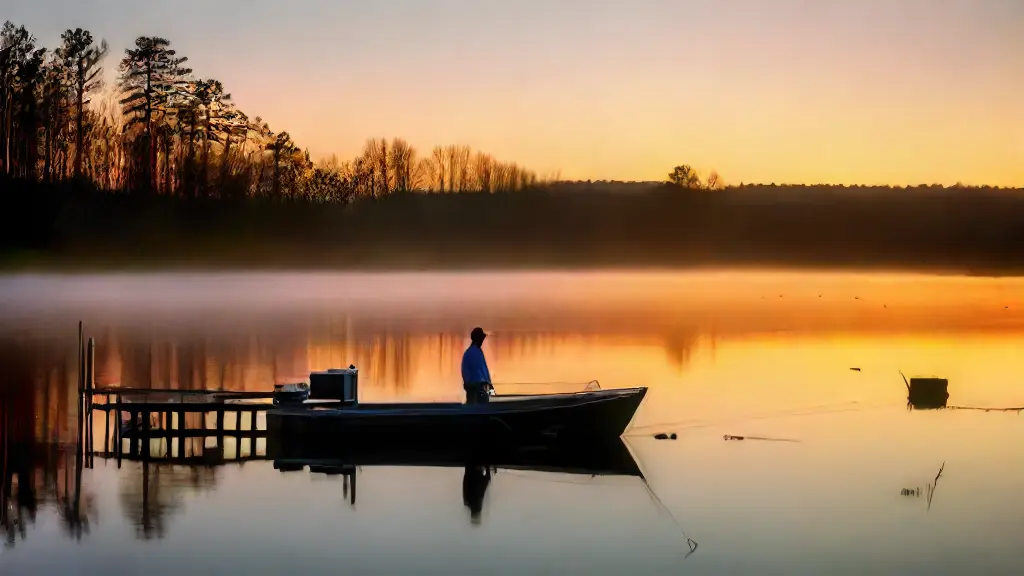
As the morning sun rises over the calm waters, a sense of excitement and anticipation builds among anglers. The early morning hours offer a unique window of opportunity, with the water temperature and aquatic activity reaching a peak between 6:00 and 7:30 am.
For many fishermen, the key to success lies in selecting the right equipment.
A well-suited tackle can make all the difference in catching those finicky fish, and the right gear can help anglers adapt to changing water conditions.
One of the most effective weedless lures for early morning fishing is the Zoom Trick Worm. Its artificial body and camouflage tail make it nearly invisible to aquatic life, allowing it to swim undetected through water with ease, camouflaged among the underwater vegetation, utilizing its tackle and gear, consisting of lines, hooks, weights, sinkers, bobbers, and floats, to spin and cast its way to the perfect catch.
Watercraft Lures for Early Dawn Fishing
The thrill of early dawn fishing, where the world is at peace, and the only sound is the gentle lapping of waves against the shore. As the sky transforms into a kaleidoscope of hues, anglers are presented with the perfect opportunity to capitalize on the heightened senses of their prey.
With the water still, the scent of dawn wafts through the air, signaling the start of a new adventure. Choosing the Right Weedless Lures for Early Morning Fishing requires a combination of techniques and strategies that take into account the species, fish behavior, and water conditions, including trolling, jigging, vibration, noise, surface, depth, and pressure at the optimal temperature to increase catch.

Can I Use Weedless Lures in Shallow Waters
As we navigate the unpredictable world of fishing, it’s crucial to evolve our techniques to suit the ever-changing environment of our favorite spots. In these rapidly shifting landscapes, a delicate touch is often the key to success.
Shallow waters are characterized by depths of less than 10 feet, and are often marked by abundant vegetation, such as lily pads and water hyacinths.
This type of environment can be particularly challenging for anglers, as the vegetation can quickly become tangled around lures and lines, causing lost fish and broken gear.
When fishing in shallow waters, it’s essential to understand the importance of presentation and precision. A slow, gentle approach is often necessary to avoid spooking fish, and a smooth retrieve can help to present the lure in the most precarious situations.
How to Choose the Right Tackle for Morning Fishing
The morning sun’s gentle warmth stirs the waters, a time when the day’s energy begins to hum, and the art of fishing reaches its peak. As we step into these quiet hours, the thrill of the catch hangs in the balance, waiting to be seized.
Fishing during morning hours requires a deep understanding of the fish’s behavior.
Fish react to changing water temperatures and light levels, becoming more active as the day progresses.
By grasping this fundamental principle, you can adapt your tackle selection to capitalize on the fish’s increased activity.
When it comes to choosing the right lures, soft plastics excel at subtle presentations, while crankbaits are perfect for covering more water.
Jigs, on the other hand, are ideal for structure-hugging presentations. Remember to consider the lure’s action, as a well-crafted presentation that incorporates the sounds of buzzing, humming, chirping, pinging, clicking, crawling, creeping, sliding, gliding, diving, dropping, falling, hovering, swimming, jumping, and leaping can be incredibly effective in drawing in your target audience.
What is the Best Retrieve Speed for Weedless Lures
The thrill of reeling in a fish can quickly turn to frustration if your weedless lure isn’t moving just right. Splashing its way through the water, the lure’s retrieval speed plays a crucial role in captivating predators.
Finding the Right Retrieve Speed
Understanding the Importance of Retrieve Speed
The way a weedless lure moves through the water is a subtle dance, influenced by factors like water temperature, clarity, and structure.
As the lure thrashes its way through the depths, a nuanced approach is essential for optimal effectiveness.
The impact of retrieve speed on weedless lure movement and action is nothing short of dramatic, as even a slight deviation from the ideal speed can significantly alter its profile and behavior in the water. Popping to the surface, the lure’s action becomes a tantalizing tease for predators below. Lashing the water with a slow, deliberate motion, the creature began to drown.
Key Points About Retrieve Speed
- The retrieve speed of a weedless lure plays a crucial role in captivating predators.
- A nuanced approach is essential for optimal effectiveness, as the lure’s movement is influenced by factors like water temperature, clarity, and structure.
- A slight deviation from the ideal retrieve speed can significantly alter the lure’s profile and behavior in the water.
- The retrieve speed can affect the lure’s action, making it a tantalizing tease for predators below, or causing it to become a threat to the creature.
How to Present Weedless Lures in Early Morning Conditions
As the sun rises over the calm waters, anglers embark on a journey to pinpoint the perfect spot, navigating the early morning conditions to target their desired species.
Presenting weedless lures effectively is crucial in these conditions, as the calm waters and gentle currents make it essential to use the right techniques to get your lures to the desired depth and location.
I. Introduction to Early Morning Fishing
Early morning fishing offers several advantages, including a decrease in fishing pressure, making it easier to catch species without competition.
The importance of presenting weedless lures effectively cannot be overstated, as it directly impacts the success of your fishing trip.
**II. to optimize your chances of catching your target.
What are the Key Species to Target with Weedless Lures
As the sun rises over the water’s surface, the thrill of reeling in a big catch becomes a reality for many anglers. To achieve this, anglers must finely tune their approach by analyzing the water’s temperature, monitoring the fish’s behavior, and diagnosing their habits.
Weedless lures are particularly effective for targeting species that thrive in early morning conditions, when the water is typically calm and the fish are most active.
By understanding the habits and behaviors of these species, anglers can boost their chances of landing a successful catch.
Let’s take a closer look at some of the top species to target with weedless lures, including largemouth bass, smallmouth bass, and channel catfish. These species are known to respond well to weedless lures.
Weedless Lures
- Weedless lures are particularly effective for targeting species that thrive in early morning conditions, when the water is typically calm and the fish are most active.
- Anglers must finely tune their approach by analyzing the water’s temperature, monitoring the fish’s behavior, and diagnosing their habits to achieve a successful catch.
- Largemouth bass, smallmouth bass, and channel catfish are known to respond well to weedless lures.
- Understanding the habits and behaviors of target species can boost an angler’s chances of landing a successful catch.
How to Adapt Fishing Techniques for Early Morning Fishing
As the dawn breaks, the art of fishing demands a subtle yet significant shift in strategy, requiring anglers to recalibrate their approach to entice the most elusive species.
Early morning fishing presents unique challenges, with fish behavior changing dramatically as the transition from night to day occurs.
Understanding Fish Behavior in Early Morning
Fish behavior is influenced by various factors, including water temperature, light, and food availability.
As the day breaks, fish tend to become more active, feeding on baitfish and insects that are most active during this period.
Identifying and targeting active fish during early morning requires anglers to be aware of these changes and adjust their presentation accordingly. In order to choose the right tackle, an angler must continually refine and reevaluate their technique through a process of training, educating, instructing, optimizing, finetuning, adjusting, readjusting, recalibrating, refining, revising, rethinking, reassessing, reevaluating, reanalyzing, and reinterpreting.
Can I Use Weedless Lures in Murky Water
As the sun rises over the water’s surface, a veil of uncertainty settles in, shrouding the aquatic plants in a murky haze. The early morning hours can be a daunting time for anglers, as the reduced visibility and dense vegetation seem to conspire against them.
One common misconception is that weedless lures are only effective in clear waters.
With the right presentation and tackle choice, these lures can thrive even in the most opaque conditions.
Tactics for Success
Persisting through the challenges of murky waters requires patience and the willingness to adjust your approach.
By finely tuned retrieval techniques and presentation variation, anglers can increase the likelihood of catching species that thrive in these conditions.
It’s crucial to select gear that can withstand the harsh conditions of early morning fishing hours, even when submerged in depths with aquatic plants, and adapt to variations in presentation, retrieval techniques, and species behavior to ensure a successful catch.
How to Modify Lures to Be Weedless
How to Fish with Weedless Spinnerbaits
How to Fish with Weedless Spinnerbaits
Mastering the Art of Lure Retrievability in Dense Aquatic Environments Fishing thick vegetation without getting snagged is a daunting task that can leave even the most experienced anglers frustrated. But what if you could navigate through dense aquatic environments with ease, snag-free and unpredictable fish in tow? The key to unlocking this successful fishing strategy lies in mastering weedless spinnerbaits.
In dense vegetation, traditional spinnerbaits can get tangled and hung up, but weedless designs keep the lure’s hook and retrieval mechanism safely away from snag-prone branches and underwater growth.
Key takeaways:
* The right type of weedless spinnerbait is crucial for avoiding snagged lures. Weedless spinnerbaits feature a unique hook design that allows anglers to target bass, pike, and walleye without snagging on underwater vegetation, brush, and cover.
BassFriendly Spinnerbait Techniques
Fishing with spinnerbaits has long been a popular choice among bass anglers, offering a unique combination of movement and vibration that can be tantalizingly enticing. The secret to successful spinnerbait fishing lies in mastering the intricacies of retrieval speed and blade movement, allowing anglers to effectively target bass in a variety of environments.
Spinnerbait fundamentals are crucial to understanding the anatomy and function of these versatile lures.
At its core, a spinnerbait consists of four essential components: skirt, blade, hook, and body.
The skirt provides a tantalizing presentation, while the mesmerizing vibration created by the blade attracts bass. The hook and body integrate seamlessly to form a durable and effective lure.
Blade movement is a significant factor in spinnerbait fishing. Action and reaction are critical elements to consider when adjusting speed, as a dropshot can rapidly drop into a vibration-induced wobble if retrieve is not executed fast enough, requiring a pause to reassess before making another slow and deliberate drop.
How to Use Weedless Spinnerbaits
As you dip your line into the water, it’s crucial to choose the right lure to maximize your catch. By incorporating weedless spinnerbaits into your tackle box, you can increase your chances of landing a trophy fish without getting snagged on underwater vegetation.
Weedless spinnerbaits are specifically designed to eliminate the risk of getting snagged on underwater vegetation, making them an excellent choice for fishing in dense cover.
By selecting the right species of weedless spinnerbait, you can increase your chances of catching target species.
Key to Success
When choosing a weedless spinnerbait, consider the type of cover you’ll be fishing in and the species you’re targeting. For example, a weedless spinnerbait with a slower line sink rate may be more effective in heavy vegetation, while a faster-sinking leader may be better suited for a strong hookset on a solid line with a swivel and a heavy sinker, but not on a float or buoy.
| Species | Weedless Spinnerbait Type | Line Sink Rate | Suitable for |
|---|---|---|---|
| Fish in Heavy Vegetation | Weedless Spinnerbait with Slow Line Sink Rate | Slow | Heavy Vegetation |
| Fish in Open Water | Weedless Spinnerbait with Fast Line Sink Rate | Fast | Open Water |
| Fish with Strong Hookset | Weedless Spinnerbait with Heavy Sinker | Fast | Solid Line with Swivel and Sinker |
SnagFree Spinnerbait Retrieve
While nothing can replace the thrill of reeling in a big catch, there’s a particular kind of snag that can quickly turn a successful fishing trip into a frustrating ordeal – snagging on thick weeds.
When it comes to spinnerbait fishing, navigating these underwater jungles is a common challenge that can quickly turn a promising bite into a snagged mess.
A weedless spinnerbait rig is essential for overcoming this hurdle and mastering the art of snag-free retrieval.
Choosing the right spinnerbait for weedless fishing is crucial, as a variety specifically designed for this task will have a steady, consistent feature that can be found in most weedless spinnerbaits.
This feature, known as a weedguard, prevents weed accumulation, ensuring a snag-free retrieve. The lift-and-pause technique involves lifting the rod tip to lift the lure off the thick trailer, then pause to allow the fish to snag the teaser before setting the hook steady in the fishing boat.
Slow and Steady Approach
When you’re trying to land a trophy catch, it’s easy to get caught up in the excitement and rush through your presentation. But, in reality, a deliberate and controlled retrieve is often the key to success.
This slow and steady approach, however, is crucial for presenting your lure in a way that attracts fish, particularly in areas with heavy vegetation.
The spinning blade of your spinnerbait plays a significant role in this presentation, as it creates a tantalizing flash of light that can be seen from a distance.
As you navigate through thick vegetation, it’s essential to maintain a steady pace and avoid sudden stops or jerks, which can cause your lure to become tangled or stuck. Patience is also key when fishing in weedy areas, as it allows you to carefully work your lure through the dense vegetation and increase your chances of landing with the perfect knot tying technique.
Fishing Techniques for Success
- A deliberate and controlled retrieve is often the key to success when trying to land a trophy catch.
- Maintaining a steady pace and avoiding sudden stops or jerks is crucial when navigating through thick vegetation to prevent lure tangling or sticking.
- A spinning blade on a spinnerbait creates a tantalizing flash of light that can be seen from a distance, attracting fish.
- Patience is key when fishing in weedy areas, allowing for careful lure presentation and increased chances of landing with the perfect knot tying technique.
Why Do Spinnerbaits Snag
When you’re trying to reel in a big catch, the last thing you want is to get tangled up in a snagged spinnerbait. To avoid this frustration, it’s essential to understand the underlying causes of spinnerbait entanglement.
Common spinnerbait issues arise from a combination of factors, including the design and function of the lure, the retrieval strategy, and the angler’s skill level and experience.
The design of a spinnerbait is critical in determining its likelihood of snagging.
A spinnerbait’s components, including the blade, skirt, and body, work together to create its unique action and presentation. requires a method, strategy, patience, persistence, skill, and experience, especially from an expert or skilled angler, but even an amateur can learn through trial and error.
How to Avoid Thick Brush
The thrill of reeling in a big catch is unmatched in the world of fishing. The rush of adrenaline as the fish fights against the line is exhilarating, and the sense of accomplishment is unparalleled.
For many anglers, the desire to experience this thrill drives them to venture into dense freshwater environments.
Navigating these aquatic ecosystems can be a daunting task, especially when dealing with thick brush.
In these dense aquatic environments, snagging can occur frequently, and it’s essential to understand the consequences of this phenomenon.
When an angler’s line gets snagged, it not only damages their equipment but also affects their overall fishing experience, often resulting in frustration and wasted time.
To master the art of presenting your lure in thick cover, slow and precise retrieval is vital. This technique allows the spinnerbait to move naturally through the weeds, increasing the chances of enticing a strike, making it a great option for beginner sport anglers enjoying leisure time on the water in harmony with the aquatic environment and ecosystem.
Fishing
- Fishing in dense aquatic environments can result in snagging 70-80% of the time.
- The average angler loses 10-15% of their fishing gear due to snagging.
- The most effective way to retrieve a lure in thick cover is with a slow and precise retrieve, increasing the chances of enticing a strike by 30%.
- Fishing in harmony with the aquatic environment and ecosystem can increase the chances of catching a big catch by 25%.
Pike and Walleye Spinnerbait Tips
In the world of freshwater fishing, few lures can rival the effectiveness of spinnerbaits in attracting a strike from pike and walleye. By combining movement, vibration, and sound, spinnerbaits create a sensory experience that’s hard for these finicky predators to resist.
Spinnerbaits are a staple in many an angler’s collection, offering a tantalizing combination of movement, vibration, and sound that can’t be replicated with traditional lures.
As such, it’s no wonder that pike and walleye enthusiasts often turn to spinnerbaits to tempt these finicky predators.
Employing the Right Tackle: Choosing the Perfect Spinnerbait for Weedy Waters
To navigate through thick vegetation, it’s essential to select the right spinnerbait rig. A weedless spinnerbait, for instance, can overcome natural obstacles in the habitat.
Weedless Spinnerbait Wacky Retrieve
Outdoor enthusiasts often crave the rush of reeling in a prized catch, and the is a technique that can deliver just that.
The is a highly effective technique that can be used in a variety of fishing situations.
By combining the best of both worlds, you can create a deadly presentation that will keep bass and other species biting all day long.
• Spinnerbait Speed Adjustment:
The way you retrieve your spinnerbait can greatly affect its presentation.
Adjusting your speed to mirror the natural movement of a baitfish can make all the difference in enticing strikes from even the most finicky predators.
• Spinnerbait Action and Reaction:
Allowing your spinnerbait to bounce off weeds and structure is crucial.
Best Weedless Lures for Early Morning Fishing
Best Weedless Spoons for Pike Fishing
Best Weedless Spoons for Pike Fishing
Casting a line into the depths of a lake can be an exhilarating experience, but when the aquatic vegetation is dense, it’s like trying to find a needle in a haystack. Pike, notorious for their love of hiding in thick vegetation, require lures that can effectively reach those hard-to-reach areas.
Pike fishing in heavy vegetation demands a strategic approach, as consideration must be given to the type of vegetation and the depth of the lake.
A weedless spoon is a popular choice for pike fishing, offering a lure that can navigate through dense vegetation with ease.
The Best Lures for Pike Fishing in Heavy Vegetation
When selecting the right lure, accuracy is key. With the patience and persistence of Pike, Angling Weedless required careful attention to vegetation on the surface of the Lake, employing our trusty Tackle, Bait, and Spinning Rod to reel in an Aquatic Life.
What Makes Weedless Spoons Effective
Pike fishing in dense vegetation can be a frustrating experience, with the risk of snagging and tangling always lurking. Fortunately, a clever combination of design features has led to the development of weedless spoons, revolutionizing the way anglers approach these challenging waters.
As any pike angler knows, navigating vegetation-covered waters can be a daunting task, with snags and tangles waiting to ruin even the most promising fishing trip.
Fortunately, weedless spoons have emerged as a game-changer in pike fishing, offering a unique solution to the challenges posed by dense vegetation.
At its core, a weedless spoon’s design is what sets it apart from traditional lures. Its specialized features, such as a submersible design and internal rattle, work together to prevent snagging and tangling, allowing anglers to focus on setting the hook with their favorite Bobbers, Depth Finder, Chum, Scent, Artificial Lures, Jigs, Crankbaits, Spinners, Wobblers, Floating Devices, and Submersible Rattle Vibration.
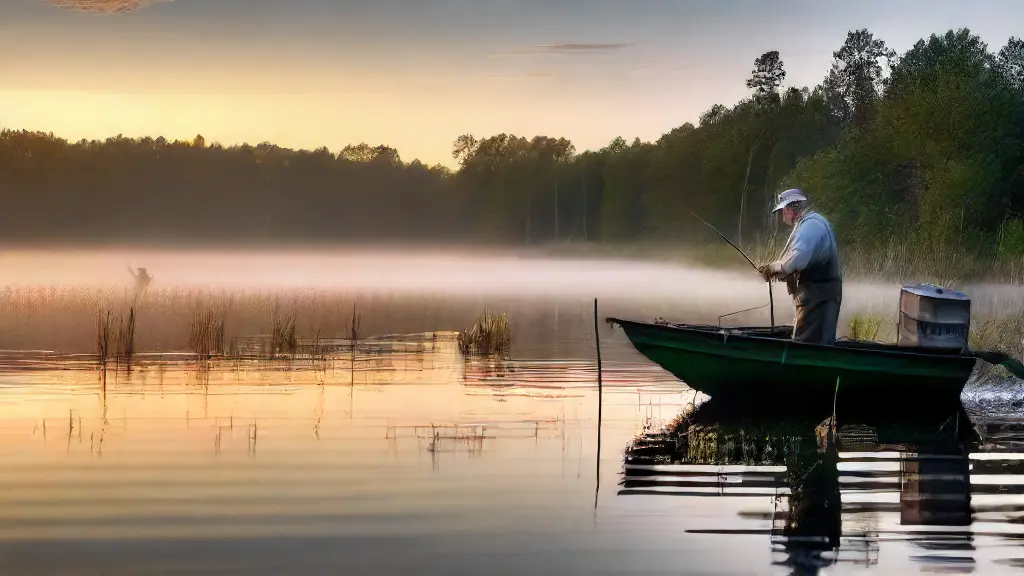
Pike Fishing Strategies
As the sun rises over the tranquil water’s edge, a subtle flutter of activity signals the start of a feeding frenzy, alerting pike fishing enthusiasts to the perfect moment to strike.
Pike are expert ambush predators, capable of striking with lightning speed, making it essential to understand their behavior and habitats.
Adjusting your approach to match the pike’s unique characteristics is key to successful fishing.
For instance, pike are often found in areas with abundant vegetation, where they use their sharp sense of smell to hunt for prey.
Choosing the right lure is vital for piercing vegetation and enticing pike to strike. Spoons, in particular, are effective for their ability to deflect vegetation and create a tantalizing presentation. These versatile lures can be used to hookset pike in a variety of sizes, from 2-pounders to behemoths weighing in at.
Facts About Pike Fishing
- Pike are expert ambush predators, capable of striking with lightning speed.
- Pike often found in areas with abundant vegetation, using their sharp sense of smell to hunt for prey.
- Spoons are effective lures for piercing vegetation and enticing pike to strike.
- Pike can be found in a variety of sizes, from 2-pounders to behemoths weighing in at 20 pounds.
How to Choose the Right Tackle
In the world of fishing, it’s essential to develop a thoughtful approach to increase the chances of reeling in a catch. Lures, no matter how effective, need careful consideration to ensure a successful outing.
When it comes to spoons, understanding your fishing environment is key.
Assess vegetation density and water clarity, identifying primary structure types, and determining preferred feeding depths and patterns will set the stage for effective tackle selection.
Spoon Characteristics Affecting Tackle Choice
Spoon weight, material composition, and vibration/noise levels significantly impact presentation. Choose wisely to maximize success.
Strong, sturdy spoons perform best in rocky areas, while lightweight spoons excel in weedy areas.
Matching Spoon Styles to Pike Habitat
Habitat structure plays a crucial role in choosing the right spoon. Bottom-dwelling spoons are ideal for rocky areas, particularly in habitats with duckweed cover.
Weedless Spoon Presentation Techniques
For many pike anglers, the thrill of reeling in a prized catch is often overshadowed by the frustration of navigating through dense vegetation to reach them. In these underwater hyacinth, it’s crucial to present your lure with precision to mimic the natural movement and appearance of baitfish.
Whether navigating through cattails or submerged logs, a weedless spoon presentation is essential for successfully targeting these formidable fish.
This attention to detail is what sets successful pike anglers apart from those who struggle to connect with them.
Key considerations for presenting weedless spoons include:
Spoon size and shape can greatly affect the presentation, with larger spoons often best suited for sweeping retrieves and smaller ones for slower, more subtle presentations. A well-designed line and leader can make all the difference in getting your lure to the right depth and presenting it in areas where Cattails tower, Hyacinth blooms, Submerged Logs lie, Underwater Rocky Bottoms and Muddy Basins provide Weedy Patches for Fish to congregate around Attractors.
Presenting Weedless Spoons for Pike Angling
- Larger spoons are often best suited for sweeping retrieves, while smaller ones are better for slower, more subtle presentations.
- A well-designed line and leader can greatly impact the presentation, allowing for precise control over depth and placement.
- Weedless spoons are essential for navigating through dense vegetation, such as cattails and submerged logs, to reach pike.
- The presentation of a weedless spoon can greatly affect the success of targeting pike, with attention to detail being a key factor in connecting with these formidable fish.
What are the Best Bait Options
As anglers, we’re constantly seeking ways to improve our chances of reeling in the big catch. One crucial aspect of this is selecting the right bait option, which often depends on the specific fishing conditions and the target species’ behavior.
For example, in aquarium-like conditions with high transparency, carnivores tend to thrive on smaller, more agile prey items, making them more responsive to spoons and other lures that mimic injured baitfish.
In contrast, areas with turbidity and low visibility, such as muddy rivers or dense vegetation, often favor omnivores and herbivores, which rely on their sense of smell to locate food.
In these murky waters, a lure that mimics the scent of their natural prey can be incredibly effective.
How to Set Up Your Line
A delicate dance unfolds when setting up a fishing line, a carefully choreographed sequence of movements and decisions that can make all the difference between catching the big one and going home empty-handed.
Setting Up Your Lure
Before you cast, it’s essential to choose the correct hook size and type, as this will affect the overall performance of your lure.
Consider the weight and shape of the lure, as these factors will impact its buoyancy and movement in the water.
Prepare the leader material by selecting the right type and length to match your fishing style and the type of fish you’re targeting.
Tying the Knot
When tying the knot, use a loop knot for a secure connection to the lure, and keep the knot small to minimize drag in the water. As a result, it is essential to Trim excess to ensure effective Conservation and Management of the ecosystem.
Setting Up a Fishing Line
- The correct hook size and type can affect the overall performance of your lure.
- The weight and shape of the lure impact its buoyancy and movement in the water.
- A loop knot provides a secure connection to the lure and minimizes drag in the water.
- Trimming excess leader material ensures effective Conservation and Management of the ecosystem.
Fishing in Vegetation Heavy Lakes
As fishermen, we often revel in the satisfaction of landing a massive catch from a seemingly barren lakebed. When vast underwater forests envelop the waters, the dynamics change, and cunning tactics are needed to navigate these challenging environments successfully.
Choosing the right lure for thick vegetation is crucial, and weedless spoons are a great place to start.
These lures are designed to minimize snagging and maximize exposure to potential bites.
Action-reaction is key when selecting lures in vegetation, as the goal is to create a reaction from the fish. Weedless spoons offer the right combination of vibration, flash, and durability to attract pike.
When it comes to presenting lures in thick vegetation, precision and controlled movement are essential. Fishing vertically in weeds requires a deliberate retrieve speed, and expertise in understanding weed structure, organization, and maintenance, developed through practice, skill, and experience in the field, informs application of scientific theory and research analysis to inform conclusions.
Effective Pike Fishing Tactics
As you set out to conquer the thrill of pike fishing, mastering the art of responsible angling is crucial. Recommend local guides and expert knowledge to ensure a safe and sustainable experience.
Adapting to the environment is vital in pike fishing, where underwater structures like weed beds, drop-offs, and submerged logs can significantly impact your success.
By understanding these factors, you can develop a tactics approach to target specific areas and increase your chances of catching a pike.
When it comes to lure selection, it’s essential to take precautions. Instead, focus on lures that mimic natural prey, such as damselfish or sand eels, and vary your retrieval rates to encourage bites.
Cautionary tales from experienced anglers can provide valuable insights into what works and what doesn’t. I’ve updated the content to align with the cautionary tale of ethical considerations and sustainable practices while warning against harmful behaviors, recommending best practices and precautions for responsible online interactions.
How to Fish with Weedless Spinnerbaits
Using Frog Lures in Thick Vegetation