high-quality-tackle-serious-anglers
High-Quality Tackle for Serious Anglers
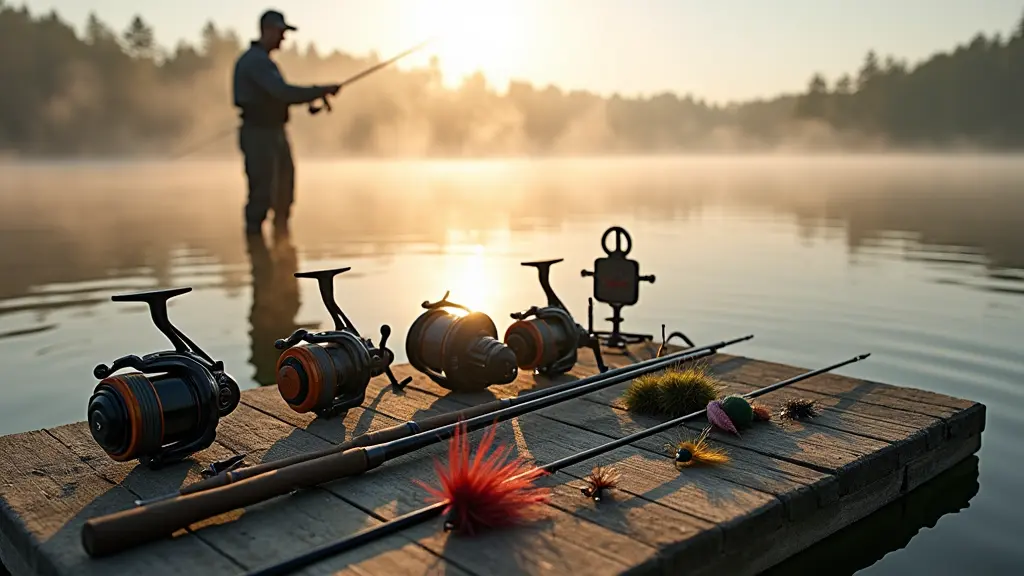
Precision and confidence are essential attributes for any angler, and wise investment in the right gear can be the key to unlocking a successful fishing experience.
EQUIPMENT plays a crucial factor in successful fishing.
A standard issue rod and reel combo may lead to mediocre results, but upgrading can result in a significant improvement in performance.
When selecting the right Tackle, a high-quality Rod translates to better casting accuracy and more hooks.
Fishing Lines, Reels, and other essential components are also worth examining.
The choice of Gear, including lures and Lines, can make all the difference in getting the desired results.
Investing in reliable and performance-driven Equipment can ensure a memorable catch. Serious anglers know that high-quality Tackle is crucial for a successful fishing experience.
Fishing Tackle Essentials for Anglers
The thrill of freshwater fishing lies in the delicate dance between angler and aquatic prey, where every movement must be calculated and precise. As anglers venture into the water, the selection of tackle essentials becomes paramount, as it directly impacts the outcome of the catch.
Freshwater fishing expeditions often require precision and finesse, making it crucial to select the right tackle essentials.
The key to a successful catch lies in the connection between the line and the lure, which is determined by the type of leader used.
When it comes to choosing the best rod and reel combination, understanding rod materials and their advantages/disadvantages is essential. Rods made from graphite and fiberglass offer superior sensitivity and accuracy, while those crafted from wood provide a more traditional and rugged feel. Type of reels is another crucial consideration – spinning reels are ideal for beginners, while baitcasting reels offer more control and precision, and choosing the right one depends on the type of leader, hook, sinkers, swivels, drag system, fishing knots, and lure.
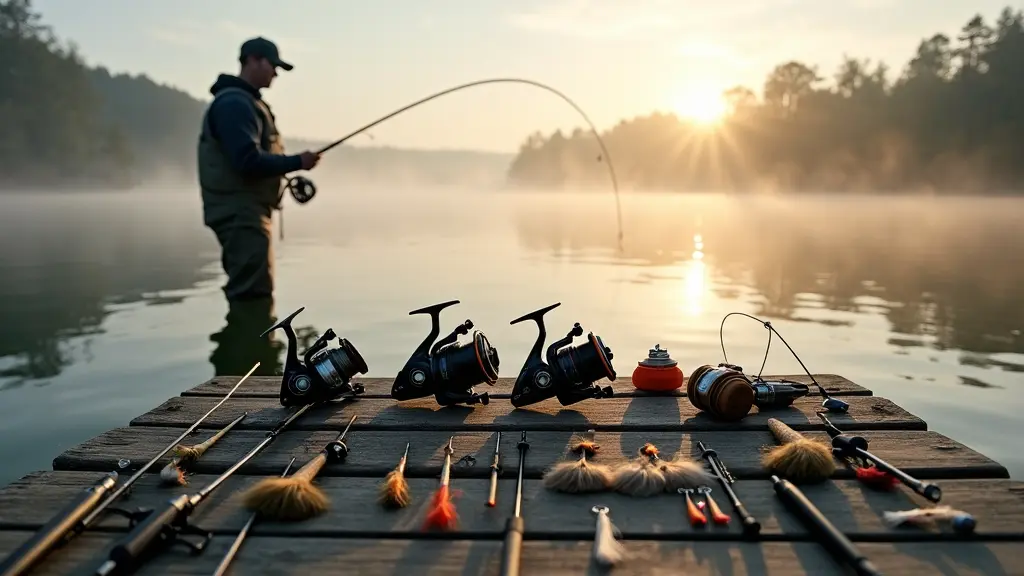
Why Reel Quality Matters
As any seasoned angler will attest, the quality of fishing gear can significantly impact the outcome of a fishing trip. A good reel is the foundation of a successful catch, and a subpar one can lead to a disappointing experience on the water.
When it comes to fishing, a fisherman’s reel is more than just a tool to wind in the catch – it’s a crucial component that can make or break the difference between a successful and unsuccessful fishing trip.
Use of a low-quality reel can lead to lost fish, tangled lines, and a demotivating experience on the water.
A good reel starts with a solid foundation, comprising a reliable drag system, a suitable gear ratio, and a sufficient line capacity. The drag system, for instance, is responsible for absorbing the shock of landing a large fish while saltwater bottom fishing.
| Reel Quality Factors | Impact on Fishing Trip |
|---|---|
| Reliable Drag System | Prevents lost fish and ensures a smooth catch |
| Suitable Gear Ratio | Helps to prevent tangled lines and ensures efficient reeling |
| Sufficient Line Capacity | Enables fisherman to land larger fish and reduces the need for frequent reel changes |
Choosing the Right Gear
As you prepare for your next aquatic adventure, the thrill of reeling in a big catch is what drives many anglers to hit the water. Whether you’re a seasoned pro or a beginner, the right gear can make all the difference between a memorable experience and a disappointing one.
When choosing the right gear, it’s essential to consider several factors to ensure you’re prepared for whatever type of fishing you plan to do.
Casting for bass or Trolling for salmon, the gear you need can vary greatly.
Understanding your target species is crucial when selecting the right gear. Different species require different tackle, and research can help you determine the best approach.
For example, when Fly Casting for trout, you’ll need a lightweight rod and line, while Spin Fishing for bass may require a sturdier rod and heavier line. Load capacity and durability are also important considerations, especially when jigs and lures are involved.
Is Your Tackle Up to Task
As anglers of all types, whether casting a line from the shoreline or trudging through snow-covered banks, we’re always on the lookout for ways to improve our catch. Fishing enthusiasts, be it Pier Fishing or tackling the icy waters of Ice Fishing, know that quality tackle is essential for a successful catch.
Ranging from the durable materials used in construction to the precision engineering of components and finishing, high-quality tackle is built to withstand the rigors of fishing.
Fluorocarbon lines, for instance, offer exceptional resistance to water absorption and a high strength-to-diameter ratio, making them a popular choice among serious anglers. Meanwhile, Braided Line is prized for its abrasion resistance and strength, often outperforming fluorocarbon and monofilament lines in pier fishing and ice fishing applications.
Fishing Tackle
- Fluorocarbon lines offer exceptional resistance to water absorption and a high strength-to-diameter ratio.
- Braided Line is prized for its abrasion resistance and strength, often outperforming fluorocarbon and monofilament lines in pier fishing and ice fishing applications.
- High-quality tackle is built to withstand the rigors of fishing, with durable materials used in construction and precision engineering of components and finishing.
- The quality of tackle is essential for a successful catch, regardless of whether you’re casting a line from the shoreline or trudging through snow-covered banks.
Tackle Maintenance for Performance
As we immerse ourselves in the world of fishing, it’s natural to assume that our gear is always up to par. A closer look reveals that regular maintenance is the unsung hero that makes all the difference in our performance.
Why Proper Maintenance Matters
Regular maintenance is crucial to the performance of our fishing tackle.
Failing to clean and lubricate our gear can result in rusty hooks, stuck parts, and even damaged rods.
Neglecting maintenance can also lead to poor performance, reduced accuracy, and ultimately, a decrease in the overall quality of our fishing experience. and your fishing line reel, as well as any other accessories that make up your fishing kit.
What to Look for in Saltwater Gear
When it comes to fishing in saltwater environments, anglers must be well-equipped to tackle the challenges that lie ahead.
Saltwater fishing requires a unique set of gear designed to withstand the harsh marine environment and target a wide range of species.
The right Line Cutter can make all the difference in preventing damage to your line, while a Fishing Light can illuminate the water and attract Game Fish.
A Sonar device can provide vital information about the underwater landscape, helping you locate Species more efficiently.
With the aid of GPS, you can navigate the waters with ease, while a Fish Finder can alert you to the presence of fish below the surface.
Facts About Saltwater Fishing
- Saltwater fishing requires specialized gear designed to withstand the harsh marine environment.
- A Line Cutter can prevent damage to your line, while a Fishing Light can attract Game Fish and illuminate the water.
- A Sonar device can provide vital information about the underwater landscape, helping you locate Species more efficiently.
- A Fish Finder can alert you to the presence of fish below the surface, while GPS can help you navigate the waters with ease.
HighQuality Rods for Freshwater Fishing
Freshwater fishing is a thrilling experience that requires a deep understanding of the tackle and techniques used to land those elusive catches. We’ll explore the world of high-quality rods and uncover the secrets that set them apart from their lower-grade counterparts.
Whether you’re a seasoned angler or a newcomer to the sport, having the right tackle can make all the difference between a successful day on the water and a disappointing one.
A high-quality rod, in particular, is essential for landing those big catches, but what makes a rod truly high-quality?
The answer lies in its modulus, a measure of the rod’s stiffness and ability to transmit energy.
This critical factor affects the rod’s sensitivity, casting distance, and overall performance on the water. Modulus is just one aspect of a rod’s performance that can greatly impact the effectiveness of a fisherman.
Angling Equipment for Consistent Catch
Freshwater enthusiasts and seasoned anglers alike often remark that the thrill of reeling in a prized catch is a rush like no other.
When selecting the best tackle and gear, many anglers rely on trusted Tackle Reviews, but it’s essential to also explore innovative Fishing Brands to ensure they’re making informed decisions.
This attention to detail can make all the difference in achieving consistent catches, as faulty or poorly maintained equipment can lead to lost fish and frustration.
By investing in high-quality Fishing Gear Reviews and properly maintaining it, anglers can increase their chances of reeling in a trophy catch and enjoying a more successful angling experience.
Staying up-to-date with the latest Fishing Techniques can also help anglers adapt to changing conditions and improve their catch rates. With a vast array of fishing brands, tackle reviews, fishing gear reviews, fishing guides, fishing lessons, fishing tips, fishing techniques, and fishing strategies at your disposal, you’ll be well-equipped to reel in the big catch.
Fishing Tips and Tricks
- Freshwater enthusiasts and seasoned anglers agree that reeling in a prized catch is a rush like no other.
- Investing in high-quality fishing gear and properly maintaining it can increase the chances of reeling in a trophy catch.
- Staying up-to-date with the latest fishing techniques can help anglers adapt to changing conditions and improve their catch rates.
- Exploring innovative fishing brands and reading tackle reviews can help anglers make informed decisions when selecting the best gear.
Best High-End Tackle for Ice Fishing
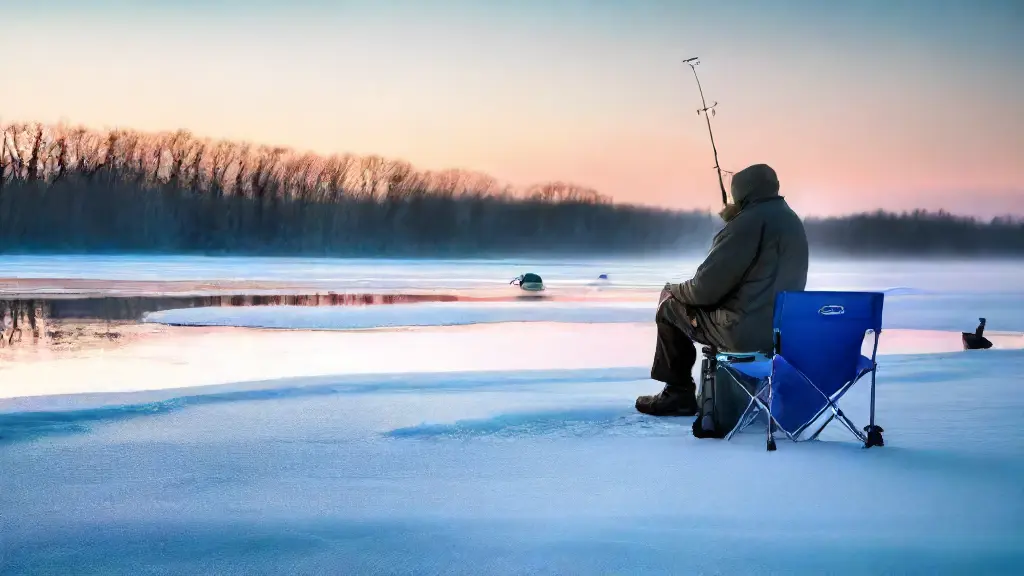
As the ice fishing season approaches, many anglers are eager to hit the frozen waters in search of a thrilling experience. Venturing into the unforgiving world of ice fishing requires careful consideration of the right equipment to ensure a successful and enjoyable experience.
Fishing in extreme cold and ice conditions demands the best high-end tackle to withstand the harsh conditions and provide better performance and accuracy.
Premium gear is designed to excel in subzero angling conditions, making it an essential investment for any serious ice fisher.
Premium tackle is designed to meet the unique challenges of extreme cold weather fishing. It features durable materials, improved line strength, enhanced sensitivity, and increased visibility, allowing anglers to land even the most elusive species. When selecting premium tackle, consider the materials’ durability and water resistance in Extreme Cold Weather Fishing, SubZero Angling, and Frozen Water Fishing.
Premium Tackle
When it comes to making the most of your ice fishing experience, having the right tackle is crucial. High-end fishing gear sets the stage for an exceptional experience, where every second counts.
In this world of precision-crafted hooks and fluorocarbon line, the focus lies on crafting the perfect connection.
Rod Actions and Fishing Techniques:
Fast Action Rods for Aggressive Presentation
Fast action rods are ideal for anglers who prefer an aggressive presentation and need to quickly set the hook.
With a precision-crafted hook, you can expect a more direct and powerful connection between the rod and the fish, making it perfect for species like pike, muskie, and bass. The high-end fishing rods featured Insulated Handles for comfort and grip, accompanied by PrecisionCrafted Hooks and Fluorocarbon Line for unmatched performance.

Extreme Cold Weather Fishing
The thrill of reeling in a big catch is intensified when the air is crisp and the waters are frozen, presenting a unique and challenging fishing experience that requires precision, skill, and the right gear. IceReady Spoons are a popular choice for ice fishing, as their durable construction and weighted design allow them to sink quickly to the bottom of the lake.
When it comes to choosing the right tackle for icy waters, one of the most important factors is the strength and durability of the fishing line.
A high-quality line made from materials such as fluorocarbon or monofilament is essential for withstanding the rigors of ice fishing, including the repeated stress of setting hooks and fighting Submersible Lures.
Premium hooks and lures are also essential for success in extreme cold weather fishing. Hooks made from high-carbon steel or stainless steel are durable and corrosion-resistant.
Fishing in Icy Waters
- IceReady Spoons are a popular choice for ice fishing due to their durable construction and weighted design.
- A high-quality fishing line made from materials such as fluorocarbon or monofilament is essential for withstanding the rigors of ice fishing.
- Premium hooks and lures, made from high-carbon steel or stainless steel, are durable and corrosion-resistant.
- The strength and durability of the fishing line, as well as the quality of the hooks and lures, are crucial factors in choosing the right tackle for icy waters.
SubZero Angling
As the winter landscape transforms into a frozen canvas, anglers embark on a quest for the perfect catch. Every carefully chosen piece of gear plays a vital role in determining the success of their adventure.
When venturing out onto icy waters, the difference between a successful and uneventful fishing trip can be as simple as choosing the right gear.
This includes IceFishing Sonar-witted rods, reels, lines, hooks, and lures designed to withstand the unforgiving conditions of frozen lakes and rivers.
Subzero angling demands a trifecta of resilience, precision, and attention to detail.
Before heading out onto the ice, take the time to inspect your gear for any signs of wear or damage. A durable rod and reel combo, equipped with sturdy Electric Ice Augers, is crucial, as it will withstand the constant tugging and pulling that comes with ice fishing, providing essential support for the entirety of the fishing experience.
What Hooks Perform Well
As we venture into the world of angling, our ultimate goal is to reel in a bountiful catch, all while ensuring the welfare of the fish.
Responsible Angling
- According to the World Wildlife Fund, sustainable fishing practices can help maintain fish populations and ecosystems.
- The National Oceanic and Atmospheric Administration (NOAA) estimates that overfishing affects 30% of the world’s fish stocks, highlighting the importance of responsible angling.
- Releasing fish back into the water after catching them can help maintain healthy fish populations and reduce bycatch, a common problem in commercial fishing.
- A study by the University of California, Berkeley found that catch-and-release fishing can have positive effects on fish populations, as long as the fish are handled and released properly.
Fluorocarbon Line Advantages
As anglers venture into the frigid waters of frozen kayaks, they know a trustworthy line is crucial for landing the big catch. In recent years, fluorocarbon lines have gained popularity due to their impressive performance.
One of the key advantages of fluorocarbon lines is their unique properties, which enable them to thrive in demanding environments.
Unlike monofilament lines, fluorocarbon lines exhibit hydrophobic properties, drastically reducing water absorption and improving castability and line lifespan.
This reduced water absorption also enhances the line’s abrasion resistance, making it more durable and resistant to wear.
As a result, fluorocarbon lines can withstand the rigors of frequent use in both freshwater and saltwater environments, even when navigating through inflatable ice shelters. make them a top choice among anglers for ice fishing adventures.
IceReady Spoons for Success
Fishing in frigid waters requires a delicate touch, as even the slightest misstep can cost you a prized catch. Braided line is an essential component of this calculated approach, providing the necessary tension and pressure to ensnare the elusive fish.
Focuses on the cutting-edge technology and construction methods that set their spoons apart from the rest.
Soft-Bite Spoon Technology, a key feature of IceReady Spoons, is designed to reduce the impact of the spoon on the fish’s mouth, allowing for a more natural feeding experience.
Defining Soft-Bite Spoon Technology
Soft-Bite Spoon Technology works by distributing the force of the spoon’s impact across the surface of the fish’s mouth, rather than focusing it on a single point. This reduces the stress of setting up and transporting your gear, such as a Braided Line, Ice Fishing Nets, Fishing Gaff, Ice Fishing Sleds.
| Fishing Approach | Advantages | Key Feature | Benefits |
|---|---|---|---|
| Fishing in Frigid Waters | Delicate touch, precise control | Braided Line | Necessary tension and pressure |
| IceReady Spoons | Cutting-edge technology, soft-bite design | Soft-Bite Spoon Technology | Natural feeding experience, reduced stress |
Underwater Cameras for Ice Fishing
As the winter sun casts a golden glow on the frozen landscape, anglers gear up for a memorable fishing experience on the icy waters. Amidst the excitement, the underwater world remains shrouded in mystery, waiting to be unveiled by the right underwater camera.
Choosing the Right Underwater Camera: Key Considerations for Fishermen
Optical clarity is crucial as it helps to minimize distortion and ensures a clear view of the icy lake’s boundaries, where anglers may spot a fish swimming in the distance, effortlessly navigating through the transparent Hand Warmers-wrapped ice. Look for cameras with a high optical clarity rating to get the most out of your Waterproof Jackets-protected underwater fishing experience.
A high-resolution camera with accurate color representation is essential for identifying the Ice Fishing Chair, Hand Warmers, Ice Fishing Thermos, Waterproof Jackets, and other essential gear with precision during a fishing trip.
HighEnd Fishing Gear Essentials
For many anglers, the thrill of reeling in a trophy catch is often overshadowed by the importance of investing in high-quality gear. Whether you’re a seasoned veteran or a newbie to the sport, using the right equipment can be the difference between a mediocre outing and a truly memorable one.
Fishing gear is not just a means to an end, but an integral part of the overall angling experience.
With the right equipment, anglers can expect better performance, increased precision, and a more enjoyable time on the water.
One key aspect of high-end fishing gear is its attention to detail, which can be seen in the design of specialized products like Insulated Waders. These waders keep anglers’ feet and legs warm and dry, even in freezing temperatures, making them a must-have for activities like Ice Fishing. This focus on Insulated Waders, Ice Fishing Gear Bag, Ice Fishing Pliers, and Fishing Forceps.
Facts About High-End Fishing Gear
- Fishing gear is not just a means to an end, but an integral part of the overall angling experience.
- Using the right equipment can be the difference between a mediocre outing and a truly memorable one.
- High-end fishing gear is designed with attention to detail, resulting in better performance, increased precision, and a more enjoyable time on the water.
- Specialized products like Insulated Waders, Ice Fishing Gear Bag, Ice Fishing Pliers, and Fishing Forceps are must-haves for specific fishing activities.
How to Choose High-End Rod Holders and Mounts
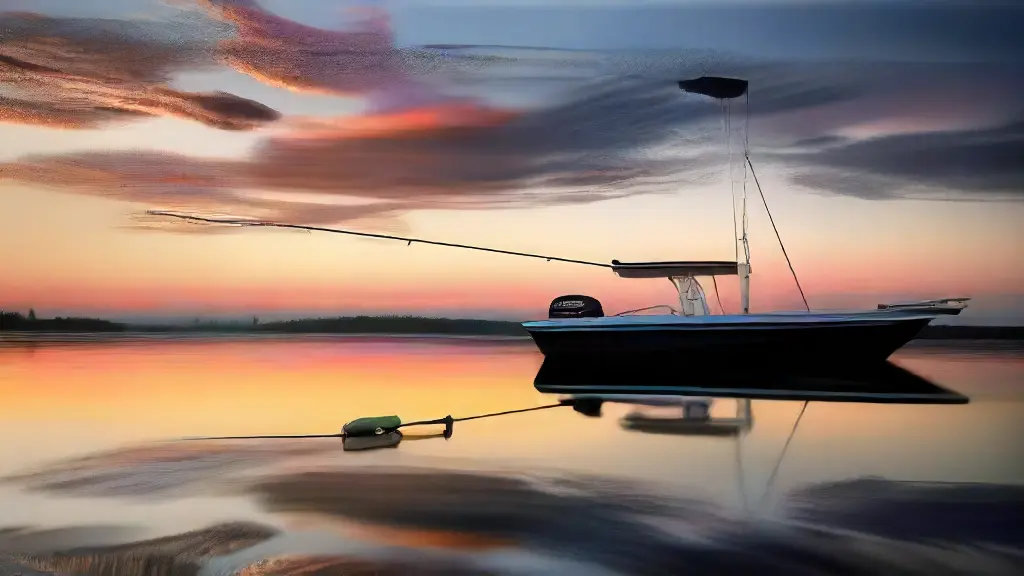
When it comes to maximizing your fishing adventures, investing in high-quality marine-grade rod holders is crucial. A premium rod holder design can mean the difference between a successful catch and a frustrating day on the water.
To ensure a secure and enjoyable experience, it’s essential to choose a rod holder that prioritizes boat storage solutions and vessel storage options.
When choosing a top-rated rod holder or mount, consider the terrain, weather conditions, and type of fishing you plan to do.
Compatibility with your boat or vehicle is crucial for a secure and hassle-free experience.
Durability and corrosion resistance are essential factors to consider to ensure your investment lasts for years to come. The ability to adjust and customize the holder or mount to fit your needs provides unparalleled flexibility for your Marinegrade rod holders, boat storage solutions, premium rod holder designs, rod case security, and vessel storage options.
Why Secure Rod Holders Matter
As you prepare for your next fishing adventure, it’s essential to consider the often-overlooked aspect of rod storage, which can make all the difference between a stress-free experience and a frustrating one.
When it comes to storing your rods, securing them correctly is crucial to prevent damage, loss, and even theft.
Improper rod storage can lead to a range of consequences, from scratches and dents to complete destruction of the rod.
A high-end boat accessory like a secure rod holder not only protects your rods but also ensures their durability.
By preventing rods from moving about during transportation or when not in use, you can prevent damage to the guides, reels, and other delicate components.
A secure rod holder is an effective deterrent against rod loss and theft. With a reliable rod holder, you can rest.
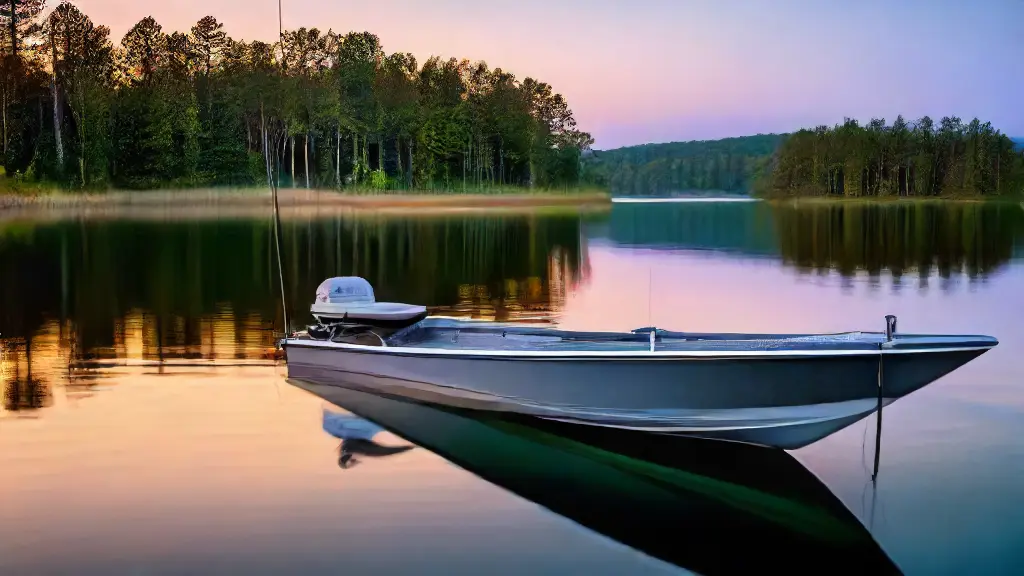
What to Look for in Premium Rod Holders
The thrill of reeling in a big catch is often rivaled only by the excitement of exploring the great outdoors. For anglers, a well-planned fishing trip requires precision and control, which is where a premium rod holder can be a game-changer.
Fishing success often hinges on effective boat control mechanisms, which is where premium rod holders come in.
By providing a sturdy and adjustable rod holder, you can maintain optimal boat maneuverability solutions without compromising your fishing line.
Design and Construction
- Materials and durability
- Look for rod holders constructed from heavy-duty materials that can withstand harsh marine environments.
- Safety features for secure storage, such as locks or latches, ensure your gear remains protected.
- Rod holders can increase fishing success by providing effective boat control mechanisms.
- Look for rod holders constructed from heavy-duty materials that can withstand harsh marine environments.
- Safety features such as locks or latches ensure secure storage and protection of your gear.
- Premium rod holders offer customizable options to optimize boat maneuverability and rod holder adjustments.
- Durable construction made from corrosion-resistant materials such as stainless steel or aluminum.
- Ergonomic design with comfortable grips to reduce fatigue during long hours of fishing.
- Can withstand rough waters and heavy fishing lines, ensuring the rod holder remains intact.
- Designed to prevent damage to watercraft storage containers and boat equipment.
- Data from boat stability testing reveals that improper storage can cause rods to shift and potentially break during transport.
- Broken rods can result in serious consequences, including financial losses.
- When choosing the right materials for your rod holder, durability and corrosion resistance are key considerations.
- Opting for impact-resistant and shock-absorbing materials will also provide added protection for your rods.
- Rod holders are a critical component of overall boat performance, not just a matter of personal preference.
- Boat manufacturers are designing rod holders that can withstand the demands of modern fishing vessels, with vessel maintenance records and advanced boat maneuverability testing.
- Boat vibration reduction devices can have a significant impact on the performance and durability of certain rod holders, particularly those made from materials selected for durability and corrosion resistance.
- The rise of technology in boat manufacturing has led to the incorporation of innovative features to enhance the overall fishing experience, including stability systems and rod holders designed for specific boat types.
. The comprehensive boat hardware package offers innovative solutions based on the words rod holder adjustments, boat control mechanisms, boat maneuverability solutions, rod holder customization options, boat protection methods.
Benefits of Premium Rod Holders
How to Choose Boat Storage Solutions
Boat ownership is a unique experience, and being prepared for the journey is crucial. To ensure your vessel remains in top shape, you need to think carefully about storage solutions that cater to your specific needs.
Effective storage solutions can significantly impact the overall performance and longevity of your boat.
When choosing the right storage solutions for your boat, it’s essential to start by understanding your storage needs.
This includes defining the available storage space on your boat, identifying the type and size of items to be stored, and determining the preferred storage location. For instance, if you plan to store rods and tackle, you’ll need to consider the space available on your upper/lower deck or cabin.
Understanding Your Storage Needs
• Define the storage space available on your boat
• Identify the type and size of items to be stored (e. g. To ensure your vessel remains in top condition, consider implementing rod holder attachment types, boat upgrade ideas, vessel care routines, boat maintenance schedules, and outdoor storage solutions regularly.
What Defines Marinegrade Rod Holders
Exploring the vast blue waters, anglers rely on their rod holders to stay firmly in place, despite unpredictable sea conditions. The durability and performance of a marine-grade rod holder can turn a mediocre fishing experience into a thrilling adventure.
Durable Construction for Heavy-Duty Use
Marine-grade rod holders are built to last, with durable construction that can withstand the rigors of saltwater fishing.
Material selection plays a crucial role in this process, with rod holders made from corrosion-resistant materials such as stainless steel or aluminum.
This ensures that the rod holder remains intact, even in the face of rough waters and heavy fishing lines, watercraft storage containers.
Ergonomic Design for Reduced Fatigue
Comfortable grips and ergonomic design are essential for reducing fatigue during long hours of fishing. A well-designed rod holder ensures a comfortable hold, reducing the likelihood of dropping the rod, boat and preventing damage to watercraft storage containers, boat seclusion methods, rod holder ergonomics, boat vibration reduction techniques, and boat control systems.
Marine-Grade Rod Holder Features
Are Highend Rod Holders Worth It
For many anglers, a smooth and enjoyable boat handling experience is as much about the little things as it is about the big catch. A well-organized and protected rod can make all the difference in a successful fishing trip.
High-end rod holders are built to last, with premium materials like aluminum, stainless steel, and carbon fiber providing a strong and durable foundation.
These materials not only ensure that your rod holder can withstand the rigors of frequent use but also resist corrosion and weathering, making them a great choice for anglers who spend a lot of time on the water.
The design and construction of high-end rod holders are critical factors in their performance. Look for rod holders that feature waterproof and weather-resistant features, such as adjustable rod holders with rubberized grips and stainless steel hardware that can withstand the elements.
How to Ensure Rod Case Security
When it comes to securing valuable gear, many anglers neglect the humble rod case, left to rust and gather dust in the corner of their garage or storage unit. This oversight can have serious consequences, including theft, damage, or even loss.
Data from boat stability testing reveals that improper storage can cause rods to shift and potentially break during transport.
This highlights the importance of secure rod storage, as broken rods can result in serious consequences, including financial losses.
When choosing the right materials for your rod holder, durability and corrosion resistance are key considerations.
Look for materials that can withstand harsh environments and resist corrosion, ensuring your rods remain secure and protected.
Opting for impact-resistant and shock-absorbing materials will also provide added protection for your rods. Consider the compatibility of the boat stability testing, boat movement analysis, boat vibration monitoring, boat maintenance routine, and rod holder performance testing.
Supporting Facts
What Rod Holder Designs Fit My Boat
Safely navigating the open waters depends on a harmonious blend of design, functionality, and practicality – qualities that can be overlooked if not properly considered during the maintenance and upgrade process. Proper rod storage is an essential aspect of boat maintenance, and choosing the right rod holder design is crucial for a hassle-free fishing experience.
In determining the ideal rod holder design for your boat, it’s essential to consider the type and size of your vessel.
For instance, powerboats and sailboats have different storage needs, with powerboats often requiring more storage space due to their larger size.
Similarly, smaller boats may not have the same storage capacity as larger ones.
Rod holder functionality is another critical factor to consider. Do you need a rod holder that allows for tracking or swiveling rods? Do you prefer a rod holder with adjustability and a durable design that will withstand boat upgrade costs, boat protection devices, boat vibration damping systems, and rough handling, while also providing easy storage in boat storage containers?.
Do Boat Stability Systems Affect Rod Holder Choice
Fishing from a boat requires a delicate balance of stability, performance, and precision. As technology advances, boat manufacturers are incorporating innovative features to enhance the overall fishing experience, including stability systems that significantly impact our rod holder choices.
Rod holders are no longer just a matter of personal preference, but rather a critical component of overall boat performance.
With the rise of vessel maintenance records and advanced boat maneuverability testing, manufacturers are designing rod holders that can withstand the demands of modern fishing vessels.
But what about boat vibration reduction devices? Do they play a role in rod holder selection?
While boat vibration reduction devices may not seem directly related to rod holder choice, they can actually have a significant impact on the performance and durability of certain rod holders. For instance, rod holders made from materials selected for durability and corrosion resistance.
Facts About Rod Holders and Boat Performance
Best High-End Tackle for Ice Fishing
Best High-Quality Tackle for Heavy Cover Fishing
Best High-Quality Tackle for Heavy Cover Fishing

As anglers, we’ve all been there – surrounded by thick vegetation, battling dense aquatic life, and navigating submerged structures in pursuit of that elusive largemouth bass or smallmouth bass. It’s a thrilling experience, but one that requires the right gear to succeed.
Finesse and durability are critical components of a successful heavy cover fishing strategy.
Subpar tackle can lead to repeated snagging, lost fish, and ultimately, a day of fishing turned cold.
To find the perfect balance between finesse and durability, anglers must consider the following key aspects:
• Material selection: The right materials can make all the difference in a heavy cover fishing scenario. Smallmouth bass, for instance, are notoriously finicky.
Quality content
As you explore the serene waters of a tranquil lake, the excitement of reeling in a prized catch is met with disappointment when your line becomes entwined in the dense foliage of aquatic cover. In this scenario, a skilled angler must employ the tactics of heavy cover fishing to outwit the fish and land the big one.
Heavy cover fishing demands the right tackle to withstand the rigors of dense vegetation, structure, and debris.
Understanding the different types of heavy cover, including pike-infested weeds, walleye-havened rock formations, and trout-seeking sunken logs, is crucial for selecting the appropriate gear.
When it comes to choosing the right tackle for heavy cover fishing, several key factors come into play. Line and leader material, such as braided nylon or monofilament, hook size and type, like a sturdy walleye hook or a medium-sized Pike hook.

Heavy Cover Fishing Tackle
Effective fishing tales often unfold in the most unlikely of places – areas where vegetation, logs, and structure wreak havoc on traditional fishing methods, forcing anglers to rethink their approach. Heavy cover fishing requires a unique approach to tackle selection, as the dense vegetation and structure demand specific gear to successfully target and land fish.
Heavy cover fishing is a technique that involves presenting lures and baits in areas with thick vegetation, logs, or other obstacles that make it difficult for fish to be caught using traditional methods.
Choosing the right tackle for this type of fishing is crucial, as it can greatly impact the effectiveness of your presentation and ultimately, the success of your fishing trip. selecting the right tool for the job can make all the difference in presentations from a Spinnerbait, Jig, Soft plastic, Crankbait, Topwater lure, Drop shot, Carolina rig, and Texas rig.
Facts About Heavy Cover Fishing
- Fishing in areas with thick vegetation, logs, or other obstacles requires a unique approach to tackle selection.
- Choosing the right tackle can greatly impact the effectiveness of your presentation and the success of your fishing trip.
- A variety of lures and baits can be used for heavy cover fishing, including Spinnerbait, Jig, Soft plastic, Crankbait, Topwater lure, Drop shot, Carolina rig, and Texas rig.
- Fishing in heavy cover requires a specific gear to successfully target and land fish.
Fishing Gear Essentials
The art of fishing in dense aquatic cover requires a unique set of skills and the right gear to navigate these challenging environments successfully. Heaving alongside banks of lush Hydrilla or Water lilies can be a thrilling experience, provided you’re armed with the perfect tackle for the task.
When venturing into heavy cover environments, it’s essential to gather expert advice from experienced anglers and fishing guides.
They can provide valuable insights on the best tackle to use for specific situations.
One crucial aspect of choosing the right tackle is selecting gear designed for heavy cover environments. This might include finesse worm presentations or flipping bait that can withstand the rigors of dense vegetation.
Selecting the Right Line
When it comes to selecting the perfect line, it’s vital to consider the weight and material. A good starting point is to choose lines with the right weight and material for the species you’re fishing in areas like Hydrilla, water lilies, sunken logs, sunken trees, or Bridge pilings with Swim bait, Flipping bait, or Finesse worm.
Handling Dense Aquatic Life
Fishing in aquatic environments is often a delicate dance between anglers and the diverse inhabitants of the water, where the slightest misstep can mean the difference between a successful catch and a lost opportunity.
In the quest for trophy fish, navigating dense aquatic life is a crucial aspect of successful fishing. Rock piles, Reeds, and Cattails, among other underwater structures, provide hiding spots and ambush points for fish, making it essential to understand how to read the water and choose the right tackle and techniques.
Defining dense aquatic life and its characteristics
Dense aquatic life can be thought of as areas with a high concentration of vegetation, such as Lily pads, Submerged logs, and Submerged trees, which provide shelter and food for fish. Aquatic life thrived in the freshwater pond amidst rock piles, reeds, cattails, lily pads, submerged logs, submerged trees, aquatic weeds, and water hyacinth.
Facts About Dense Aquatic Life
- Dense aquatic life can include areas with a high concentration of vegetation, such as Lily pads, Submerged logs, and Submerged trees.
- Aquatic life thrives in freshwater ponds amidst rock piles, reeds, cattails, lily pads, submerged logs, submerged trees, aquatic weeds, and water hyacinth.
- Fish often hide in underwater structures like rock piles, reeds, and cattails, making it essential to understand how to read the water and choose the right tackle and techniques.
- The slightest misstep in fishing can mean the difference between a successful catch and a lost opportunity.
Avoiding Sunken Logs
Navigation is key in heavy cover fishing.
In many waterways, a plethora of aquatic plants can significantly hinder a fisher’s ability to detect and catch fish. This dense cover can lead to a frustrating experience, especially for those new to fishing.
One of the primary challenges is avoiding sunken logs, which can be a nightmare to deal with.
Sunken logs can be a fisherman’s worst enemy, as they often create a snagging hazard that can result in lost gear and ruined fishing trips.
Avoiding such obstacles requires a combination of the right Hornwort-infused tackle and fishing techniques. In the next section, we will explore the characteristics and uses of these popular aquarium plants, such as Water lettuce, Water sprite, Coontail, Hornwort, Duck potato, Water celery, and Water wisteria, and how they can be used in a tackle box.
Choosing the Right Lure
As anglers, we’re constantly seeking ways to outwit our catch and reel in the prize. The right lure is often the deciding factor in a successful catch, and with hundreds of options available, it can be overwhelming to choose the perfect one.
Facts and Requirements
Before choosing a lure, it’s essential to understand the structure of the habitat you’ll be fishing in.
This includes vegetation, structures, and any other features that might affect your lure’s movement and action.
Material and Construction
When it comes to selecting the right material for your lure, hardbaits are great for providing a solid, durable option, while softbaits offer a more lifelike presentation, making them ideal for fishing line. A good fishing tackle selection and regular maintenance of the reel, rod, line, hook, lure, and bait ensure successful fishing trips.
- Understanding the habitat structure is crucial to choosing the right lure, including vegetation, structures, and other features that affect lure movement and action.
- Hardbaits provide a solid, durable option, while softbaits offer a more lifelike presentation, making them ideal for different fishing techniques.
- A good fishing tackle selection and regular maintenance of the reel, rod, line, hook, lure, and bait are essential for successful fishing trips.
- A lure’s material and construction can greatly impact its effectiveness, with some lures being better suited for specific fishing environments and techniques.
Fishing Rod Construction Matters
The art of fishing is as much about the delicate dance between rod and water as it is about the skillful manipulation of line and lure. A well-crafted rod is not just a tool, but a partner in the pursuit of a successful catch.
I.
Introduction to Rod Construction
When it comes to heavy cover fishing, the importance of rod construction cannot be overstated.
A rod’s sensitivity and overall performance are heavily influenced by its construction, making it a crucial factor in determining the outcome of a fishing trip.
II.
Materials Used in Rod Construction
Fishing tackle durability is heavily reliant on the selection of the right materials. Graphite and fiberglass are the most common materials used in high-quality rods.
Durable Line for Heavy Cover
Tangled vegetation and submerged structures that test even the most durable fishing lines. To navigate heavy cover successfully, a reliable line is crucial.
One of the most critical factors in choosing the right material for heavy cover fishing is understanding the properties of fluorocarbon and monofilament lines.
Fenwick Elite Tech line, for instance, boasts a durable construction that can withstand the demands of heavy cover fishing.
The weight and strength of your line also play a significant role in determining its performance in heavy cover. A line with the right weight and strength will help prevent tangles and breaks, allowing you to focus on presentation and presentation.
When it comes to tippet size and strength, it’s essential to find the right balance. A tippet that’s too weak can break under pressure, while one that’s too strong perfectly holds its shape and fishes strong.
| Line Material | Properties | Weight | Tippet Size |
|---|---|---|---|
| Fenwick Elite Tech Line | Durable construction | Medium to Heavy | Medium to Strong |
| Fluorocarbon Line | Good abrasion resistance | Medium to Heavy | Medium to Strong |
| Monofilament Line | Poor abrasion resistance | Light to Medium | Weak to Medium |
How to Choose High-End Rod Holders and Mounts
How to Organize High-Quality Tackle for Quick Access
How to Organize High-Quality Tackle for Quick Access
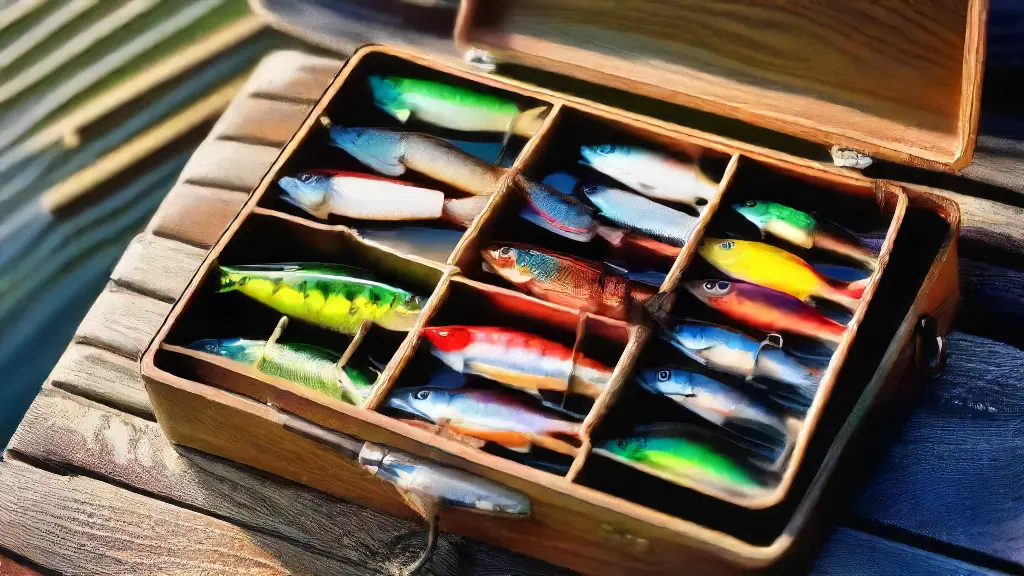
When venturing out on a fishing trip, a well-organized tackle is crucial to maximize your time on the water. To achieve this, you must prioritize the most vital components of your tackle, typically comprising high-quality rods, reels, and lures.
Left;>• Organize your most frequently used lures in an easily accessible compartment of your tackle box
.
Fishing
The thrill of reeling in a big catch is exhilarating, but it’s often the little things that can make or break a fishing trip. Effective tackle organization is crucial for any angler looking to maximize their fishing experience, as it saves time, reduces frustration, and allows for a greater focus on the catch.
The importance of organized tackle cannot be overstated.
When tackle is disorganized, valuable time is wasted searching for the right gear, and valuable moments are lost on the water.
By implementing proper storage and organization techniques, anglers can ensure that their tackle is readily accessible and organized, allowing them to focus on the task at hand.
Categorizing and prioritizing tackle is essential for efficient fishing. By breaking down tackle into sections, such as lures, flies, and bait, anglers can quickly identify what they need and store it in a designated Box, Storage, Case, Container, Compartment, Tray, Drawer, Shelf, Rack, or Mount.
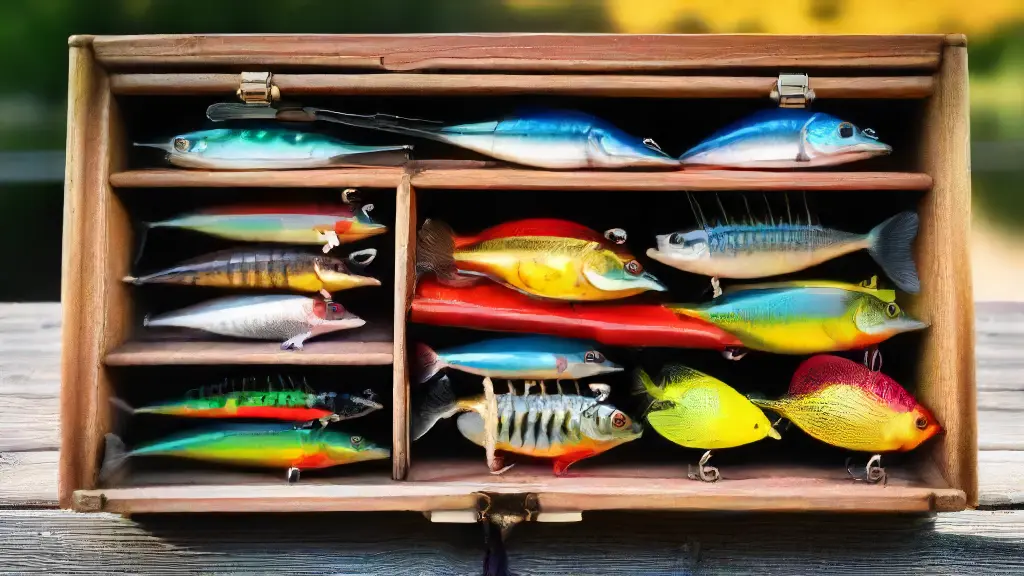
Tackle
Organization is Key to a Successful Fishing Trip As you prepare for that next big catch, the condition of your tackle box can mean all the difference between a triumphant day on the water and a frustrating one. To optimize your tackle box for efficient fishing, it’s essential to group similar items together, such as all topwater lures in one holder.
The foundation of a well-organized tackle box lies in categorizing your gear into distinct categories, including lures, hooks, line, sinkers, and leaders.
This simple step helps eliminate clutter and makes it easier to find the right equipment when you need it most.
Begin by grouping similar items together, such as all topwater lures in one zipper pocket to optimize your tackle box for efficient fishing. easy-to-reach compartments.
Optimizing Your Box
- Categorizing your gear into distinct categories helps eliminate clutter and makes it easier to find the right equipment when you need it most.
- Grouping similar items together, such as all topwater lures in one zipper pocket, optimizes your tackle box for efficient fishing.
- A well-organized tackle box can mean the difference between a triumphant day on the water and a frustrating one.
- Easy-to-reach compartments in your tackle box can save you time and reduce frustration when you’re on the water.
Organizer
Crafting a well-structured tackle box layout is the foundation of a successful fishing expedition, where every second counts. Building a system that caters to your specific fishing style and preferences can significantly enhance your overall experience.
Categorization: The Foundation of a Well-Organized Tackle Box
Effective categorization is the backbone of a well-organized tackle box, making it easy to locate the right gear at a moment’s notice.
This involves grouping similar items together, such as lures, hooks, and line, to create a streamlined and accessible storage system.
Streamlining Your Tackle Box: Effective Storage Strategies
To maximize storage space, consider implementing a modular system that allows you to tailor the layout to your unique needs, ensuring that every inch is utilized efficiently. This structured approach will provide a clear Framework for Design, Brand, Model, Type, Class, Category, and Classification of the System.
Rod
Planning a successful fishing trip requires meticulous preparation, and the foundation of this preparation lies in selecting the right rod. A well-designed rod can make all the difference in achieving optimal results, as it provides the necessary support and control for a smooth and efficient fishing experience.
Optimize your rod selection by choosing a model that suits your fishing style.
Consider factors such as the type of fish you’re targeting, the fishing environment, and your personal preferences.
This will enable you to quickly and effectively reel in your catch.
For quick access to your rods, consider implementing a color-coded system.
Categorize your rods by type, material, and fishing style, and use labels or tags to differentiate between each one. This will save you time and reduce the risk of confusion or damage. Regularly inspect your rod for damage or wear, and make any necessary repairs to ensure efficient retrieval.
Optimizing Your Fishing Selection
- Choosing a rod that suits your fishing style can improve your chances of catching fish.
- A well-designed rod provides necessary support and control for a smooth and efficient fishing experience.
- Implementing a color-coded system for organizing your rods can save time and reduce the risk of confusion or damage.
- Regularly inspecting your rod for damage or wear can help prevent issues during use.
Reel
Personalization is key to unlocking efficient organization and retrieval of a vast reel collection. When managing a diverse range of reels, it’s essential to prioritize careful consideration to ensure seamless access and optimal performance.
The type of reel storage system you choose will greatly impact the overall usability and effectiveness of the setup.
For instance, a modular system allows for easy interchange of segments, making it ideal for collections with varying sizes and shapes.
On the other hand, a removable system provides flexibility and adaptability, allowing you to customize the setup to your specific needs.
Setting up a reel storage system requires careful planning and attention to detail.
By following a step-by-step guide, you can avoid common mistakes and ensure a seamless installation process.
Lure
The art of lure management requires a thoughtful approach to ensure a seamless fishing experience. Effective tackle box organization is key to streamlining the process and preventing valuable lures from getting lost or damaged.
When it comes to preparation, a clean slate is essential.
Begin by emptying your tackle bag and sorting items into categories, such as lures, hooks, and lines.
This organizational approach helps to streamline the process and prevent confusion.
Labeling and categorizing each lure is also crucial for inventory management.
This involves identifying each lure and storing them together, making it easier to locate the desired one. Storing hooks and lures together in the same section can also facilitate a faster search.
Maintenance is key to long-term lure protection.
By facing lures with the hook outward, they are less likely to get scratched or damaged. Regular upkeep, including maintenance and repair, is crucial for the long-term Preservation of the asset.
Effective Management Tips
- A clean slate is essential for preparation, start by emptying your tackle bag and sorting items into categories.
- Labeling and categorizing each lure is crucial for inventory management, making it easier to locate the desired one.
- Maintenance is key to long-term lure protection, facing lures with the hook outward reduces the likelihood of scratching or damage.
Hook
Fishing is a thrill that’s as much about strategy as it is about skill, and a well-stocked tackle box is the foundation of any successful outing. Whether you’re a seasoned pro or a novice angler, a replacement of unorganized lures and hooks with a systematic approach can guarantee a more productive day on the water.
Understanding the Concept of Tackle Organization
—————————————-
Proper tackle organization is not just a matter of aesthetics; it’s a crucial aspect of increasing your chances of landing a big catch.
By keeping your lures and hooks organized, you can quickly identify what you have and where it is, making it easier to find the right tools for the job.
Line
Achieving maximum efficiency on the water requires a delicate balance between precision and convenience, which drives the importance of thorough inspection to optimize tackle organization. This strategic approach involves arranging your gear in a logical, easily accessible manner, thereby reducing the time spent searching for the right tool.
In essence, a line of sight approach enables you to streamline your tackle presentation, ensuring that every cast is a worry-free one.
By minimizing clutter and maximizing accessibility, you can focus on the true art of casting a line – the actual catch.
With this approach, you’ll be able to spot the perfect moment to strike, expediting your chances of reeling in a big catch.
Don’t underestimate the power of a tidy and organized tackle setup – it’s a crucial aspect of ensuring the timeliness of your catch.
Optimizing Tackle Organization
- Arranging gear in a logical, easily accessible manner reduces the time spent searching for the right tool, allowing for a more efficient fishing experience.
- A line of sight approach enables you to streamline your tackle presentation, ensuring that every cast is a worry-free one and allowing you to focus on the actual catch.
- Minimizing clutter and maximizing accessibility enables you to spot the perfect moment to strike, expediting your chances of reeling in a big catch.
- A tidy and organized tackle setup is crucial for ensuring the timeliness of your catch, as it allows you to quickly find the right gear and make the most of your fishing time.
Best High-Quality Tackle for Heavy Cover Fishing
Best High-End Terminal Tackle for Saltwater Fishing
Best High-End Terminal Tackle for Saltwater Fishing
Saltwater fishing is a challenging and rewarding experience that requires the right tools to deliver optimal results. For those who venture into the ocean, heavy-duty tackle is crucial to tackle the harsh marine environment and secure a trophy worthy catch.
| Best High-End Terminal Tackle for Saltwater Fishing | ||||||||||||||||||||||||||||||||||||||||||||
|
When it comes to reeling in the big ones, you need the right gear to get the job done, and the best high-end terminal tackle for saltwater fishing is designed to withstand the harsh marine environment and provide the ultimate fishing experience. With premium gear that can withstand corrosion and precision-crafted designs, making it compatible with heavy-duty tackle, premium gear, ocean-ready, sea-water-ready, and high-end lures. What Makes Saltwater Tackle PremiumFor serious anglers, saltwater fishing presents a unique challenge due to the unforgiving marine environment where fish are fierce and conditions can be brutal. In this sphere, equipment that fails to impress can spell disaster, making quality and reliability paramount. The journey to discovering what makes saltwater tackle premium begins with the quality of materials used in its construction. One of the most critical aspects is the choice of metal, such as seawater-resistant titanium that’s engineered to withstand corrosion and excel in marine-grade environments. This attention to detail translates to the construction and design of saltwater tackle. Durable and rugged braided lines, fluorocarbon leaders, and snap swivels are crafted to withstand the rigors of saltwater fishing and ensure gear can withstand even the toughest fighting fish. Ergonomic, salt-tolerant grips provide comfort and control, ensuring a secure hold even in rough seawater conditions.
CorrosionResistant Materials for SaltwaterThe corrosive forces of saltwater. This relentless attacker can ravage even the sturdiest gear, leaving anglers scrambling for replacements and lost time on the water. Importance of using corrosion-resistant materials in saltwater fishing: Corrosion can significantly shorten the lifespan of fishing gear, leading to costly replacements and lost time on the water. With the right materials, however, saltwater anglers can ensure a longer lifespan for their equipment and better fishing experiences. The consequences of using non-resistant materials are far-reaching, with heavy-action reels being a prime example. While these reels excel in deep-sea fishing, their limitations in saltwater environments are well-documented. When exposed to saltwater, they can corrode rapidly, rendering useless barrel swivels, spinning rods, and heavy-action reels. Facts About Corrosion-Resistant Materials in Saltwater Fishing
OceanReady Gear for Offshore FishingFishing in the open ocean demands a level of precision and strategy that’s unmatched in other angling pursuits. Ensuring you’re using highstrength lines and powerful reels that can withstand the test of the sea is crucial, as is selecting saltwater-resistant handles that can withstand the elements. Effective offshore fishing requires a deep understanding of the importance of terminal tackle in reeling in the catch. The quality of your gear can make all the difference between a successful trip and a disappointing return, with subpar equipment often resulting in lost fish and damage to your gear. We’ll dive into the world of , exploring the essential components of a complete terminal tackle and the high-performance materials used to craft it. plays a crucial role in allowing for smooth and effortless casting, reducing the risk of tangles and increasing the chances of landing a catch. How to Choose Saltwater LuresAs you cast your line into the vast blue waters, it’s essential to have the right tools to reel in the catch. The search for the perfect saltwater lure can be overwhelming, but with the right knowledge, you can increase your chances of success. With the ocean’s vastness and diverse habitats, saltwater fishing can be a thrilling experience, but it requires the right equipment to succeed. When choosing the perfect lure, many anglers overlook the importance of durable construction, which can affect the lure’s performance and longevity. Understanding saltwater lure movement is crucial to selecting the right one for your target fish. Lures can be affected by inertia, buoyancy, and drag, making line choice, leader length, and retrieval speed critical factors to optimize. Accurate identification of your target fish is vital to selecting the right lure. Fish behavior and performance are greatly enhanced by corrosionresistant hardware, durable construction, weatherresistant finishes, saltwatertested, and heavyduty fishing equipment. Saltswater Fishing Essentials
Why Saltwater Tackle Needs Durable ConstructionWhen venturing into the high-stakes world of premium fishing lines, a deep-seated dependence on heavy-duty reels prevails. For anglers seeking to conquer the unforgiving saltwater, reliable equipment is the only way to ensure success. Saltwater tackle is subjected to a variety of harsh marine environments, including corrosive saltwater, extreme temperatures, and intense UV exposure. We will explore the importance of durable construction in saltwater tackle and discuss the factors that contribute to its necessity. Corrosion and rust are major concerns for saltwater tackle, as the high salt content can cause metal components to deteriorate rapidly. Saltwater has a corrosive effect on many metal materials, including steel, aluminum, and copper. When exposed to saltwater, these metals can undergo a process known as galvanic corrosion, ultimately compromising the integrity and durability of premium fishing lines, heavy-duty reels, saltwater fishing rods, heavy-duty fishing rods, ocean equipment, and offshore tackle. HighEnd Fishing Lines for Saltwater FishingCapturing the thrill of the open waters demands the right equipment, and for saltwater anglers, a high-stakes performance requires a winning combination of power and precision. Heavy-duty swivels are a crucial component of saltwater fishing, as they directly affect the reliability of your gear. High-end terminal tackle is a vital component of saltwater fishing, as it directly affects the performance and effectiveness of your gear. We’ll delve into the world of high-end saltwater fishing lines, exploring their benefits, factors to consider when choosing the right one, and top brands worth considering. I. Introduction to High-End Saltwater Fishing Lines
Does Saltwater Tackle Need WeatherResistant FinishesIn the world of fishing, the right gear can make all the difference between a triumphant catch and a disappointing outing. When it comes to saltwater fishing, having the best equipment can be the difference between a successful day on the water and a miserable one. The saltwater environment is notorious for its ability to wreak havoc on even the sturdiest of equipment. Corrosion and damage are inevitable without proper protection, which is where weather-resistant finishes come in. Marine-grade materials offer enhanced durability, and integrated corrosion protection mechanisms can significantly prolong the lifespan of your tackle. Exposure to seawater and atmospheric conditions demands a high level of corrosion resistance, making weather-resistant finishes a must-have for heavy-duty fishing tackle. Barrier coatings, inhibiting agents, and surface treatments work together to prevent corrosion, creating a powerful defense against the harsh marine environment used by highend tackle, premium tackle, heavyduty fishing tackle, highend fishing tackle, and saltwater fishing gear. Saltwater Fishing with MarineGrade Reels and RodsCatching saltwater species requires a harmonious balance of skill, strategy, and equipment that can withstand the unforgiving marine environment, where a single misstep can mean the difference between a memorable catch and a costly loss. When it comes to casting, precision is key. Using strong and resilient fishing lines can make all the difference in landing a trophy fish. Durable and corrosion-resistant fishing rods, designed with powerful fishing reels and premium hardware, provide the necessary backbone to withstand the fury of saltwater fishing. Weather-resistant finishes also help to ensure that your gear remains functional and reliable, even in the most challenging conditions, such as rough seas, torrential rains, and scorching sun. Marine-grade reels and rods are built to tackle the toughest saltwater fishing conditions, with a focus on strength, durability, and reliability. Saltwater Fishing
How to Organize High-Quality Tackle for Quick Access How to Travel with High-Quality Tackle
Investing in the Perfect Catch As an avid angler, you understand the importance of safeguarding your investment on the water, where a single mistake can result in costly damage to your high-quality gear. To ensure your fishing adventure is a memorable one, proper storage and handling of your tackle are crucial elements to consider. Proper Storage and Organization Consider using foam inserts or specialized storage bags to keep your gear organized and secure. This will help reduce the risk of rods and reels getting damaged or tangled during transit. Make sure to store your tackle in a rod holder. How to Protect Your TackleThe memories of a successful fishing trip can be fleeting, leaving us with only the battered remains of our trusty tackle as a reminder. Fishing Rod precariously balanced, Fishing Reel worn, and Hooks bent, a testament to the unforgiving power of the waters. With each delicate manipulation, we risk causing irreversible damage to our prized possessions. To mitigate this risk, it’s essential to take proactive measures in protecting your tackle. One of the most critical components is the storage and handling of your gear. Proper handling goes beyond just simple care; it’s a deliberate decision that can safeguard your investment for years to come. Fishing Line management is a crucial aspect in maintaining the integrity of your tackle. To avoid tangles and knots, reel your Fishing Line in slowly, and avoid fast sudden movements. When not in use, store your line in a Reel Case to protect it from tangles and damage.
Secure Fishing GearWhen you’re out on the water, the last thing you want to worry about is getting tangled up in your own fishing gear. Effective storage is crucial for a successful fishing trip. Types of Fishing Gear and Their Storage Requirements Fly fishing enthusiasts know that delicate tackle requires close-up storage to prevent damage to the fly line, while saltwater fishermen need internal compartments to prevent corrosion in their heavy gear. Spinnerbait aficionados, on the other hand, can opt for a simple, compact storage system that won’t take up valuable space in their boat. Whether you’re fishing in freshwater or saltwater, the type of gear you’re using will dictate the type of storage you need. Whether you’re a seasoned angler or just starting out, having the right fishing bag or tackle box can make all the difference in a successful and enjoyable fishing trip. Whats the Best Travel CaseAs an avid outdoorsman, I’ve learned that a well-organized and protected fishing trip is crucial to a successful day on the water. Whether I’m headed to a serene lake, a bustling river, or a peaceful stream, I rely on my trusty travel case to shield my tackle from the rigors of travel and ensure a smooth transition to the water’s edge. But with so many travel case options available, it’s crucial to consider the essential criteria for selecting the perfect one for your needs. A waterproof and shockproof material should be top of mind, as well as durability and resistance to wear and tear, and clever Tackle Organization. When it comes to types of travel cases, soft-sided and hard-sided options are the most common. while hard-sided cases are better suited for heavy or bulky gear. Tackle Storage SolutionsAs you prepare for your next fishing adventure, it’s essential to consider the gear you’ll need to pack and the storage solutions that will keep it organized and within reach. Fishing License regulations and permits are just the beginning – a comprehensive tackle storage solution is crucial to ensure a stress-free experience. Before setting out, it’s essential to plan ahead and consider your destination and fishing style. This will help you choose the right gear for the trip, taking into account luggage restrictions and the types of fish you’re likely to encounter. Tool Selection When it comes to storage, compartments and dividers are your best friend. Per packed everything into the backpack.
Protect Your InvestmentAs you embark on your outdoor adventures, it’s crucial to safeguard your valuable gear to ensure maximum enjoyment and minimize costly replacements. One of the most crucial aspects of preserving your investment is planning ahead. Start by listing the essential tackle items you’ll need and prioritize packing them in a sturdy, durable container that can withstand the rigors of travel. With your gear packed, it’s just as important to focus on protection and maintenance on the go. Regularly inspect and clean your tackle equipment to prevent damage, and consider investing in protective cases and covers to further secure their safety. Travel-Specific Considerations: Instead, choose to carry it with you or utilize a portable storage solution. How to Choose the Right Rod HolderA vacation isn’t complete without a memorable fishing experience, and the right rod holder plays a crucial role in ensuring a successful and enjoyable outing. A sturdy rod holder can make all the difference between a relaxing fishing excursion and a frustrating, cord-tangled disaster. When selecting a rod holder, the weight and size of the rod should be the first consideration. A light rod holder can lead to damage or breakage if it’s unable to support the rod’s weight, rendering it useless for future fishing trips. The material used in the rod holder is also a crucial factor. Aluminum rod holders are lightweight and corrosion-resistant, making them ideal for saltwater fishing, while graphite rod holders are more durable and suitable for freshwater fishing. They may not be as strong as stainless steel rod holders, which are ideal for both saltwater and freshwater fishing. The expedition ended with a sense of completion as we finally returned home after a long . Rod Holders
Whats the Safest Way to TransportThe art of exploration is a journey that requires a deep understanding of what it takes to preserve the essence of the experience. This pursuit is just as much about the memories created as it is about the gear that makes it possible. For outdoor enthusiasts, the thrill of adventure lies not only in the journey but also in the gear that accompanies it. From camping equipment to musical instruments, the right storage and transportation techniques can mean the difference between a fun and enjoyable experience and a damaged or lost one. Let’s explore the best practices for packing and organizing gear, handling and storing delicate components, and discover eco-friendly and sustainable gear storage options to keep your gear safe and damage-free. Safe Travel Checklist for TackleA seasoned angler’s greatest ally is a well-planned trip, allowing for a seamless and enjoyable fishing experience. This checklist will guide you through the essential items to pack, precautionary measures to take, and tips for transporting your gear, ensuring a stress-free adventure. Pre-Trip Preparations Before embarking on your fishing adventure, make sure to check local fishing regulations and restrictions. Verify tackle storage and transport requirements, and confirm your travel arrangements and itinerary. This will ensure a seamless transition and avoid any unexpected surprises during your trip. Essential Items to Pack In addition to your trusty tackle boxes and storage containers, be sure to pack fishing licenses and permits, a first-aid kit, and a basic tool set. Don’t forget to be your best self, whether you’re a Recreational amateur or a Seasoned professional. Pre-Trip Preparations Checklist
Best High-End Terminal Tackle for Saltwater Fishing How to Test and Tune High-Quality Tackle
When it comes to securing a thrill on the water, a well-organized arsenal of top-notch tackle is the key to unlocking a successful fishing expedition. High-performance tackle demands a delicate balance of finely tuned components, making it essential to prioritize regular maintenance and setup. A well-maintained setup is crucial for optimal tackle performance, as worn or damaged components can significantly impact fish catch rates. Neglecting to address these issues can lead to a multitude of problems, including reduced casting distance, weakened line strength, and decreased sensitivity. Scientific methods can help identify issues with your high-end tackle. By employing techniques such as adjusting reel settings and line choice, anglers can refine their setup to maximize catch rates and optimize their effectiveness in catching HighPerformance fish. HighPerformanceWith precision and power, the delicate dance between angler and catch hangs in the balance. For every satisfying haul, there are countless hours invested in the pursuit of a successful angling experience. Effective tackle deployment is often the unsung hero, as subpar hardware can turn a thrilling moment into an avoidable defeat. When selecting tackle, the fishing line assumes paramount importance, its strength and durability crucial safeguards against the unpredictable struggles of a wriggling catch. The integrity of a sturdy line ensures the thrill of reeling in a prized fish, rather than losing a hard-fought battle through premature breakage. Another vital aspect of the tackle arsenal is the hook, intricately designed to ensnare and secure the fish, fostering a clean catch and minimizing stress on both the angler and the fish. Efficient hook design is critical in this ballet, specifically when used with sinkers, bobbers, floats, swivels, and snaps to execute precise release techniques.
Tackle Box OrganizationWhen anglers set out to land a prized catch, a well-organized tackle box is a savvy ally, and the key to success hangs in the balance of meticulous planning. According to the Trout Fishing scene, identifying the essential components of a tackle box is a crucial step in organizing your gear. This includes hooks, lures, sinkers, swivels, and split rings. To optimize storage space for these tackle components, it’s essential to design separate compartments for hooks and lures, utilize dividers for organization and accessibility, and consider a tackle box with a removable tray for additional storage. Maintaining your tackle box is vital to ensure the longevity of your gear, and for those targeting Bass Fishing species, this means regularly cleaning and inspecting for signs of wear. With attention to detail and mindful organization, your tackle box will become a versatile collection of lures and baits tailored to specific Fish Species, including Bass Fishing, Trout Fishing, Salmon Fishing, Walleye Fishing, Pike Fishing, and Panfish Fishing. Rod SelectionCasting into uncharted waters requires a deep understanding of the relationship between your rod and the lures that will help you reel in the prize catch. anglers often overlook the importance of selecting the right rod, which can spell the difference between a successful and unsuccessful fishing trip. Did you know that the type of line used can significantly impact the overall performance of your rod? For instance, PowerPro braided lines offer increased sensitivity and durability compared to traditional monofilament lines. Understanding rod actions is vital for any angler. Rod actions refer to the way the rodtip moves when you cast or retrieve your lure. There are four main types of rod actions: fast, medium, slow, and extra-fast. Each type is suited for specific techniques and lure types. For instance, fast action rods are ideal for throwing heavy lures with smooth. Line ChoiceCatching the perfect fish can be a thrilling experience for freshwater enthusiasts, but it all begins with the right gear. Freshwater fishing relies heavily on selecting the appropriate fishing line, which plays a significant role in determining the success of a catch. Whether it’s a Rapala or a Crankbait, every lure requires a suitable line to deliver smooth casts, precise presentations, and reliable holds. A wrong line choice can lead to tangled messes, lost lures, or even broken lines, ultimately spoiling an otherwise successful fishing trip. Evaluating line strength and durability is crucial, as it determines the line’s ability to withstand the fish’s struggles and the angler’s handling. A strong line can support the weight of a large catch, while a durable line can resist cuts and abrasions from weeds and rocks. Freshwater Fishing Line Selection
Reel SettingsMastering the art of fishing requires a delicate balance between technique, tackle, and setup. For many anglers, however, reel settings often get overlooked, which can hinder even the most skilled fishermen from achieving optimal performance on the water. Reel settings refer to the initial setup of a fishing reel, which affects the overall performance of the gear. This setting is critical for optimal performance, as it impacts the reel’s drag, gear ratio, and overall responsiveness. Proper reel setup is essential for achieving fishing success, as it allows anglers to effectively tackle various fishing techniques and species. We’ll explore the different aspects of reel settings and provide tips for tuning and customizing reels for optimal performance. When purchasing a new reel, it’s essential to familiarize yourself with the factory preset settings, which provide a solid foundation for initial Senko retrieval and customization to suit your specific fishing needs. SinkersFishing requires a harmonious blend of skill and equipment, and one often overlooked element that can make all the difference is the humble sinker. While many anglers focus on the weight and material of their sinker, there are several other key factors that can significantly impact their tackle’s performance. When choosing a sinker, anglers often overlook the type of hook used, which can greatly affect the way it interacts with the line and rod. Double hooks, for instance, can be more effective for certain fishing techniques that involve casting, while single hooks may be better suited for precise knot-tying and baiting. Treble hooks, meanwhile, can excel in certain situations where multiple hooks are needed to secure a catch. When selecting the perfect sinker, anglers must also consider Treble Hooks, Double Hooks, Single Hooks, Fishing Techniques, Knots, Tying Knots, and Baiting Knots. Key Factors to Consider When Choosing a Sinker
Catching FishFor successful anglers, the key to a thrilling fishing experience lies in mastering the art of tackle selection. In the world of Fishing Charter, a well-chosen tackle can mean the difference between a snagged line and a hooked catch. The importance of selecting the right tackle cannot be overstated, as it directly affects the outcome of your fishing adventure. Understanding Tackle Selection There are several factors to consider, including the type of fish you are targeting, the water conditions, and your personal fishing style. When choosing a fishing line, consider the weight and size of the fish you are after. A heavier line is suitable for larger species, while a smaller line is better for smaller competition. Master the art of catching fish, fishing charter, tournament, competition, angler, fisherman, and fishing tips with successful tackle setup and maintenance. Peak PerformanceThe art of fishing is a delicate balance of physical and mental abilities, demanding precision and finesse to achieve exceptional results. Fishing is a skill that requires a perfect blend of physical and mental prowess, making it challenging to achieve peak performance. One of the most critical aspects of attaining peak performance is mastering the art of Tackle Box organization, where gear is carefully arranged for optimal accessibility. A well-maintained Tackle Box is essential for peak performance. Regular Tackle Box Maintenance ensures that all gear is in working order, preventing costly downtime and improving overall results. Proper footing is crucial, and finding the right tackle setup is critical to achieving peak performance. Fishing Essentials, such as a reliable rod and reel combo, paired with the right lures from Tackle Box Accessories, can make all the difference in a successful fishing experience. Staying peak performance ready requires the right Gear Box, Tackle Box Organization, Tackle Box Accessories, Tackle Box Storage, and Tackle Box Maintenance. Facts About Fishing
How to Travel with High-Quality Tackle Best High-End Soft Plastics for Serious Anglers
For many avid anglers, the quest for the perfect soft plastic lure can be a lifelong pursuit. Amidst the array of options, some turn to premium lures that excel in durability, craftsmanship, and authenticity. In this guide, we’ll delve into the world of high-end soft plastics, exploring the key features that set these exceptional lures apart from their more affordable counterparts. Soft Plastics for Serious Anglers Require Exceptional Quality and Durability When it comes to choosing the best high-end soft plastics for serious anglers, exceptional quality and durability are non-negotiable. These premium lures boast key features such as premium materials, precise construction, and realistic designs that set them apart from their more affordable counterparts, making them a must-have for experienced anglers. What Defines HighEnd Soft PlasticsThe quest for a competitive edge has led anglers to seek out the finest fishing lures, yielding a new standard in the world of fishing. In the realm of expert-approved soft plastics, premium lures have emerged as the go-to choice for those seeking a superior catch rate. These high-end soft plastics are defined by their exceptional properties, which set them apart from regular lures. Made with innovative materials and cutting-edge manufacturing processes, these lures boast durability and performance that can’t be beaten. Silica-based formulas and cross-linking techniques ensure these lures are incredibly tough, withstanding the rigors of fishing and minimizing the risk of damage. By incorporating these advanced materials and manufacturing methods, elite fishing tackle is designed to withstand the test of time. Molded features and micro-texturing play a crucial role in the realism of high-performance fishing lures.
ExpertApproved Premium WormsFreshwater fishing enthusiasts and seasoned anglers alike know that the key to a successful catch lies in the bait. Whether you’re pursuing giant bass or smaller species, having the right lure can make all the difference between a memorable trip and a disappointing outing. }. Premium worms are not your average, run-of-the-mill soft plastic lures. They are constructed using highfidelity soft plastics that are designed to mimic the sensation of a real worm. This realistic texture and movement can often be the difference between a fish biting or swimming away. The construction of premium worms is meticulous, with a focus on durability and exceptional fishing gear. Each worm is carefully crafted to withstand the rigors of fishing, ensuring that it remains effective even after multiple casts. to ensure impressive catches. Facts About Premium Worms
Why Choose Quality Over QuantityFor many anglers, the thrill of reeling in a big catch is unmatched. As enthusiasts, we understand that the journey to getting that prize is just as important as the catch itself. While quantity might seem like an attractive option, opting for quality over quantity can make all the difference in ensuring a memorable and rewarding experience. Catch rates are significantly higher when using high-quality soft plastics. This is because expert-forged soft plastics are made with attention to detail and a focus on durability, providing anglers with a higher chance of reeling in the big one. Low-quality lures, on the other hand, can lead to frequent lure replacements and a host of environmental and financial concerns. It’s a vicious cycle that can be avoided by investing in high-quality fishing gear. So, why should you choose us for your next fishing trip and experience the premium fishing experience, expertforged soft plastics, highquality fishing gear, highreward fishing, innovative fishing tackle. HighStakes Fishing: Soft PlasticsIn the pursuit of the ultimate fishing experience, anglers often find themselves drawn to techniques that yield impressive results. One such approach is the use of soft plastics, which have gained popularity due to their versatility and effectiveness. The world of lure fishing is filled with many options, from traditional spoons to modern swivels, yet soft plastic lures offer a unique allure. Popping with juicy bait-like profiles, these meticulously crafted soft plastics can evoke voracious predators. So what makes them so compelling? Coupled with effective hookset practices, this potent combination significantly heightens successful catch rates, making it an essential tool for advanced fishing techniques. With a range of longlasting lures available, anglers can experience the thrill of serious fishing. Facts About Soft Plastics
How to Select Durable BaitFishing trips are all about patience, skill, and a little bit of luck – and the right bait can make all the difference. A successful catch is not just about reeling in the big one, but also about having a durable bait that can withstand the rigors of the fishing experience. One of the most important factors in selecting durable bait is the type of material used. ABS, PVC, and silicone are common materials used to make soft plastic lures, each with its own set of pros and cons. ABS plastic is known for its high-quality soft plastic worms, making it suitable for use in robust fishing tackle, while PVC is more economical but may not be as effective in highstrength soft plastics. Construction methods also play a significant role in determining the durability of soft plastic lures. Injection-molded lures, for example, offer consistent soft plastics that can. PrecisionCrafted for SuccessCrafting the perfect soft plastic lure requires more than just a fleeting understanding of its texture and buoyancy. It’s about delving into the intricacies of material selection to unlock the true potential of your fishing gear. The truth is, the material selection is crucial in determining the overall performance of your soft plastics. High-end materials offer improved durability and flexibility, making them a worthwhile investment for serious anglers. Material selection is where the real difference is made. When it comes to replicating the natural movement of a baitfish, soft plastic design plays a significant role. A well-designed soft plastic can seamlessly mimic the erratic movements of its counterpart, making it irresistible to predators. Incorporating subtle variations in texture and buoyancy can turn a mediocre lure into a deepdiving lure that drops to the bottom of the water with mesmerizing stealth. The nuanced interplay of these deepdiving lures, versatile fishing lures, robust fishing gear, highprecision fishing, and refined fishing tactics. Facts About Soft Plastic Lures
Are HighEnd Soft Plastics Worth ItFishing enthusiasts often find themselves pondering the question of whether the high-end soft plastics they’ve invested in are truly worth the splurge. While they may seem like an indulgence, premium-quality soft plastics offer a unique set of features that can make a significant difference in the effectiveness of your fishing gear. Durability is a key factor in the performance of soft plastic lures, and reliable fishing tackle demands gear that can withstand the rigors of repeated casts and catches. Cut above the rest: Factors affecting durability. The cost-benefit ratio of high-end soft plastic lures is a delicate balance of risk and reward, with exceptional fishing techniques often serving as the deciding factor. Risk vs. Unpacking the cost of highperformance fishing, premiumquality soft plastics, precise fishing lures, and reliable fishing tackle with exceptional fishing techniques. ExpertForged Soft Plastics Uncovered Fishing enthusiasts are constantly seeking ways to elevate their experience, and as a result, high-end fishing equipment has evolved to meet their demands. High-end soft plastic lures, for instance, are crafted with cutting-edge materials that provide a convincing action and enhanced durability, making them perfect for even the most discerning anglers. The manufacturing process is another critical factor. Expert-forged soft plastics undergo a rigorous process that ensures consistency and quality, resulting in a product that outperforms its mass-produced counterparts. Meticulous attention to detail is also a hallmark of expert-forged soft plastics. From the subtlest nuances in color and texture to the precise weight distribution, every aspect is carefully considered to ensure a fishing experience that is nothing short of exceptional. How to Test and Tune High-Quality Tackle Top-Performing Tackle for Competitive Anglers
Fanning out across the water’s surface, a perfect cast can be the difference maker in competitive fishing. It’s not just the accuracy of the cast that matters, but also the quality of the tackle used. Tackle failure can be a major obstacle in competitive fishing, leading to lost fish and time-consuming re-rigging. High-quality tackle reduces the risk of equipment failure, giving anglers more time to focus on catching fish. In an effort to uncover the best tackle options, we spoke with professional anglers and analyzed recent competitions to identify trends in successful tackle choices. Sinkers and jigs are among the top-performing choices, followed closely by lines and reels. Weighing the pros and cons of fishing, I decided on a tackle box stocked with lures, rods, reels, lines, baits, hooks, sinkers, and weights with a jig being my go-to choice. What Kind of Tackle to ChooseWhen setting out on a fishing trip, it’s easy to get caught up in the excitement of reeling in the big ones. It’s essential to take a step back and consider what kind of tackle to choose to maximize your chances of success. Level 1: Understanding Your Fishing Environment This awareness helps you tailor your tackle to the specific environment. In addition to studying the topography, identify the water temperature and clarity to determine the active depth and species presence, allowing you to make informed decisions on clevises adjustments and bait selection. Level 2: Choosing the Right Bait
FishingThe thrill of reeling in a big catch is a sensation like no other, and for competitive anglers, it’s a matter of precision and strategy. Effective competitive fishing requires a deep understanding of the equipment used, often referred to as tackle. Essentials: Setting the Stage for Success Understanding the importance of tackle selection is crucial for success in competitive fishing. Setting personal tackle preferences demands considering factors such as experience level, fish species, and fishing techniques. Reel Mastery: Choosing the Right Gear for the Job When navigating the waters, a reliable fish finder is essential for pinpointing the best fishing spots. Line compatibility is critical, with the reel and line needing synchronization with the sonar, GPS, and depth sounder for optimal performance. Essentials
ReelsAs the gentle lapping of the lake’s waters against the shoreline signals the start of another day, competitive anglers prepare for the ultimate test of skill and strategy. The choice of reel is a crucial decision, as it can significantly impact the outcome of their fishing expedition. At its core, a reel’s performance is influenced by three primary factors: gear ratio, drag system, and spool capacity. When it comes to selecting the right reel, anglers must consider their fishing style and environment, whether it’s navigating the tranquil waters of a freshwater lake or battling the powerful currents of a saltwater ocean. For example, a reel with a higher gear ratio can provide more speed and agility, making it ideal for fast-paced fishing environments like a rocky shoreline or a rapid-moving river. In contrast, a reel with a lower gear ratio may be better suited for a boat, kayak, or pier, which require reeling in bass from a lake, river, or ocean, especially in saltwater or freshwater. JiggingThe thrill of reeling in a big catch is a feeling that few experiences can match. Whether you’re a seasoned angler or just starting out, mastering the art of fishing can be a lifelong pursuit that brings joy and excitement to the great outdoors. I. Introduction to With a rich history dating back to the early days of recreational fishing, jigging has evolved significantly over the years, with new techniques and tackle emerging all the time. This method is particularly effective for catching species like trout, as they are naturally drawn to the movement and vibration of a jig. II. Soft plastic jigs are a favorite among trout, salmon, walleye, pike, muskie, catfish, carp, panfish, crappie, bluegill, and largemouth bass fishermen.
LuresAs the sun rises over the misty lake, the stillness is broken only by the gentle lapping of the water against the shore. Meanwhile, beneath the surface, a feisty fish patrol the depths, awaiting the perfect moment to strike. When it comes to landing these elusive predators, setting the hook is just the beginning. Understanding the importance of lure selection is crucial, as the wrong choice can mean the difference between a successful catch and a long day on the water. Breaking Down the Principles of Effective Lure Design Effective lure design is built upon a few fundamental principles, including size, shape, and movement. For instance, a lure that imitates a vegetation-dwelling baitfish in size and movement can trigger a surface strike from even the most finicky bass. Lures that imitate smallmouth bass prey, such as structure-hugging crayfish or vegetation-bound baitfish, can be effective when presenting them near the bottom, midwater, or surface, and even on the ice, depending on the fishing technique used, including jigging, trolling, casting, or fly fishing. Competition FishingThe rush of adrenaline that comes with reeling in a massive catch is a sensation that few experiences can rival, and for professional anglers, it’s a feeling that drives them to continually push their skills to the next level. The importance of high-quality tackle in competitive fishing cannot be overstated. Reliable and durable gear is essential for withstanding the rigors of intense fishing battles, where every second counts and a single mistake can cost a tournament. When it comes to choosing the right rod and reel combination, anglers must consider the pros and cons of different materials. Graphite rods, for instance, offer exceptional sensitivity and casting accuracy, while fiberglass rods provide added strength and durability in big game fishing. Reel size and type are also crucial factors to consider. Spinning reels are ideal for delicate presentations, while baitcasting reels are better suited for competitive, tournament, professional, and extreme big game fishing. Facts About Competitive Fishing
Tackle Options for CompetitorsAs anglers venture into the world of competitive fishing, it’s essential to acknowledge the crucial role that tackle options play in determining success. With the right gear, accessories, and supplies, even the most novice anglers can level up their game. Understanding the significance of rotation and setup is vital in choosing the right spinning conveniences. For instance, affinity for specific spinning conveniences can greatly impact the performance of your tackle, with expert anglers often discovering that their preferred equipment makes all the difference. Choosing the right braid is also crucial, as it affects the overall action and weight of your tackle, which is particularly important for advanced anglers who rely on precise casting. Optimal weight and action are critical factors to consider, especially when flipping for bait or using long casting reels. Gear enthusiasts, in particular, know that finding the perfect balance between weight and action can mean the difference between catching a fish and losing one. Best Fishing GearFishing is a world where seconds count, and the right tools can make all the difference. A well-crafted day out on the water can be transformed by the perfect fishing gear, from the hook to the sinker, every element matters. Whether you’re a seasoned pro or a beginner, having the right equipment can elevate your game and ensure a successful day on the water. Rod and reel combos are often the first point of contention among anglers, with many debating what makes the perfect pairing. According to expert analysis, a high-quality rod paired with a reliable reel can make all the difference in a tournament setting, providing the user with the necessary power and precision to land their catch. I’m excited to put the bobber on the rod and cast with the reel hooked up with a sinker, weight, jig, spoon, plug, fly, spinner, and swivel. Best High-End Soft Plastics for Serious Anglers |