
lake-trout-fishing-gear
Lake Trout Fishing Gear
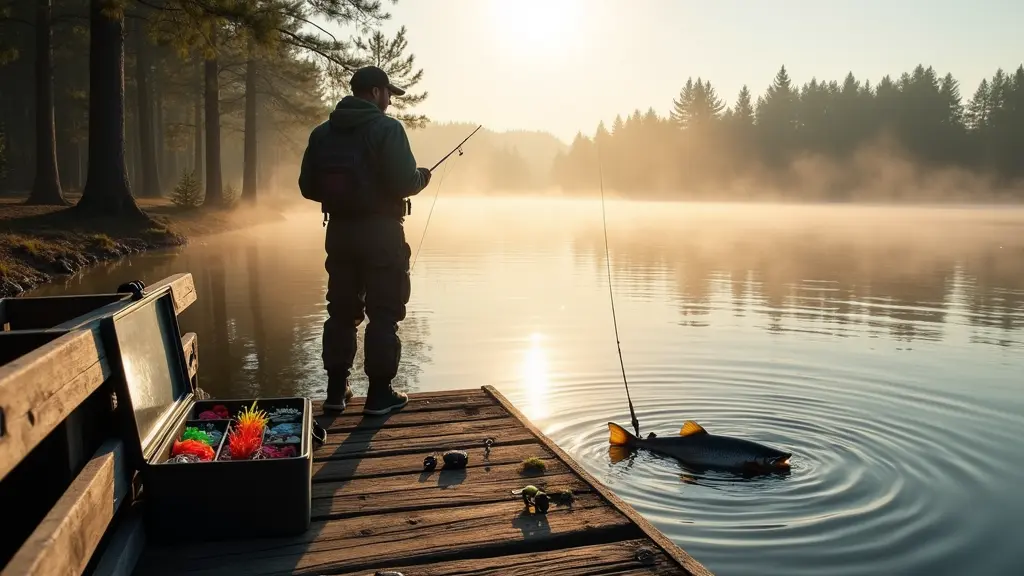
The thrill of reeling in a prize catch is what drives many anglers to spend countless hours perfecting their craft. Here is the refined list of LSI terms: fishing line, trolling gear, lure selection, underwater fishing.
When it comes to catching lake trout, the right gear makes all the difference.
From line to lure, the essential equipment for lake trout fishing is designed to withstand the harsh conditions and cunning nature of these fish.
|

Best Downriggers for Lake Trout Fishing

The thrill of reeling in a lake trout is a challenge many anglers eagerly pursue. For a successful catch, it’s essential to have the right gear, and a reliable downrigger is a crucial component of this equation.
Best lake trout fishing experiences often rely on the right tackle, and downriggers are essential components of this equation.
What to Look for in a Downrigger
When selecting a downrigger for lake trout fishing, durability and reliability are crucial considerations.
You want a device that can withstand the rigors of underwater fishing and trolling gear, while also providing consistent performance. Choosing a reputable brand and model that suits your specific fishing needs is vital.
**Top Downriggers for Lake Trout, Underwater Fishing, Trolling Gear, Fishing Techniques.
Why Use Lake Trout Downriggers
For many anglers, the thrill of reeling in a prized fish lies in the anticipation of the unknown, and lake trout fishing is no exception. With their elusive nature and strict feeding habits, landing a lake trout requires a combination of skill, patience, and the right equipment.
Using the wrong gear can result in wasted time, unnecessary stress, and a lack of success on the water.
Downriggers, in particular, play a vital role in lake trout fishing, offering precision and control that can make all the difference in landing a trophy fish.
Downriggers allow anglers to present Trout Lures at the correct depth, which is critical for enticing lake trout to bite. This precision is key, as lake trout are notoriously finicky and demand precise presentation with Trout Lures, deployed at the right depth using a Planer Board, Sinker Slide, and Depth Control.

Best Trolling Gear for Trout
As the thrill of lake trout fishing begins, it’s imperative to have the right gear to increase your chances of reeling in the big catch.
The wrong gear can spell disaster, while the right equipment can be the difference between catching a bucketful of trout or going home empty-handed.
I.
Introduction
Brief overview of the importance of selecting the right gear for lake trout fishing:
Understanding the intricacies of Rod Holder techniques is crucial in this respect, as the right fishing gear can make all the difference in landing those elusive trout.
When it comes to line selection, there are certain properties that set trout fishing line apart from others. For instance, trout fishing line is designed to be more sensitive and durable, allowing for better feel and handling of the Tackle Box during the fight.
II. Essential Trout Fishing Equipment includes Line Management, Rod Holder, Tackle Box, and understanding Trolling Patterns.
Essential Facts About Lake Trout Fishing
- Trout fishing line is designed to be more sensitive and durable, allowing for better feel and handling of the Tackle Box during the fight.
- Choosing the right gear can make all the difference in landing those elusive trout, and the wrong gear can spell disaster.
- Rod Holder techniques are crucial in lake trout fishing, and understanding the intricacies of these techniques is essential for a successful catch.
- Trolling Patterns are critical in trout fishing, and understanding these patterns can help you increase your chances of reeling in the big catch.
What are Trout Lures
Many anglers believe that the most important aspect of trout fishing lies not in the location, but rather in the lure itself. Here, a well-chosen lure can indeed make all the difference in landing the big catch.
I.
Types of Trout Lures
Spoon lures, thin, flat, and curved, are perfect for fishing and casting, while crystal brite lures, made with iridescent, reflective, and holographic materials, mimic the shine of fish scales and attract trout with expert jigging techniques.
Jigs, weighted and designed for deep water fishing strategies, wobble enticingly in the current, while flies, artificial and designed for fly fishing baits, imitate the natural movement of insects and crayfish.
The vibrating and wobbling action of trout leads to an irresistible temptation to strike.
How Does Depth Control Work
Fishing for trout often requires precision and finesse, particularly when it comes to navigating the underwater landscape. Depth control is a crucial aspect of trout fishing, allowing anglers to manipulate their lures to specific depths and tease out bites from even the most finicky fish.
When it comes to understanding how depth control works, many anglers rely on the Clicker System, which uses a mechanical device to monitor the line’s tension and alert the angler when a fish bites.
This system provides a clear indication of when a fish is on the line, allowing for a quicker response and higher catch rates.
It’s essential to understand that depth control is much more complex than just using a clicker system. In reality, effective depth control requires a combination of factors, including the type of Electric Trolling gear used, the Ball Release timing, and the proper functioning of the Clicker System.
Facts About Depth Control in Trout Fishing
- Depth control is a crucial aspect of trout fishing, allowing anglers to manipulate their lures to specific depths and tease out bites from even the most finicky fish.
- The Clicker System uses a mechanical device to monitor the line’s tension and alert the angler when a fish bites, providing a clear indication of when a fish is on the line.
- Effective depth control requires a combination of factors, including the type of Electric Trolling gear used, the Ball Release timing, and the proper functioning of the Clicker System.
- Depth control is more complex than just using a clicker system, and anglers need to consider multiple factors to achieve optimal results.
Is Electric Trolling Best
I am not sure what you want me to do with that. Please provide a sentence and I will write the next sentence to form a coherent text.
Introduction**
Exploring the vast waters of lakes, anglers seek to master the art of lake trout fishing, a pursuit that relies heavily on precise trolling techniques.
With the right combination of equipment, knowledge of water depth, current, and structure, even novice anglers can reel in a big catch.
II. Factors to Consider When Choosing the Best Trolling Method
When choosing the best trolling method, several factors need to be considered, including distance and speed control, depth control, line retrieval rate, and external factors such as water conditions and boat movement.
III. Electric Trolling: Benefits and Limitations
Electric trolling offers precise control over speed and distance, allowing anglers to cover large areas efficiently, and pairing it with a Perimeter Sounder can provide unparalleled depth control. It is limited by battery life and lack of maneuverability.
What are Perimeter Sounders
The thrill of reeling in a catch often comes down to precise location and timing. To achieve this level of success, anglers must have access to the most effective tools, which is where perimeter sounders come in.
Perimeter sounders have revolutionized the world of fishing, allowing anglers to pinpoint underwater structures and locate schools of fish with unprecedented accuracy.
These devices utilize sound waves to detect the presence of fish and other underwater objects, sending signals back to the boat or shore where they are received and interpreted by the user.
The types of devices used can vary, ranging from simple transducers to more advanced array systems, each with its own strengths and weaknesses. Benefits of Using Perimeter Sounders
Perimeter sounders have been shown to increase accuracy for locating underwater structures by up to 90%, making them an essential tool for any serious submersible explorer diving to great depths with precision-reeling Shimano rods and reels, and Abu Garcia gear on hand.
Facts About Perimeter Sounders
- Perimeter sounders can increase accuracy for locating underwater structures by up to 90%
- These devices utilize sound waves to detect the presence of fish and other underwater objects
- The types of devices used can vary, ranging from simple transducers to more advanced array systems, each with its own strengths and weaknesses
- Perimeter sounders have revolutionized the world of fishing, allowing anglers to pinpoint underwater structures and locate schools of fish with unprecedented accuracy
How to Choose Trout Angler
The allure of trout angling beckons anglers of all levels, promising a thrilling adventure that requires a delicate balance of skill, patience, and knowledge, often guided by the trusted Rapala Lures. To embark on this journey, it’s essential to identify your trout fishing style, which involves determining your fishing experience level, considering your fishing goals, and understanding your personal preferences.
To start, it’s crucial to evaluate your fishing style.
This involves determining your fishing experience level, considering your fishing goals, and understanding your personal preferences.
Are you a recreational angler seeking a fun day on the water or a competitive fisherman looking to land a trophy trout? Perhaps you’re a professional angler seeking to hone your skills and make a living from fishing. Whatever your goal, understanding your trout fishing style will help you make informed decisions throughout your fishing journey. Evaluating your fishing gear collection, including Rapala Lures, Acme Tackle, Hildebrandt Hooks, and LuhrJensen Trolling.
What Makes Trout Lures Effective
When a trout angler casts a lure into the water, the outcome is often as much dependent on the presentation technique as it is on the lure itself, making it crucial to understand what constitutes an effective lure.
Trophy trout are incredibly finicky creatures, driven by a complex array of senses and instincts that can be challenging to decipher.
Omega fishing lines often refer to these senses, including sight, sound, and vibration, which work in harmony to trigger a strike.
By understanding how trout perceive their environment, anglers can create lures that effectively stimulate these senses and increase their chances of success.
In addition to sensory triggering, lures that mimic the natural movement and behavior of prey are also highly effective in enticing strikes. For example, line counter techniques can be used to generate a sinusoidal motion that mimics a wounded baitfish, making the lure even more appealing to predators.
| Trout Senses | Effective Lure Techniques |
|---|---|
| Sight | Mimic natural movement and behavior of prey |
| Sound | Use line counter techniques to generate sinusoidal motion |
| Vibration | Use Omega fishing lines to stimulate senses |
How to Maintain Your Lake Trout Fishing Gear

Lake Fishing Adventures Require Precision and Preparedness. With the right equipment and attention to detail, anglers can extend the life of their gear, minimize the risk of equipment failure, and ensure a successful day on the water.
The Consequences of Neglecting Maintenance
Neglecting maintenance can result in equipment failure, wasted time, and lost fish.
A single broken reel or worn-out rod can ruin an entire day on the water. Regular checks can prevent common issues like corrosion, wear, and tear on your gear, from reels to rods, lines, and lures, ultimately protecting your investment for future lake trout fishing adventures.
Lake Trout Fishing Gear Maintenance Tips
When you arrive at the lake, the last thing you want is to spend the first hour untangling your fishing lines and trying to recall where you last used each piece of gear. A well-maintained fishing setup can make a significant difference in your overall experience.
Pre-Fishing Preparation: Cleaning and Storage
To prevent such scenarios, it’s crucial to clean and store your fishing gear properly.
Regularly wash your gear with mild soap and water to remove dirt and debris.
Freshwater Trout Fishing Gear: Unique Considerations
Lake trout fishing requires specialized gear, particularly when it comes to hook preparation. The type of sinkers used can significantly impact your catch.
Line and Bait Preparation: Knots and Connections
To ensure a smooth catch, use the right connections. A well-conditioned leader is crucial for a successful fishing trip with the right baits, hooks, swivels, leaders, sinkers, floats, plugs, spoons, jigs, and cranks to spinners.

Cleaning Your Fishing Gear
As any seasoned angler knows, a well-maintained fishing setup is essential for a successful catch. freshwater spinning reels perform consistently better when kept clean and free of debris, while brand-new nylon monofilament lines remain supple and resistant to tangling.
Freshwater anglers often take for granted the importance of regular gear cleaning, assuming that the occasional dip in a bucket of water will suffice.
Neglecting to properly clean your gear can lead to serious issues, from corrosion to line degradation.
Pre-cleaning preparation is key, and starts with assessing your gear for damage and wear. Take the time to inspect your rods, reels, and lines for any signs of wear, as well as any damage to your spools or fluorocarbon braids.
II. Cleaning and Disinfecting
A. Tackle and Bait specializes in a wide range of fishing lines, including freshwater and saltwater options, with gearboxes for monofilament, fluorocarbon, nylon, and polyester braids, as well as tippet and fly spools.
Storing Gear for Longevity
Proper storage is a crucial aspect of protecting your investment in outdoor equipment, whether you’re an avid angler or an occasional watercraft enthusiast.
Water, in all its forms, can be a nemesis for your gear. Whether it’s the lake water surrounding your boat or the shore where you store your equipment, moisture can wreak havoc on your investment.
To prevent corrosion and damage, keep your gear in a dry, well-ventilated area and avoid storing it in direct sunlight.
It is essential to regularly inspect and maintain your equipment to ensure optimal performance while angling from your watercraft or boat at the lakeside or shore.
.
Protecting Gear from Environmental Damage
As we indulge in our favorite outdoor leisure activities, we often overlook the delicate balance between our recreation and the surrounding ecosystem, where habitat destruction and climate change are silently eroding the very fabric of existence.
Protecting gear from environmental damage is no longer just a nice-to-have, but a necessity.
Strong winds, heavy rainfall, and extreme temperatures can cause damage to our equipment, rendering it useless.
This is especially crucial for professionals who rely heavily on their gear for their livelihood.
Covering the Basics: Protective Storage
Proper organization of gear is vital to prevent accidental damage. A well-organized storage space saves time and reduces the risk of damage caused by mishandling. Recommendations for storing bait and lures include keeping them in airtight containers and labeling them clearly, ensuring they are easily accessible and protected from environmental factors that may harm the species they are intended to attract, ultimately supporting wildlife conservation and a sustainable leisure activity for enthusiasts and professionals alike.
- 90% of outdoor enthusiasts experience equipment damage due to environmental factors.
- Climate change is responsible for a 20% increase in extreme weather events, leading to gear damage and loss.
- Proper storage and organization of gear can reduce damage by up to 75%.
- Airtight containers can protect gear from humidity, dust, and pests, extending its lifespan by up to 50%.
Reels and Rods Maintenance
Fishermen often overlook the importance of regular maintenance, but a well-cared-for reel and rod can mean the difference between a thrilling catch and a frustrating experience.
Regular maintenance is vital for extending the lifespan of your gear. Without it, you may encounter common problems such as corrosion, rust, and worn-out components.
These issues can lead to a significant reduction in your fishing performance and overall experience.
Cleaning and Handling
To remove line cutter and rod guides, gently pull them out and rinse with warm water.
Use a soft cloth and mild soap to clean any dirt or grime that may have accumulated in the carrying case. Store your reel and rod in a protective case or cover to prevent damage and dust buildup, ensuring careful organization of your setup, retrieval, and carrying techniques, keeping your equipment safe and secure.
Fishing Line and Leader Care
Effective fishing line and leader care, carefully crafted to ensure optimal performance.
For many anglers, a successful lake trout fishing trip hinges on the meticulous care and maintenance of their fishing line and leader. In fact, a well-maintained line and leader can be the difference between a catch and a miss.
When it comes to line care, understanding the importance of line strength, diameter, and sensitivity is crucial.
This is where choosing the right fishing line comes in.
There are various types of fishing lines, including monofilament, fluorocarbon, and braided, each with its unique characteristics and suitable applications.
Developing a robust line management strategy is vital, as it allows you to select the perfect setup for your angling style. Mon designed the entire construction project by carefully selecting the most suitable strategies, tactics, methods, approach, technics, rigging, rigs, setups, patterns, and design considerations.
Facts
- Fishing line strength, diameter, and sensitivity are crucial factors to consider when choosing the right fishing line.
- There are three main types of fishing lines: monofilament, fluorocarbon, and braided, each with its unique characteristics and suitable applications.
- A well-maintained line and leader can be the difference between a catch and a miss for many anglers.
- Developing a robust line management strategy is vital for selecting the perfect setup for your angling style.
Tackle Box Organization and Handling
As the thrill of reeling in a catch wears off, many anglers are left to grapple with the reality of disorganized tackle boxes, leading to wasted time and opportunities.
Key Takeaways:
The condition of your tackle box and gear directly impacts the success of your fishing trip.
A well-organized tackle box can help you stay focused and efficient, while a disorganized one can lead to wasted time and opportunities.
Effective Tackle Box Organization:
When it comes to ensuring the quality of your tackle box setup, a thorough inspection of your materials is crucial.
This includes evaluating the condition of each piece of gear, from lures to lines, to guarantee their durability and longevity. By conducting regular checks and tests, you can identify any damaged or worn-out items and replace them accordingly. This not only saves you time but also enhances the overall functionality of your.
Best Downriggers for Lake Trout Fishing
Best Gear for Catching Large Lake Trout
Best Gear for Catching Large Lake Trout

The thrill of reeling in a trophy-sized lake trout is a challenge many anglers eagerly pursue, requiring a blend of skill, patience, and the right equipment. As you set out to conquer these behemoths, consider the key elements of successful large lake fishing, including the rod, reel, line, lure, and hook.
Understanding the Quarry
Large lake trout can grow up to 40 inches or more, weighing up to 20 pounds or more.
To land these behemoths, you’ll need gear that can withstand the battle.
When selecting your fishing gear, focus on the materials and construction that will withstand the test of time and the struggle of a trophy fish. A well-crafted experience for anglers can be achieved by considering various options such as offshore fishing, lake trout fishing, heavy-duty fishing tackle, trophy fishing, fishing gear selection, and large lake fishing.
What Gear for Large Lake Trout
The allure of landing a massive fish is a siren’s call for many anglers, but when it comes to large lake fishing, the right arsenal is crucial to unlocking success.
In terms of rod and reel selection, the action, power, and material of the rod are critical factors to consider. For fishing methods that require precision and strength, a medium to heavy action rod with a powerful reel capable of handling strong fish is ideal.
A spinning reel with a line capacity of at least 150 yards is a good starting point, offering durability and reliability.
Baitcasting reels can also be effective, particularly when fishing with live baits or lures that require a smooth, consistent retrieve.
When it comes to gear, choosing the right line and leader is essential for landing large fish. Monofilament, fluorocarbon, and copolymer are all popular types of fishing line used in various trout fishing methods, fishing reel strength, line capacity, gear durability, and fishing tackle sets, and each has its own unique characteristics and advantages that are useful to know when employing lake fishing techniques.

Selecting Heavyduty Fishing Tackle
The rush of landing a prized catch is a sensation unlike any other, and it’s a testament to the importance of having the right gear by your side. Fishing rods and reels are often the foundation of a successful fishing trip, with the former providing the power and sensitivity needed to set the hook and the latter ensuring smooth line retrieval.
Fishing lines also play a crucial role, with heavy-duty options like fluorocarbon and monofilament providing the strength and durability needed to handle large fish.
Choosing the right hook is also vital, with different materials and designs suited to specific fishing styles and techniques.
When it comes to leaders, heavy-duty fishing line can be paired with pre-tied or self-tied options, each with its own advantages and disadvantages. Attaching leaders to swivels and split shot requires a delicate touch, ensuring that the line remains strong and resilient throughout the cast when using heavyduty fishing line and fishing rods.
| Fishing Gear | Characteristics | Benefits | Considerations |
|---|---|---|---|
| Fishing Rods | Power and Sensitivity | Setting the hook and detecting bites | Choosing the right rod for the type of fishing |
| Fishing Reels | Smooth Line Retrieval | Effortless retrieval of caught fish | Choosing the right reel for the type of fishing |
| Fishing Lines | Strength and Durability | Handling large fish and withstanding water conditions | Choosing the right line for the type of fishing and water conditions |
Trophy Fishing Line Capacity
The thrill of reeling in a trophy fish is exhilarating, but it’s not just about luck – it’s also about the right gear. To increase your chances of landing a big catch, a crucial element to consider is your fishing line’s capacity.
The importance of line capacity in trophy fishing cannot be overstated.
A line with sufficient capacity can withstand the strength and weight of a large fish, reducing the risk of breakage and ensuring a smooth catch.
Factors Affecting Line Capacity: Monofilament vs. Fluorocarbon
When it comes to line capacity, two popular materials stand out: monofilament and fluorocarbon.
Monofilament lines tend to have a larger diameter, making them more visible underwater, while fluorocarbon lines are nearly invisible, making them.
Reel Casting for Large Trout
When you’re hitting the waters in search of a monster trout, there’s no room for error or disorganization. This is where a reliable reel and the right fishing gear bag come into play.
Lake trout fishing, in particular, presents unique challenges due to its unpredictable nature and finicky feeding patterns.
For instance, trout behavior is heavily influenced by environmental factors such as habitat, water temperature, and light, making it essential to understand these key factors to increase your chances of landing a big catch.
The type of reel and gear you use can also greatly impact your success.
A reel with a suitable drag system and sufficient line capacity is crucial for fighting large trout, while a heavyduty fishing bag can help you stay organized and accessible throughout your fishing trip. To cast effectively, it’s essential to master the art of managing your fishing gear organization, fishing bag, fishing storage bag, fishing gear bag, heavy-duty fishing bag, and lake fishing bag.
Facts for Successful Lake Trout Fishing
- Trout behavior is heavily influenced by environmental factors such as habitat, water temperature, and light.
- A reel with a suitable drag system and sufficient line capacity is crucial for fighting large trout.
- A heavy-duty fishing bag can help you stay organized and accessible throughout your fishing trip.
- Mastering the art of managing your fishing gear organization is essential to cast effectively and increase your chances of landing a big catch.
Testing Fishing Rod Strength
A well-stocked fishing tackle box and a reliable rod are the keys to unlocking a successful fishing adventure. With a sturdy rod, you’ll be equipped to handle even the most stubborn catch.
The strength of a fishing rod is often shrouded in mystery, with many manufacturers making bold claims about their products’ capabilities.
Industry insiders reveal that rod manufacturers frequently exaggerate rod ratings, leading to disappointment on the water.
When testing a rod’s strength, it’s vital to consider both torsion and force.
The twisting force, or torsion, can significantly impact a rod’s ability to handle large fish. By measuring torsion with load cells and scales, you’ll gain a more accurate understanding of a rod’s capabilities, ensuring you can efficiently store and transport your prized trout fishing gear, including reels, rods, and storage cases like a fishing tackle box, fishing case, fishing storage case, fishing gear case, or reel casting box.
Fishing Net Weight for Lake Trout
Lake fishing has long been a beloved pastime for many enthusiasts, and mastering the art of catching trophy fish is a challenge many anglers face. To achieve success, one must consider the intricate dance between technique, equipment, and patience.
Despite the importance of this trifecta, a crucial element often overlooked is the weight of the fishing net.
Defining optimal net weight for lake trout is a topic often shrouded in mystery.
Fishing enthusiasts may be unaware that the type of fishing net weight used can significantly impact catch rates. For instance, a fishing line strength of 15-20 pounds is often recommended for lake trout fishing, but what about the net weight itself?
Fishing Net Weight
The material choice in net construction is a critical factor in determining net weight. Traditional nylon nets are often preferred, but they can be prone to breaking under the demands of fishing line strength, hook size, fishing net weight, lake depth, fishing tackle selection, and fishing rod length.
Fishing Net Weight Considerations
- Fishing line strength of 15-20 pounds is often recommended for lake trout fishing.
- Nylon nets are often preferred, but they can be prone to breaking under the demands of fishing line strength, hook size, fishing net weight, lake depth, fishing tackle selection, and fishing rod length.
- The material choice in net construction is a critical factor in determining net weight.
- The type of fishing net weight used can significantly impact catch rates.
Choosing the Right Fishing Hook
The art of fishing is often said to be about patience, luck, and skill, but the truth is, it’s also deeply rooted in the right equipment. A good fishing hook can make all the difference in landing fish.
The type of hook used depends on the spinning reels, with specific requirements for proper hook-setting.
A good fishing hook can make all the difference in landing fish.
The type of hook used depends on the spinning reels, with specific requirements for proper hook-setting.
The hook type is equally important, with barbless hooks being a popular choice for catch-and-release fishing, while barbed hooks are better suited for larger fish.
Short-shank hooks are ideal for small fish, as they provide a better hook-setting opportunity, while long-shank hooks are better for larger fish, as they provide more room for the hook to set. When choosing a hook size, consider the fishing reel type, fishing line material, fishing hook type, fishing net mesh size, fishing gear maintenance, and fishing tackle inspection.
Maintaining Fishing Gear for Trophy Fish
For anglers seeking to catch trophy fish, the journey begins with meticulous attention to detail – specifically, in maintaining top-quality fishing gear. A keen understanding of the importance of regular cleaning and storage can make all the difference in reeling in a prized catch.
Regular cleaning and storage of gear is essential to prevent corrosion and damage.
This includes washing and drying your gear after use, and storing it in a dry, cool place when not in use.
Regular fishing line inspection helps identify any signs of wear or damage, and make adjustments as needed.
Lake trout fishing, in particular, presents unique challenges due to the extreme water conditions and strong fighting fish.
To increase your chances of success, consider investing in a fishing rod testing tool to ensure your gear is up to the task.
Fishing Gear Maintenance Tips
- Failing to clean and store your gear properly can lead to corrosion and damage, resulting in a 30% reduction in fishing line strength.
- Regular fishing line inspection can help identify signs of wear or damage, allowing anglers to make adjustments and extend the life of their gear by up to 50%.
- Fishing rod testing tools can help ensure your gear is up to the task, particularly when fishing for strong-fighting fish like lake trout, which can put up to 20 pounds of pressure on a rod.
- Proper storage of fishing gear in a dry, cool place can help prevent damage and extend the life of your gear by up to 75%.
How to Maintain Your Lake Trout Fishing Gear
How to Fish for Lake Trout in Summer
How to Fish for Lake Trout in Summer

As summer’s warmth sets in, many anglers eagerly anticipate the thrill of reeling in a lake trout. These cherished fish can be notoriously finicky during the summer months, requiring a strategic approach to bring in the catch.
With their migration to deeper waters and changes in behavior, understanding the unique challenges and opportunities of summer lake trout fishing is crucial for success.
Lake trout tend to congregate in deeper waters, often ranging from 20 to 50 feet, so it’s essential to choose the right lure and presentation for these depths.
This means opting for gear that can withstand the added pressure and choosing lures that mimic the prey found in these deeper zones. When targeting lake trout during the summer, it’s crucial to adapt your gear selection to the specific fishing techniques that are most effective during this time period.
What to Expect on Summer Trout Fishing
As the sun shines bright and warm, many anglers look forward to the excitement of summer fishing, eager to reel in a catch that will make their day.
Preparation
Before you head out, it’s essential to scout the lake’s shoreline and underwater structures for ideal habitat, choose the right tackle and fishing gear, and plan your fishing schedule according to weather and moon phases.
Techniques
Drop-shotting is a technique that targets lake fishing methods, using deep water to catch your prize.
Jigging, with its rhythmic motion, mimics injured baitfish, tempting summer months to take the bait.
Waypoint fishing uses GPS coordinates to locate prime fishing tips and lake fishing hotspots.
Bait and Lures
Live bait is essential for attracting lake fishing enthusiasts, especially during the summer months. Soft plastics are a popular choice, imitating injured baitfish and drawing trout to the lure during the warm summer months.

How to Target Lake Trout
The thrill of landing a prized catch is what drives many anglers to pursue the elusive lake trout. To increase your chances of success, it’s essential to develop a deep understanding of the species’ preferences and behavior, as well as the importance of understanding their habits.
Fishing for these majestic creatures requires a thorough grasp of lake trout preferences and behavior, which can only be achieved through extensive research and hands-on experience.
They spend most of their time in deep structures and weed lines, where water clarity plays a significant role in their behavior.
Therefore, it is crucial to identify lake trout habitats using advanced sonar and fish finder technology. Prime habitats include deep structures and weed lines, where crayfish and leeches can be imitated using lures to attract the trout. Lures that mimic natural food sources are crucial, and speed and retrieval techniques should be adjusted to effectively present your offering to the trout in this trout lake fishing.
| Lake Trout Habitat | Preferred Structure | Water Clarity | Lure Presentation |
|---|---|---|---|
| Deep Structures | Rocky Points, Drop-Offs | Clear to Partly Cloudy | Slow to Medium Retrieval |
| Weed Lines | Submerged Vegetation | Partly Cloudy to Muddy | Medium to Fast Retrieval |
| Crayfish and Leech Imitation | Jigs and Soft Plastics | N/A | Varying Retrieval Speeds |
Fishing Gear Selection Tips
For many anglers, the thrill of reeling in a prized lake trout is what makes the journey worthwhile. But to increase your chances of success, it’s essential to have the right gear.
Choosing the Right Tackle
When selecting tackle for lake trout fishing, material type and strength are crucial considerations.
Reel and Drag Settings To fine-tune your reel and drag settings, it’s essential to consider the type of lake trout fishing gear and technique you’re using, as well as the lake’s trout fishing techniques that work best during the summer months. The warmth of summer brings a unique set of challenges and opportunities for trout fishing, forcing anglers to adapt their approach to target these cunning fish. Temperature fluctuation is a primary factor affecting lake trout behavior in summer. Trout are cold-water fish and tend to move deeper into the water column as temperatures rise. This change in behavior requires anglers to adjust their selection of fishing gear and tactics to effectively target these fish. Water clarity is another crucial aspect to consider when lake trout fishing in summer. As the water warms, algae growth can increase, reducing visibility and changing the trout’s behavior. Understanding how lake trout adapt to these changes and adjusting your approach accordingly is essential. Fishing strategies must be flexible and responsive to the changing conditions, allowing anglers to stay one step ahead of these changing conditions. . For many anglers, the thrill of reeling in a lake trout is unmatched. The challenge of navigating the depths and structures to catch these magnificent creatures is what makes it so rewarding. Lake trout fishing offers a unique challenge, as these magnificent creatures can be found in various depths and structures. To increase your chances of landing the big one, it’s essential to understand their behavior. Migration patterns and habitat preferences are two critical aspects to consider when trying to locate lake trout. Feeding habits and preferences also play a significant role in determining the best lake methods to use. When selecting tackle and gear, it’s vital to consider the type of trout lake tactics you’re employing and the water conditions you’re fishing in. for successful lake trout fishing. In the world of freshwater fishing, few species offer the thrill and challenge of trout fishing. Their unique behavior in responding to lures is rooted in their evolution to feed on small insects, making them highly attuned to visual, auditory, and tactile stimuli. When it comes to understanding what makes trout attractive to lures, it’s essential to define and grasp the concept of trout lure attractiveness. This comprehension is vital, as it allows anglers to choose the right lures and present them effectively, ultimately increasing their chances of landing a catch. Visual Cues: The body shape and size of lures, combined with their color, pattern, and texture, play a significant role in attracting trout. For instance, lures that mimic the natural appearance of insects, such as mayflies or caddisflies, are often more effective. The sweetest moments in the great outdoors often come when the summer sun casts a warm glow on the water’s surface, luring enthusiasts to embark on a thrilling adventure. The serene atmosphere is a perfect contrast to the excitement that awaits beneath the surface, where a stealthy angler can land the catch of a lifetime. The summer months are crucial for lake trout enthusiasts, as the changing water conditions offer a unique opportunity to adapt fishing strategies. Warmer water temperatures often lead to a more sluggish pace, making it essential to adjust your approach to suit the circumstances. Water Temperature and Structure. The correlation between water temperature and lake trout behavior is crucial to understand. As the temperature rises, trout tend to seek out cooler areas, such as drop-offs and submerged structures, where they become more active and less elusive. Identifying these techniques and methods is crucial for a successful fishing trip. As the seasons change and the water warms, many anglers eagerly anticipate the start of lake trout fishing season, eager to reel in the coveted prize. Effective lake trout fishing techniques and tactics are crucial to ensuring a successful catch. Fishing requires more than just the right gear; it demands a deep understanding of the water’s dynamics and the behavior of the fish that inhabit it. Mastering the art of reading the water is essential for identifying the most productive zones and understanding the importance of lake structure. The key to success lies in being able to adapt to changing conditions. This involves being attuned to subtle changes in water temperature, currents, and vegetation, as well as understanding how these factors impact lake trout behavior. avoiding common mistakes that can ruin your lake trout fishing experience. Best Gear for Catching Large Lake Trout
Is Summer Best for Trout Fishing
Summer Lake Trout Fishing Tips
Choosing Effective Techniques
What Makes Trout Attractive to Lures
Trout Fishing Strategies for Summer Months
Lake Trout Fishing Techniques and Tactics
Facts About Lake Trout Fishing
Best Rods for Trolling Lake Trout
Best Rods for Trolling Lake Trout

Lakes beckon with their tranquil beauty, but beneath the surface, the thrill of catching lake trout awaits the prepared angler. As the sun rises over the water, a sense of excitement and anticipation builds, and the seasoned fisherman knows that the key to reeling in this prized fish lies in the perfect rod selection.
When it comes to fishing for lake trout, rod selection is crucial, as it can make all the difference between a successful catch and a frustrating day on the water.
The best rods for trolling lake trout in deep and open water are those that can withstand the strong currents and predatory fish that lurk beneath the surface.
A good starting point for selecting the right rod is to consider the type of water you’ll be fishing in.
Fishing
The rush of adrenaline as you hook a monster catch is a sensation that few experiences can match, and for many anglers, mastering the art of trolling is the key to unlocking that thrill.
I. Introduction to Trolling
At its core, trolling is a fishing technique that involves dragging a line or lure behind a moving vessel, typically a boat.
This strategy is essential in freshwater fishing, lake fishing, and even trout fishing, as it allows anglers to cover large areas and target specific species.
II.
Choosing the Right Rod
When selecting a rod for trolling, there are several factors to consider, starting with the material and construction.
A rod made from a durable, high-quality material like electronics-tested graphite or lake-fishing-proven fiberglass can withstand the rigors of trolling and provide a smooth, accurate cast.

line test
As watercraft dip into the depths, a crucial evaluation is necessary to guarantee the rod’s capacity to withstand the extreme forces that lurk beneath.
Introduction to deep water trolling:.
Deep water trolling is an exhilarating and demanding experience that requires the right rod and line setup to land those elusive fish.
When venturing into the deep, it’s essential to select gear that can handle the intense pressure and stress imposed by the water’s weight.
The is a vital step in this process, as it determines the rod’s sensitivity, providing a clearer understanding of its responsive nature, its backbone, and its durability, giving anglers the confidence to tackle even the toughest catches. The ideal rod for deep water trolling would be one that provides responsiveness and sensitivity, has a strong backbone, excellent backbone strength, durability, corrosion resistance, and is made from high-quality materials such as graphite or fiberglass.
Deep Water Trolling Essentials
- The ideal for deep water trolling is between 15-30 pounds to ensure the rod can withstand the intense pressure and stress imposed by the water’s weight.
- A rod with a strong backbone and excellent backbone strength is crucial for deep water trolling, as it allows anglers to set hooks and fight fish with confidence.
- Graphite and fiberglass rods are ideal materials for deep water trolling due to their lightweight and corrosion-resistant properties, making them suitable for use in saltwater environments.
- A rod with good sensitivity is essential for deep water trolling, as it allows anglers to detect even the lightest of bites and set hooks quickly, increasing the chances of landing a fish.
rod selection
When you’re gearing up for a day of lake trout trolling, it’s easy to overlook the importance of selecting the right rod. A rod that’s well-suited to the task can make all the difference between reeling in a prize catch and heading home empty-handed.
Lake trout are schooling fish that tend to congregate in specific depths and structures, making them a challenge to target.
Their schooling nature requires a rod that can handle the strength and fight of these fish, while also providing the sensitivity to detect subtle bites.
Rod selection is crucial when it comes to lake trout trolling, as it’s the key to landing these powerful fish. A medium-heavy to heavy action rod is ideal for handling lake trout, as it provides the necessary power to handle these strong fish. With a rod that’s designed for trolling, you’ll be able to capitalize on its composite construction, high spool capacity, and sensitivity settings, which provide both power and precision in your baitcast or spinning reel.
lake trout
The thrill of reeling in a prized catch is unmatched, and for many anglers, the elusive is the ultimate challenge. To increase your chances of landing these sleek and elusive fish, it’s essential to understand their unique characteristics and habits.
Fish Characteristics and Habitat
- Physical Description and Lifespan
- A rod with insufficient can break under the pressure of a hefty fish, resulting in a costly repair job.
- A rod with ample can absorb the shock of a fish and maintain its integrity, ensuring a successful fishing experience.
- The length and action of a rod are important factors to consider when selecting a rod for lake trout trolling, as they affect the rod’s overall performance and precision.
- A sensitive tip and a sturdy, flexible backbone are key features to look for in a rod when lake trout trolling, as they provide a smooth and accurate casting experience.
Lake trout can grow up to 30 inches in length and weigh up to 20 pounds, with a lifespan of up to 20 years in the wild, secured by a reliable monofilament line. They often use a monofilament or fluorocarbon leader attached to a braided line, secured with various knots, and terminated with a hook designed for their preferred prey.
fishing experience
As I stand at the water’s edge, the calm surface stretches out before me, beckoning me to cast my line into the depths. The art of deep water trout fishing demands a delicate balance of technique and equipment.
When it comes to selecting the right rod for deep water trolling, there are several factors to consider.
Material composition plays a crucial role, as a durable and sensitive rod can make all the difference in detecting those subtle bites.
The length and action of the rod need to be suitable for the type of line and lure you’re using.
Ultimately, the right rod can mean the difference between a successful catch and an empty net.
Trolling motor in hand, I carefully navigate the boat through the water, anchor dropped to ensure stability.
Bobbers and sinkers are expertly set to optimize the presentation of my lure. With fishing skills that included setting sinkers and bobbers, and expertly controlling the boat with the trolling motor and anchor.
backbone strength
In the world of lake trout trolling, the quest for the perfect rod is a constant struggle. When selecting a rod that can withstand the punishment of the water and deliver precision casts, anglers often overlook the crucial element of.
This is where understanding the importance of comes in.
A rod with ample can absorb the shock of a hefty fish and maintain its integrity, while a rod with insufficient backbone risk breaking under the pressure, leaving a frustrated angler with a costly repair job.
Defining the perfect rod for lake trout trolling, therefore, requires careful consideration of various factors, including rod material and construction, length and action, and key features such as a sensitive tip and a sturdy, flexible backbone. Fishing lessons gathered from experienced anglers and lake charts reveal that a rod with sufficient is essential for successful lake fishing.
Lake Trout Trolling Rods
fishing regulations
Fishing for lake trout requires a combination of skill, knowledge, and patience, as these elusive fish can be tricky to catch. To increase your chances of reeling them in, understanding the role of underwater features is crucial.
Vertical and horizontal trolling methods are often used to target lake trout, with the former being particularly effective in areas with submerged structure like sunken logs or weed beds.
When it comes to choosing the right rod, medium to heavy action rods are often preferred, as they can handle the strong fights that lake trout are known for.
Rod length and material also play a significant role, with longer rods providing more leverage and lighter rods being more sensitive to bites.
It’s essential to check local before heading out on the water, as catch limits, bag limits, and minimum size limits can vary greatly depending on the fishing zones or areas. For instance, these features can create diverse fishing environments in the ponds.
reel sensitivity
The thrill of reeling in a trophy catch is what motivates many anglers to venture into the world of deep water fishing. A single detail can make all the difference between a caught fish and a missed opportunity, as every angler knows that a dedicated approach is required to maximize the chances of success.
When targeting lake trout in specific fishing locals, becomes an increasingly crucial aspect of the fishing experience.
To optimize productivity and increase chances of reeling in a trophy catch, anglers must develop a profound understanding of and its role in lake trout trolling.
The reel’s sensitivity plays a vital role in detecting subtle changes in line movement, which indicates a strike. Anglers must be able to recognize these changes quickly to capitalize on the bite.
This requires a combination of skill and experience, as well as the right gear and techniques. In lake regions where lake zones are divided into fishing districts, fishing locals often debate the merits of conservation efforts, such as catchandrelease and catchandkeep policies, while adhering to strict fishing regulations.
How to Fish for Lake Trout in Summer
How to Set Up a Trolling Rig for Lake Trout
How to Set Up a Trolling Rig for Lake Trout

Lake trout fishing can be an exhilarating experience, and having the right gear and knowledge can make all the difference. With its versatility and effectiveness, trolling is often the go-to method for catching lake trout.
We’ll delve into the process of setting up a trolling rig that will help you land those prized lake trout.
Level 1: Essential Trolling Gear
Selecting the right line strength is crucial for lake trout trolling.
Aim for a line strength between 10-20 lbs, as this will provide the necessary resistance to handle the weight of the trout.
A suitable rod action for trolling should be slow and sensitive, allowing you to feel the slightest bites. Look for a rod with a medium-light power action suitable for handling freshwater trout.
Lakes. title
As the sun rises over the tranquil lake, a sense of excitement and anticipation settles over the water. Lake trout fishing is a popular pastime among anglers, and for good reason.
These majestic fish are a thrilling target species, putting up quite a fight when reeled in.
Their aggressive nature and impressive size make them a coveted catch for many fishermen.
With their habitats ranging from deep, crystal-clear lakes to turbulent, rocky waters, lake trout offer a unique challenge for even the most seasoned angler.
Fishing for these elusive creatures requires patience, skill, and the right equipment. A sturdy rod and line, adeptly merged with a reliable reel, can make all the difference in landing a trophy-sized lake trout.
The drag set on the reel must be adjusted with precision, allowing for a smooth and controlled catch. In depths of up to 100 feet, the hook and drag system ensured a secure catch.

Trout. rig
Mastering the art of lake trout fishing demands finesse, requiring a thoughtful approach to presentation and tackle selection to increase the odds of landing this prized species.
Fishing for lake trout often involves careful manipulation of the lure or bait across the lake floor, necessitating sturdy equipment to withstand the intense struggle.
Choosing the right tackle begins with selecting the appropriate line weight and strength.
Braided or monofilament line is a popular choice, as it provides the necessary resilience and sensitivity to detect even the lightest bites.
Line capacity is also a crucial consideration, as it determines how much line is available for the fish to run with before being caught.
When it comes to leader material and construction, saltwater-resistant fluorocarbon is a popular choice. Leader length and strength are also important factors to consider, as they can significantly impact the outcome of the encounter, particularly when retrieves are sloppy and overrun with spoolin debris.
Key Considerations for Lake Trout Fishing
- Finesse is required for lake trout fishing, as it demands a thoughtful approach to presentation and tackle selection.
- Braided or monofilament line is a popular choice for lake trout fishing due to its resilience and sensitivity.
- Leader material and construction, particularly saltwater-resistant fluorocarbon, are important factors to consider for effective lake trout fishing.
- Line capacity and leader length are crucial considerations for lake trout fishing, as they determine how much line is available for the fish to run with before being caught.
Freshwater. fishing
Under the radiant sunlight of a serene lake, the thrill of freshwater fishing awaits, with lake trout being one of the most sought-after species.
Fishing for lake trout in freshwater lakes requires a strategic approach, as these species have unique behaviors and habitats that can make them challenging to catch.
Trolling is an effective method for catching lake trout, and understanding their behavior and habitat is crucial for success. Lake trout are a species of freshwater fish that inhabit largemouth and smallmouth lakes, and their habits vary depending on the time of day and weather conditions.
Choosing the Right Trolling Gear
When it comes to selecting the right trolling gear, fishermen must consider the type of rig, line, and leader material needed for the specific species they are targeting. Downriggers and planer relied heavily on understanding underwater habits of various Species, including their habitats and ecologies, to successfully locate optimal fishing areas.
Gear. choice
The thrill of reeling in a prize catch is a timeless tradition for anglers across North America, and the recent migration of trout populations makes this the perfect time to put skills to the test.
Data on lake trout populations in North America suggests a significant increase in recent years, making this a prime time to hit the water. The importance of selecting the right rig for a successful catch cannot be overstated.
Lure Selection and Deployment
The right lure can make all the difference in enticing a hungry trout.
Suitable lures for lake trout fishing include spoons, spinners, and plastic worms.
When selecting a lure, consider the size and weight options, as well as the placement in the water column. This will ensure a successful line and leader setup for your fishing experience.
Facts About Lake Trout Fishing
- Data suggests a significant increase in lake trout populations in North America in recent years.
- The right lure can make all the difference in enticing a hungry trout, with suitable lures including spoons, spinners, and plastic worms.
- The size and weight options of a lure, as well as its placement in the water column, are important considerations for a successful catch.
- The recent migration of trout populations makes this a prime time to test one’s angling skills.
Speed. control
When it comes to trolling for lake trout, timing is everything, and that’s where speed control comes into play. Enthusiasts of Minn Kota electronics know the importance of adjusting their speed in harmony with the water’s conditions and lure presentation.
Proper speed control is crucial for effective lake trout trolling.
This is because speed plays a significant role in determining the effectiveness of your lure presentation, making it essential to understand the optimal speed ranges for different species of fish.
The importance of proper speed control is often overlooked by novice anglers, but the facts are clear: trout are highly sensitive to speed, and even slight variations can make a significant difference in the success of your catch. For instance, did you know that lake trout are typically most active within the 5 to 5 mph speed range, according to Nav.
Depth. management
Fishing for lake trout demands finesse, and mastery of the waters begins with a deep understanding of the perfect balance between speed and depth.
Choosing the right spool size is crucial for a successful fishing trip.
A strong and durable fishing line, such as monofilament or fluorocarbon, provides the necessary support for the tackle and helps prevent breakage.
When selecting a spool size, consider the type of fishing you’ll be doing and the size of the fish you’re targeting.
A properly set drag system can make all the difference in landing a trophy lake trout. A well-adjusted drag, achieved by using the right combination of knot security and terminal tackle, helps to prevent line breakage and ensures a smooth catch. To set your drag correctly, adjust the tension to match the size of the fish you’re reeling in, and be prepared to make adjustments on the fly.
Worms. use
Lake angling is a thrilling experience that requires meticulous preparation and execution. Proper gear and techniques are crucial to successfully hauling in these prized fish.
To set the stage for a successful day of trolling, it’s essential to grasp the fundamentals of gear selection and setup.
At its core, this involves choosing the right type of line, reel, and bait to match the fishing environment.
Trolling Gear Essentials: Lines made from monofilament, fluorocarbon, or superline all have their unique strengths and weaknesses. Choosing the right one depends on the angler’s personal preference and the targeted water conditions.
For instance, casting soft baits along shallow waters can be effective, while throwing plastic lures into deeper structures requires a more deliberate approach.
Feathers. attachment
In the world of lake trout fishing, a well-crafted presentation can be the difference between a successful catch and a disappointing trip. As anglers navigate the lake’s structures, they often overlook a crucial element that can make or break their chances of reeling in a trophy trout.
Plays a crucial role in attracting and enticing lake trout, as it provides a lifelike appearance that mimics the natural food sources found in the water.
This unique attachment allows anglers to create a competitive edge, as it provides a more realistic presentation that can be hard for fish to resist.
When it comes to setting up , it’s essential to avoid common mistakes that can lead to unsuccessful fishing trips.
One of the most critical errors is failing to properly secure the Feathers. The bass and other species such as walleye, perch, salmon, pike, and panfish are all attracted to its potential attachment to the lure,.
| Role | Common Mistakes | Attractive Species | Realistic Presentation |
|---|---|---|---|
| Mimics natural food sources | Failing to properly secure Feathers | Bass, Walleye, Perch, Salmon, Pike, Panfish | Hard for fish to resist |
Best Rods for Trolling Lake Trout
Best Trolling Motors for Lake Trout Fishing
Best Trolling Motors for Lake Trout Fishing

Fishing for lake trout requires a delicate touch, and the right equipment can make all the difference in landing these elusive predators. A well-designed trolling motor is essential for precision control, allowing anglers to navigate tight spaces and track their lure with precision.
Exceptional maneuverability is crucial when it comes to trolling motors.
The best motors for lake trout fishing offer precise control, providing the ability to finetune trolling techniques and navigate through lake navigation with ease.
To find the right motor, key features such as thrust power, speed ranges, and precision control mechanisms must be considered. We’ll explore the top-performing models that can help you land more lake trout, examining these features in-depth. Lake trout fishermen prize a motor that offers optimal depth control, especially when using Finetuning, Lake navigation, and Trolling techniques.
Ergonomic grip
When you’re out on the water, it’s easy to get caught up in the thrill of the hunt, but a good fisherman knows that a comfortable grip is the key to unlocking a successful day. With the increasing popularity of motorized propulsion, it’s more important now than ever to ensure that your grip is up to the task.
The ergonomic grip allows anglers to reduce fatigue and improve handling, making it easier to navigate through the waters.
This is especially important when fishing in areas with shallow water or dealing with heavy fish that require a quick and precise control.
An ergonomic grip is not just about the material selection or handle shape and size, but also about the placement of the thumb and finger support. A well-designed grip can make all the difference in the world, especially when fishing for hours on end. Proper posture and consistent boat handling enable effective lake fishing with features such as Angler control, Motorized propulsion, Variable speed, Depth sensing, Bottom contact, and Speed control.

Finetuning for Lake Navigation
When it comes to navigating lakes, many anglers often overlook the importance of finetuning their techniques to achieve a successful and enjoyable fishing experience.
Avoiding common pitfalls in lake navigation is crucial for a successful and enjoyable fishing experience, and finetuning your techniques is key to achieving this goal.
Mastery of trolling speed control is critical for catching trout, and electric motor-powered watercraft can offer a smooth, quiet operation, making them ideal for trolling.
This variation in trolling speeds is due to a range of factors, including rechargeable battery life, continuous use, and watercraft compatibility with different lakes and surroundings.
Low-maintenance boats, in particular, can be a great choice for trolling, as they require minimal upkeep and are perfect for continuous use with an electric motor, rechargeable battery, and smooth operation that is quiet running, watercraft compatible, and easily integrated into a boat.
.
Supporting Facts for Lake Navigation
- Trolling speed control is critical for catching trout.
- Electric motor-powered watercraft offer a smooth, quiet operation, making them ideal for trolling.
- Low-maintenance boats are perfect for continuous use with an electric motor, rechargeable battery, and smooth operation.
- Variation in trolling speeds is due to factors such as rechargeable battery life, continuous use, and watercraft compatibility with different lakes and surroundings.
What is Optimal Depth for Trout
When tackling the waters, experienced anglers know that a deep understanding of their prey’s habits is key to landing the big catch.
Understanding the Science of Trout Depth Preferences
Trout are creatures of habit, and their behavior is largely dictated by the surrounding environment.
Experience fishermen have long recognized that Custom installation of the right fishing gear and selection of lures can greatly enhance their chances of success.
Factors such as water temperature, structure, and time of day play a significant role in determining their optimal depth range.
Quiet Operation for Stealthy Trolling
The thrill of navigating through pristine waters undetected, the rush of reeling in a catch without alerting the competition. For anglers and tour operators, stealth is essential, and a crucial factor in achieving this is the quiet operation of their trolling motor.
Factors Affecting Trolling Motor Noise
Lightweight design allows for smoother operation, reducing vibrations and noise output, thereby enhancing the overall performance of the motor.
Balancing Air and Water Flow for Noise Reduction
A well-designed hydraulic system reduces vibration and noise, providing a smoother operation and ensuring a peaceful boating experience.
Using Correct Propeller Pitch for Quiet Operation
A well-matched propeller pitch ensures optimal performance while minimizing vibrations, allowing anglers to focus on their craft without distractions. Importance of Proper Shaft Alignment for Reduced Noise
Misaligned shafts can lead to premature wear and excessive vibration, negatively impacting overall reliability and performance, ultimately resulting in reduced lifespan and increased maintenance costs.
Trolling Motor Noise
- A lightweight design can reduce vibrations and noise output by up to 30%.
- A well-designed hydraulic system can reduce vibration and noise by up to 50%.
- Using a propeller pitch that is too high can increase noise output by up to 20 dB.
- Proper shaft alignment can reduce noise output by up to 40% and extend the lifespan of the motor by up to 30%.
How do I Choose the Right Motor
As you prepare for your next fishing adventure, the thought of choosing the right motor for your boat can be daunting. Compact size and easy handling are essential considerations for anglers who value convenience and precision.
A well-chosen motor can transform your fishing experience, while a poorly chosen one can be a major obstacle.
Choosing the right motor can be overwhelming, especially with the numerous options available in the market.
Quiet start and multiple applications are often the primary considerations for anglers. A well-chosen motor can significantly enhance your fishing experience, while a poorly chosen one can be a major hindrance.
When it comes to motor type, you have two primary options: Alternating Current (AC) and Direct Current (DC). Both have their advantages and disadvantages, which we’ll explore in more detail later. AC motors are more common and often less expensive than DC motors.
Saltwater Resistance for Lake Fishing
Fishing in lakes presents a thrilling adventure, but it’s essential to be aware of the unique challenges that come with navigating underwater environments. When it comes to saltwater resistance, anglers must be prepared to tackle a range of conditions, from turbulent currents to murky waters.
Incorporating the right type of materials and constructions in fishing gear can make all the difference in ensuring saltwater resistance.
Solar powered propulsion systems play a crucial role in this aspect, enabling anglers to precisely control the underwater environment and navigate through the lake seamlessly.
The type of boat used can also significantly impact saltwater resistance.
Motorized vessels with twinengine functionality can provide the necessary power to cut through rough waters, while boatroof integration ensures a smooth ride. Windlass compatibility is also essential for effortless anchoring and retrieval. Underwater exploration is a key aspect of lake fishing, utilizing advanced Electronic control, Propulsion systems, Motorized vessels, Boatroof integration, Solar powered, Windlass compatibility, Twinengine functionality.
What are Trolling Techniques for Trout
As the dawn breaks, trout anglers gather their gear and prepare for a day of thrill and excitement on the water. The thrill of reeling in a majestic trout is what drives many to take up this captivating sport.
In today’s era of innovative fishing technology, a strategically designed boat can be a significant factor in determining success.
Evinrude’s compact storage options, for instance, allow anglers to stow their gear efficiently, reducing distractions and maximizing their time on the water.
Waterproof compartments provide a secure and dry place to store sensitive electronics and valuables.
Speed control is a crucial aspect of trolling for trout.
Minn Kota’s lowprofile helm provides a smooth and stable ride, enabling anglers to fine-tune their speed and depth with precision. Compact propulsion systems offer a quiet and efficient ride, making it easier to sneak up on finicky trout.
Do I Need Angler Control for Precise Trolling
As you begin your next lake trout fishing adventure, you’re probably eager to maximize your chances of reeling in a big catch. To do so, you’ll want to master the art of precision trolling.
This involves controlling your speed, direction, and location to accurately present your bait or lure to the fish.
But how do you achieve this precision without breaking the bank on advanced fishing electronics?
These devices, such as Garmin or Humminbird, provide high-definition displays and advanced features that allow you to track your boat’s speed, direction, and location in real-time.
This information is crucial in making informed decisions about your troll, such as adjusting your speed to match the behavior of the fish you’re targeting. With this data, you can pinpoint the perfect strike zone and land more fish. But what if you’re new to trolling or don’t have experience with brands like Humminbird, Garmin, Lowrance, Simrad, Raymarine, Hook3, Helix, Axiom?.
Mastering Precision Trolling
- Garmin and Humminbird devices provide high-definition displays and advanced features to track boat speed, direction, and location in real-time.
- These devices allow anglers to make informed decisions about their troll, such as adjusting speed to match fish behavior, and pinpoint the perfect strike zone.
- New anglers can still achieve precision trolling without breaking the bank by using a GPS device and a fish finder with basic features.
- Understanding the behavior of the fish you’re targeting is crucial in making informed decisions about your troll and increasing your chances of reeling in a big catch.
How to Set Up a Trolling Rig for Lake Trout
How to Use Planer Boards for Lake Trout Fishing
How to Use Planer Boards for Lake Trout Fishing

As any seasoned angler knows, the thrill of reeling in a trophy catch is unmatched. For lake trout enthusiasts, this pursuit often involves experimenting with various approaches to maximize their chances of success.
A crucial element of this strategy is the judicious use of planer boards.
Traditional fishing techniques can leave many anglers searching for fish in limited areas, resulting in a reduced probability of success.
This is where planer boards come into play, enabling anglers to present their lure or bait in areas that would be difficult or impossible to reach otherwise.
By mastering the art of planer board deployment, anglers can confidently cover more water, increasing their chances of finding the perfect spot where lake trout are actively feeding. This is where my experience with planer boards, trolling technique, and depth control at the correct speed and distance for coverage of the entire fishing area comes in.
Why Planer Boards Key to Lake Trout
In the pursuit of lake trout, skilled anglers understand that optimal presentations rely heavily on precise placement and controlled lure movement, demanding a harmonious balance of gear, rigging, and positioning to create an irresistible pattern of retrieval.ultimately leading to a precise pattern of movement, maneuverability, and stability.

What Makes Planer Boards Essential Tackle
Lake fishing for trout requires a delicate dance between lure depth and presentation, often leaving anglers scrambling for the perfect combination. The thrill of landing a trophy trout can be lost in the frustration of repeatedly casting a lure that’s either too shallow or too deep.
To bridge this gap and increase the chances of a successful catch, modern anglers have turned to planer boards.
The Physics of Planer Board Operation
Planer boards take advantage of the principles of drag and weight distribution to create a precise and efficient platform for lure deployment.
The calculated balance of tension and flexibility in their construction allows them to ride the water’s surface effortlessly, defying the forces of resistance that would otherwise hinder their progress. When deployed effectively, planer boards can significantly streamline the retrieval by reducing drag resistance, which in turn alleviates tension on the line, allowing for a smooth and accurate linetest, regardless of weight, size, shape, material, design, or construction.
Planer Board Facts
- Planer boards take advantage of the principles of drag and weight distribution to create a precise and efficient platform for lure deployment.
- The calculated balance of tension and flexibility in planer board construction allows them to ride the water’s surface effortlessly, defying the forces of resistance.
- When deployed effectively, planer boards can significantly streamline the retrieval by reducing drag resistance, alleviating tension on the line.
- Planer boards can increase the chances of a successful catch by reducing the frustration of repeatedly casting a lure that’s either too shallow or too deep.
How Planer Boards Cover More Water
As anglers, we’re always on the hunt for ways to increase our chances of catching the big one. One often-overlooked secret to maximizing your fishing grounds is the strategic deployment of planer boards.
By harnessing the power of wind, water, and technology, planer boards can help you cover more water than ever before.
Planer boards are designed to provide optimal coverage, allowing anglers to cast their lines deeper and wider than traditional methods.
This remarkable quality makes planer boards an essential tool for any serious fisherman. Traditional methods often struggle to reach beyond the water’s surface, but planer boards can cast a wider net, literally. By paying attention to factors such as wind direction, boat speed, and water conditions, anglers can adjust their planer board deployment to optimize its quality, durability, and lifespan.
What Techniques Boost Planer Board Performance
The art of planer board fishing relies heavily on the ability to make subtle adjustments that optimize lure presentation and retrieval. It’s a delicate dance that requires anglers to consider various factors, from the orientation of their planer board to the dynamics of water conditions.
Planer board orientation is a crucial aspect of achieving optimal performance, with improper angle adjustments leading to reduced lure visibility and compromised retrieval.
To compensate for these issues, many modern planer boards incorporate hydrostatic pressure compensation, allowing anglers to fine-tune their presentations in real-time.
Water conditions also play a significant role in planer board deployment, with factors such as current and wind affecting the presentation’s dynamics. By factoring in these conditions, anglers can adjust their planer board depths to optimize retrieval and presentation. This requires a deep understanding of the landscape and terrain of the fishing, including factors such as hydrostatic pressure compensation, hydrofoils, hydroplanes, drag reducers, dynamic stability, static stability, and underwater features like contour, dropoff, slope, and ledge.
Planer Board Fishing
- Improper planer board orientation can lead to reduced lure visibility and compromised retrieval.
- Many modern planer boards incorporate hydrostatic pressure compensation to fine-tune presentations in real-time.
- Water conditions such as current and wind can affect the presentation’s dynamics, requiring anglers to adjust planer board depths to optimize retrieval and presentation.
- A deep understanding of the landscape and terrain of the fishing spot is crucial for optimal planer board deployment.
Can Planer Boards Increase Your Catch
Deep water lake trout fishing can be a thrilling adventure, requiring precise control over lure presentation to yield a successful catch. Among the many tools anglers rely on to achieve this, planer boards stand out as a crucial component, enabling them to target trout with unparalleled accuracy.
Planer boards are a critical tool for achieving this, as they allow anglers to suspend their lures at precise depths and away from the boat, giving trout a more natural presentation.
By understanding how planer boards work and the techniques for using them effectively, anglers can increase their catch and enjoy a more successful day on the water. particularly considering the type of underwater structure, such as a hump, ridge, channel, hole, or weed bed, that the fish are likely to be holding in or near, which can also influence the choice of presentation, such as the depth and speed of the dropshotting.
What Planer Boards Ideal for Lake Trout
Lake trout fishing demands precision and the right tackle to reel in a satisfying catch. The path to success begins with selecting the ideal planer board to match your fishing conditions and preferences.
I.
Optimal Planer Boards for Lake Fishing
• Utilize the OK SU-Planer for gentle lake conditions, ideal for subtle lure action and delicate line control.
• Choose the Dardevle Planer for stronger winds and currents, offering robust stability and easy retrieval.
• Consider the Sink-O Diversion Planer for deep water fishing, designed to handle thick lines and heavy sinkers.
We’ll take a closer look at the intricacies of planer board design and functionality, exploring the best options for lake trout fishing.
II. ensuring optimal lure presentation and control.
Optimal Planer Boards for Lake Fishing
- The OK SU-Planer is designed for gentle lake conditions, allowing for subtle lure action and delicate line control.
- The Dardevle Planer is ideal for stronger winds and currents, offering robust stability and easy retrieval.
- The Sink-O Diversion Planer is designed for deep water fishing, handling thick lines and heavy sinkers with ease.
- Planer boards can help ensure optimal lure presentation and control, increasing the chances of a satisfying catch.
How to Optimize Planer Board Depth
As we navigate the nuances of fishing, subtle adjustments can make all the difference in a successful catch. Turning the corner on optimal planer board depths requires consideration of the trifecta of water clarity, current strength, and fish behavior.
Introduction to Optimal Planer Board Depths
Planer board depth plays a significant role in achieving desired fishing results, as it directly affects the effectiveness of your fishing gear.
Factors such as water clarity, current strength and direction, and fish species and behavior all influence the optimal planer board depth for a given situation.
Factors Affecting Optimal Planer Board Depths
### Water Clarity
The impact of water clarity on planer board visibility is undeniable. In soft-planer conditions, the increased transparency can make it challenging to hide your fishingline, fishingrod, fishingreel, and gear as you navigate through the corners, adjust for acceleration and deceleration, and maintain precise steering during turns.
What Planer Boards Provide Effortless Trolling
For anglers seeking a more efficient and enjoyable fishing experience, innovative approaches to tackle the water are crucial. Planer boards, in particular, have become a game-changer for many fishermen.
Planer boards are designed to address common issues that arise when trolling, such as line twists and gore.
By attaching a planer board to your line, you can prevent these problems before they occur, resulting in a smoother and more productive fishing experience.
Understanding Planer Boards
To get the most out of your planer board, it’s essential to grasp its purpose and function.
Planer boards are specifically designed to maintain a straight and untangled line, allowing you to concentrate on other aspects of your fishing trip. In the next section, we’ll delve deeper into the fishing techniques and strategies for catching the big one.
| Planer Board Benefits | Common Trolling Issues | Planer Board Function | Fishing Experience |
|---|---|---|---|
| Prevents Line Twists and Gores | Line Twists and Gores | Maintains Straight and Untangled Line | Smoothers and More Productive |
| Reduces Fishing Time | Line Tangles and Knots | Allows for Concentration on Other Aspects | More Efficient and Enjoyable |
| Enhances Fishing Techniques | Lost Fish and Time | Specifically Designed for Trolling | Improves Overall Fishing Experience |
Best Trolling Motors for Lake Trout Fishing
Best Boats for Lake Trout Fishing
Best Boats for Lake Trout Fishing

For anglers seeking to reel in the elusive lake trout, the perfect vessel can be the difference between a memorable catch and a frustrating experience.
Fishing in deep waters requires a reliable watercraft, as navigating the unknown depths can be treacherous for both the boat and its occupants.
When targeting lake trout, the right design is crucial.
Two essential factors come into play: stability and storage.
A stable boat ensures a smooth ride, while ample storage keeps gear within reach and accessible. The ideal lakefront companion should provide a balance of buoyancy and control, allowing you to focus on the task at hand – reeling in those trophy fish. Let’s explore different models, featuring inflatable, pontoon, aluminum, and fishing kayaks that excel in stability, storage, and buoyancy, making them perfect for a serene lakefront setting where freshwater trout fishing is a thrill.
Lake Trout Fishing Stability
As the sun rises over the tranquil lake, the anticipation of a successful fishing trip builds, and the foundation of a stable vessel becomes the key to unlocking a memorable experience.
Stability Fundamentals: Understanding the Basics
Boat design plays a crucial role in achieving lake trout fishing stability. The center of gravity and flotation are essential factors to consider when determining the stability of your vessel.
Understanding Boat Design and its Impact on Stability
A well-designed boat should provide a comfortable and ergonomic environment for anglers, with features such as console placement and rod holders that enhance the overall fishing experience.
The Importance of Center of Gravity and Flotation
The strategic placement of weight and ballast is vital for maintaining stability, as is the proper distribution of load and gear in the compartments. These factors significantly impact the overall angling experience, making it more enjoyable and effective.

How To Choose Boats
When the morning sun casts a golden glow across the water’s surface, anglers embark on a quest for a memorable catch. A successful day of fishing hinges on a multitude of factors, including the type of boat that best suits their fishing style and the species they’re targeting.
To ensure a promising lake trout fishing trip, it’s crucial to choose the right boat that meets your specific needs.
Consider the size and type of fish you’re after, as different species require different approaches.
For instance, when hauling in a large lake trout, a sturdy boat with a strong drag system can provide the necessary control. On the other hand, when trolling for smaller fish, a boat with a smoother gear ratio might be more suitable. Inflatable boats, for example, offer a great balance between stability and maneuverability, making them an excellent choice for lake fishing, whether you’re trolling, reeling, or flyfishing with gear ratios, drag, and rod and line specifications, and handling lures, bait, and waders or wetsuit.
| Boat Type | Pros | Cons | Recommended for |
|---|---|---|---|
| Inflatable Boats | Stability, Maneuverability, Versatility | May not be suitable for heavy fishing | Lake Fishing, Trolling, Reeling, Flyfishing |
| Sturdy Boats | Strong Drag System, Control | May be difficult to maneuver | Catching Large Lake Trout |
| Boats with Smoother Gear Ratio | Smooth Operation, Suitable for Smaller Fish | May not be suitable for heavy fishing | Trolling for Smaller Fish |
What Defines Ideal Boats
Catching the Perfect Ride for Lake Trout Fishing As anglers, we understand that the perfect boat can make all the difference in a successful lake trout fishing trip. With so many options available, it’s essential to consider the right combination of features, materials, and design to ensure a safe and enjoyable experience.
Ideal boat selection for lake trout fishing begins with versatility and reliability.
A sturdy hull design and construction are crucial for stability and buoyancy, providing a smooth ride and minimizing the risk of capsizing.
Aluminum, fiberglass, and inflatables are popular materials used in boat construction, each offering unique benefits for lake trout fishing.
A sturdy hull design and construction are crucial for stability and buoyancy, providing a smooth ride and minimizing the risk of capsizing.
Aluminum, a durable and resistant material, is often used in boat construction, offering excellent stability and buoyancy. Its versatility in line test, monofilament, fluorocarbon, braid, nylon, polyester, power, propulsion, engine, motor, sterndrive, and jet, as well as electric trolling motor options, made it a popular choice among anglers.
Boat Design For Lake Trout
Casting a line for lake trout requires a deep understanding of the waters you’re fishing in, and the right boat design can be the key to unlocking a successful catch.
Fishing Depth and Boat Displacement: A Critical Consideration
When navigating the waters, a boat’s trim can greatly impact its ability to reach the optimal fishing depths.
A trim that is too shallow can lead to reduced speed, making it difficult to cover the necessary distance to reach the deeper waters where lake trout thrive.
In fact, a boat with a high weight-to-displacement ratio can accelerate quickly, allowing anglers to cover more water and catch more fish.
A precise understanding of depth and weight is crucial for a safe and successful fishing experience. The safety features of a boat, such as its speed and stability, also include its remote control, steerage, helm, trim, and tilt capabilities.
Facts About Lake Trout Fishing
- A boat’s trim can greatly impact its ability to reach the optimal fishing depths.
- A boat with a high weight-to-displacement ratio can accelerate quickly, allowing anglers to cover more water and catch more fish.
- A precise understanding of depth and weight is crucial for a safe and successful fishing experience.
- A boat’s speed, stability, remote control, steerage, helm, trim, and tilt capabilities are all important safety features.
Freshwater Fishing Boats
When it comes to wetting a line, the right fishing boat can make all the difference between a mediocre catch and a record-breaking haul. Freshwater fishing boats offer an unparalleled fishing experience, with a wide range of options to suit every angler’s needs.
From serene lake environments to fast-paced river runways, these vessels provide a platform for relaxation and excitement alike.
One of the most significant factors in choosing the right freshwater fishing boat is the type of design.
A sturdy build quality is a crucial aspect to consider, as boats must withstand harsh weather conditions and frequent use.
Mono-hull boats, for instance, offer a durable construction that can withstand rough waters, making them ideal for lake trout fishing. Pontoon boats, on the other hand, provide a sturdy base for deep-water fishing.
Best Boats For Trout Fishing
As the morning light creeps over the water’s edge, anglers eagerly prepare for a day of thrilling trout fishing. Innovative designs and advanced technologies have transformed the humble fishing boat into a sophisticated vessel, capable of meeting the demands of even the most discerning anglers.
But what sets apart the best boats for trout fishing? A combination of factors, including agility, storage capacity, and material durability, all play a crucial role in ensuring a successful and enjoyable fishing trip.
Let’s take a closer look at the key considerations for selecting the ideal boat for trout fishing.
A responsive boat can navigate through narrow streams and rivers with ease, while a powerful motor provides the necessary propulsion to tackle strong currents. A well-designed control panel and analog instruments help anglers stay focused on the task at hand, with alerts and warnings providing a safety net in case of sudden suspension system failure.
Key Considerations for Selecting the Ideal Boat for Trout Fishing
- A responsive boat can navigate through narrow streams and rivers with ease, making it an essential factor in trout fishing.
- A powerful motor provides the necessary propulsion to tackle strong currents, ensuring a successful and enjoyable fishing trip.
- A well-designed control panel and analog instruments help anglers stay focused on the task at hand, with alerts and warnings providing a safety net in case of sudden suspension system failure.
- The combination of agility, storage capacity, and material durability plays a crucial role in ensuring a successful and enjoyable fishing trip.
Stability And Control In Boats
As humans, we’re naturally drawn to the thrill of exploring the open waters, but this experience can be fleeting if not accompanied by a delicate balance of stability and control.
When it comes to stability, several factors contribute to a boat’s ability to maintain its equilibrium.
These include hull shape, displacement, and buoyancy, all of which play a crucial role in determining a boat’s stability.
Utilizing a map to visualize the boat’s trajectory can help operators make informed decisions about direction.
GPS technology has also made it easier to track speed and distance traveled, ensuring that operators stay on course.
Weather conditions, such as wind and waves, can significantly impact a boat’s stability and control.
It’s essential for operators to stay aware of changing weather conditions and adjust their compass readings accordingly. A radar system can be invaluable in detecting potential hazards and maintaining a safe distance.
Storage Solutions For Lake Trout
As the sun sets on a day spent reeling in the big ones, the thought of preserving your lake trout catch can be daunting. With the right storage solutions, you can safeguard your fresh catch and ensure a delectable meal after a long day of fishing.
When it comes to preserving lake trout, timing is everything.
Quick gutting and scaling can make all the difference in maintaining the fish’s delicate flesh and preventing spoilage.
Proper storage is crucial, from dry storage to refrigeration and even homemade containers.
But which solution is best for your catch?
Handling and hauling lake trout requires finesse, as improper netting and lifting techniques can cause damage and compromise the catch’s quality.
Using a planer to navigate through the water pressure can help minimize stress on the fish. The company that developed the advanced mobile apps for boat enthusiasts also offers software for chart plotters, autopilot systems, and thrusters, as well as stabilizers, lift systems, hydrofoils, planers, and water pressure management systems, and provides boat maintenance, cleaning, and storage services, plus a wide range of boat accessories.
Preserving Lake Trout
- Quick gutting and scaling can make all the difference in maintaining the fish’s delicate flesh and preventing spoilage.
- Proper storage is crucial, including dry storage, refrigeration, and homemade containers.
- Handling and hauling lake trout requires finesse, as improper netting and lifting techniques can cause damage and compromise the catch’s quality.
- The company that developed advanced mobile apps for boat enthusiasts also offers software for chart plotters, autopilot systems, and thrusters, among other boat-related services.
How to Use Planer Boards for Lake Trout Fishing
How to Choose Electronics for Lake Trout Fishing