
lake-trout-fishing-gear
How to Choose Leaders for Lake Trout Fishing

When it comes to lake fishing, a good leader can make all the difference between a thrilling catch and a disappointing day. Whether you’re a seasoned angler or a newcomer to the sport, selecting the right leader for lake trout fishing is crucial for a successful outing.
In fact, a poor-quality leader can quickly ruin an otherwise perfect fishing trip, making it essential to understand the key factors to consider when making your choice.
Factors to consider when selecting a leader for lake trout fishing include material compatibility, desired presentation, and water conditions.
Material Compatibility: A Key Consideration
When choosing a leader material, compatibility with the fishing line and lure is crucial. A leader that’s too skilled at fishing for trout near the lake to trust their own strength or even their own stealth.
What to Expect
Mastering stealthy presentation in lake fishing requires precision and attention to detail. When planning a successful fishing trip, a clear understanding of the right leader materials can make all the difference.
While each angler may have their preference, the three primary types of leader materials – monofilament, fluorocarbon, and braided constructions – cater to different fishing styles and conditions.
Ultimately, the right choice depends on finding the perfect balance between strength, sensitivity, and durability.
Monofilament, though an affordable option, tends to stretch and can reduce the sensitivity of your line, rendering it less effective for detecting subtle bites. This can be a major setback, especially when targeting finicky lake fish. On the other hand, fluorocarbon and braided constructions boast greater strength and resistance to abrasion, making them ideal for tackling larger and more aggressive fish, which requires careful balance, selection of the right guidelines, and innovative tactics and technique to land the catch.
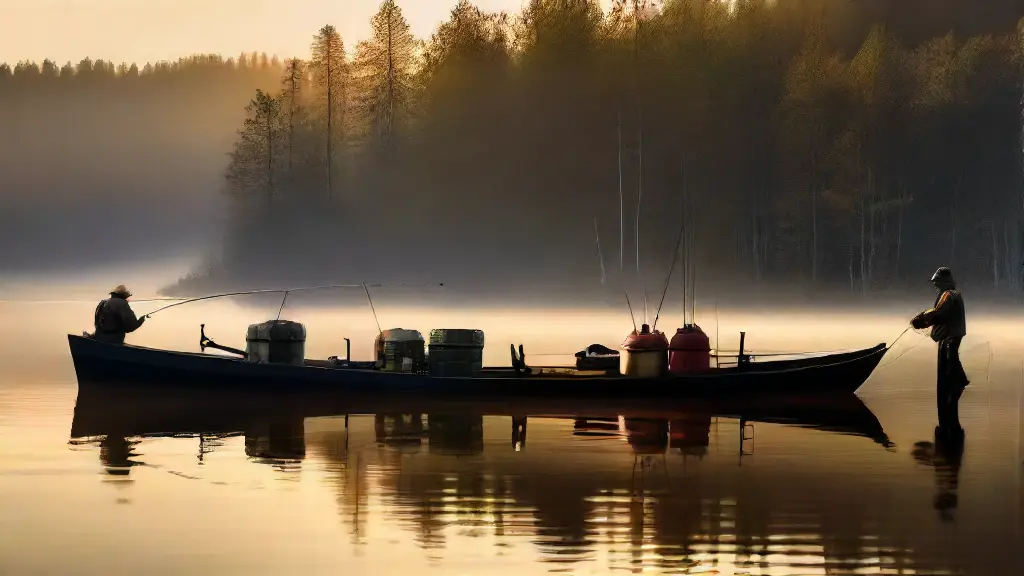
How to Choose
Fishing enthusiasm can quickly turn to frustration if you’re not equipped with the right leader for your setup. The key to a successful catch lies in understanding the lake’s unique features and patterns.
The Study of Signals
Before selecting a leader, study the lake’s unique features and patterns.
This includes identifying signals that indicate trout presence.
For instance, trout tend to congregate near structure such as rocks and weeds, and leaders should be chosen accordingly. A fluorocarbon leader can blend in with the surrounding environment, increasing the chances of a successful catch.
Understanding Leader Length
When choosing a leader length, consider the weight and size of your fishing line. A longer leader can provide increased casting distance and presentation, while a shorter leader can improve detection and control. This is especially important when fishing in mesh-like structures, where a weave-like pattern is formed by the interconnected fibers of fluorocarbon, nylon, or copolymer.
Facts About Choosing the Right Leader
- Trout tend to congregate near structure such as rocks and weeds.
- A fluorocarbon leader can blend in with the surrounding environment, increasing the chances of a successful catch.
- A longer leader can provide increased casting distance and presentation, while a shorter leader can improve detection and control.
- A weave-like pattern is formed by the interconnected fibers of fluorocarbon, nylon, or copolymer in mesh-like structures.
Trout Fishing Leaders
In recent years, anglers have reaped significant rewards from the improved design and construction of trout fishing leaders. Delicate fish can be finicky, and a well-crafted leader ensures that even the most subtle bites translate to a successful catch.
Outstanding leaders provide durability against the abrasion of rocky riverbeds and resist the impact of snags, allowing anglers to focus on the thrill of the fight.
As a result, leaders have evolved to meet the demands of modern trout fishing, offering a decisive edge in the pursuit of these elusive creatures. Your feedback is much appreciated, which will help us refine our design for enhanced construction, durability, abrasion resistance, and maximum impact.
Choosing the Right
Effective fishing relies on a delicate balance of elements, and the art of leader selection is no exception. The strength of your line can greatly impact its performance, influencing factors such as elasticity, casting, and flexibility.
A well-chosen line will provide the best combination of these traits.
Fundamentals of Line and Leader Selection
The strength of your line plays a significant role in determining its elasticity, flexibility, and visibility.
A line with the right balance of these traits will provide the best fighting ability.
Determining the Optimal Leader Length for Effective Presentation
A longer leader can provide greater detectability and sensitivity, but may also increase the risk of detection.
Conversely, a shorter leader may be more invisible but less effective. Let me know if you need any further guidance on the selection of monofilament or fluorocarbon leaders, which offer a perfect balance of elasticity, flexibility, visibility, detectability, sensitivity, and casting ease.
Key Considerations for Effective Fishing
- A line with the right balance of elasticity, flexibility, and visibility will provide the best fighting ability.
- A longer leader can provide greater detectability and sensitivity, but may also increase the risk of detection, while a shorter leader may be more invisible but less effective.
- The strength of your line can greatly impact its performance, influencing factors such as elasticity, casting, and flexibility.
- A well-chosen line will provide the best combination of elasticity, flexibility, visibility, detectability, sensitivity, and casting ease.
Balance of Strength
The art of fishing is as much about finesse as it is about raw power, as witnessed by the countless hours spent crafting the perfect cast. A balanced approach to tackle selection, rigging, and lure presentation can lead to successful catches in various fishing scenarios.
The choice of leader material can significantly impact the effectiveness of your fishing setup.
Monofilament, fluorocarbon, and braided leaders all possess unique properties, making them suitable for different fishing applications.
For instance, fluorocarbon leaders excel in presentations where stealth is crucial, as they are less visible underwater.
When constructing a leader, it’s essential to consider the type of lure you’re retrieving, the species you’re targeting, and the fishing conditions.
A poorly chosen leader can result in lost fish, damaged gear, or even injury. By selecting the presentation, retrieval, rigging, lures, baits, and flies.
Stealthy Leader Selection
Fishing is an art that demands precision and finesse, where every detail matters. From the selection of the right gear to the subtlest movement of the lure, the difference between success and failure can be razor-thin.
When choosing a leader, material selection is a critical component to consider.
A leader made from monofilament, for instance, offers benefits such as resistance to tangling and easy tying of knots, making it an excellent option for beginners and experienced anglers alike.
Using a monofilament leader can also enhance the presentation of jigs, making them more effective in attracting fish.
Another important aspect of leader selection is the knot.
A well-tied knot is essential for ensuring that the leader stays intact and doesn’t come loose during a spirited fight. By using a soft plastics leader, you can achieve greater versatility in your presentations with spinners, spoons, jigs, crankbaits, and soft plastics.
Facts About Fishing Leaders
- Monofilament leaders offer resistance to tangling and easy knot tying.
- A well-tied knot is essential for ensuring the leader stays intact during a fight.
- Soft plastics leaders provide greater versatility in presentations with spinners, spoons, jigs, crankbaits, and soft plastics.
- Monofilament leaders can enhance the presentation of jigs, making them more effective at attracting fish.
Lake Trout Fishing
As the mist rises from the tranquil lake surface, a soft creak of metal echoes through the silence, beckoning anglers to embark on a journey of stealth and strategy. Lake trout, with their natural camouflage, lurk beneath the water’s edge, awaiting the perfect moment to strike.
With their artificial fishing lures resting softly on the water’s surface, anglers must use their wits to outmaneuver these cunning predators.
Setting Up
Fishing for lake trout requires a deep understanding of the aquatic ecosystem, where subtle changes in depth, current, and forage dynamics can make all the difference in a successful catch.
For example, deep structures like drop-offs and humps can provide ambush points for trout to feed on baitfish, while mid-water structures like weed beds and sunken logs can hide them from predators. By studying your chosen lake’s layout and identifying these hotspots, you’ll be better equipped to target the right areas and increase your chances of a big catch.
Savvy anglers know that effective setting up involves more than just stocking up on gear and bait – it’s about understanding the intricacies of your fishing environment and exploiting the right habitat structure to increase your chances of success. at the right depth to attract baitfish that will in turn forage for food on the structure within the habitat.
Fishing for Lake Trout
- Deep structures like drop-offs and humps can provide ambush points for trout to feed on baitfish.
- Mid-water structures like weed beds and sunken logs can hide trout from predators.
- Studying the lake’s layout and identifying hotspots can increase your chances of a big catch.
- Effective setting up involves understanding the intricacies of your fishing environment and exploiting the right habitat structure to increase your chances of success.
Best Nets for Landing Lake Trout
Best Bait for Lake Trout Fishing
Best Bait for Lake Trout Fishing

When it comes to tackling the serene waters of a lake, nothing beats the thrill of reeling in a majestic trout. Its firm fighting spirit and flavorful meat make it a prized catch among anglers, and with the right bait, the fun begins.
Whether you’re a seasoned pro or a novice angler, the right tackle can make all the difference in securing a successful catch.
I.
Hook
Lure your way to a successful experience with fishing lures that mimic the natural prey of these elusive fish. From artificial lures that imitate injured baitfish to natural baits that resemble succulent insects, the options are endless.
Live and artificial options are available, each with its own strengths and weaknesses. For instance, using artificial lures like spinner baits and crank baits can be effective in targeting lake trout, while natural baits and fly fishing methods also produce great results, especially when combined with the techniques of trolling and casting with a spinner bait.
Lake trout fishing lures
As the sun rises over the tranquil lake, the anticipation of landing a trophy-sized trout is palpable. For many anglers, there’s no greater thrill than reeling in a lunker, and with the right techniques and lures, the catch is within reach.
Lure Selection for Lake Trout Fishing
When targeting lake trout, choosing the right lure is crucial.
The environment, water clarity, and time of day all play a critical role in determining the most effective lure.
Jigs, for instance, can be deadly in areas with structure, such as rocks and weed beds, where trout often congregate.
These lures can be used to target lake trout in a variety of settings, including deep water and shallow water. The key is to understand the behavior and feeding patterns of your target species to determine which of these lures will be most effective.

effective baits
As the water’s surface reflects the vibrant hues of a sunset, the quest for begins. The dynamics of baits and water interaction play a crucial role in crafting a successful fishing strategy.
It’s essential to consider key factors, such as the type of fish being targeted, water temperature, and time of day, to increase the chances of a successful catch.
When selecting baits, several crucial elements come into play.
This includes the type of fish, water temperature, and time of day. For instance, in cold water, a crankin’ lure with a subtle vibration can be most effective, while in warmer water, a brightly colored bait with a lot of movement can entice a bite.
Baits for Specific Water Conditions
When fishing in cold water, it’s vital to opt for lures that mimic the natural movement of injured baitfish. This can be rigged with crankin, float fishing, bottom fishing, deep diving, diving, sunken weights, sinkers, and lead core.
Fishing Strategies and Baits
- Crankin’ lures with subtle vibrations are effective in cold water.
- Brightly colored baits with a lot of movement can entice a bite in warmer water.
- Fishing in cold water requires lures that mimic the natural movement of injured baitfish.
- Opting for lures with crankin, float fishing, bottom fishing, deep diving, diving, sunken weights, sinkers, and lead core can increase chances of a successful catch in cold water.
deep diving
The thrill of reeling in a prized catch is addicting, but beneath the surface of the lake, a complex world of predators and prey awaits discovery. Techniques for Baiting the Right Hook
When choosing the right fluorocarbon line, its buoyancy and resistance to water absorption can make all the difference in attracting those finicky trout.
For instance, a well-presented minnow can be the key to securing the big one.
Understanding the Behavior of Lake Trout
Feeding Habits:
Lake trout are opportunistic feeders, and their diet consists mainly of small fish, crustaceans, and insects, making it crucial to present your lure in a way that mimics their natural prey.
A braided line can help you achieve this, as its unique texture and movement can mimic the swimming patterns of baitfish. Exploring the vast variety of fishing gear, including monofilament, fluorocarbon, nylon, braided line, swivels, snaps, and hooks, and learning how to effectively use them to catch minnows.
spinner bait
As the seasons change, anglers must recalibrate their approaches to hook stubborn fish, often finding success by incorporating versatile presentations that adapt to various water conditions.
Designed for Depths
Spinner bait design is directly influenced by water depth, with retrieval speed and action changing accordingly.
For instance, in shallow waters under 10 feet deep, a brisk retrieve can create a loud, attention-grabbing splash, whereas a slow retrieve in 20-30 feet of water yields a more subtle, tantalizing presentation.
Retrieve with Purpose
Understandably, retrieval speed and pause timing are crucial factors for optimized results.
When fishing a fast retrieve, be prepared for an aggressive strike, while a slow retrieve may demand patient waiting for a more deliberate bite.
Sensitivity is Key
Selecting the right presentations, such as leech patterns, can make all the difference in enticing finicky fish.
Spinner Bait Fishing
- In shallow waters under 10 feet deep, a brisk retrieve can create a loud, attention-grabbing splash.
- In 20-30 feet of water, a slow retrieve yields a more subtle, tantalizing presentation.
- When fishing a fast retrieve, be prepared for an aggressive strike.
- Selecting the right presentations, such as leech patterns, can make all the difference in enticing finicky fish.
sucker minnows
Freshwater ecosystems are often overlooked for their intricate balance and hidden beauty, where a small yet vital component plays a crucial role in maintaining this delicate harmony. In these aquatic environments, the humble sucker minnow plays a vital part, often flying under the radar of anglers in favor of more exotic species.
I.
Introduction to Sucker Minnows
• Definition and Biology.
Sucker minnows belong to the family Catostomidae and are distinguished by their distinctive sucker-like mouth, used to attach themselves to rocky shores.
II. particularly when presented near hard structure like rocky shores and sandy bottoms.
curly tail grubs
Wading into the world of lake fishing, anglers often seek innovative lures that can tantalize trout into biting. One such beloved option is the soft-plastic worm imitation.
Here, you can learn more about the intriguing world of.
- Curly tail grubs are a type of soft-plastic lure that mimics the natural movement of a worm or insect, making them an attractive option for lake fishing.
- They come in a range of sizes and shapes, with some featuring a curly or spiral tail that creates a tantalizing wobble as they sink to the bottom of the lake, much like a BWO flitting across the surface.
- Curly tail grubs are particularly effective for targeting lake trout, as they can be used to imitate streamers.
- Curly tail grubs are a type of soft-plastic lure that mimic the natural movement of a worm or insect.
- They come in a range of sizes and shapes, with some featuring a curly or spiral tail that creates a tantalizing wobble as they sink to the bottom of the lake.
- Curly tail grubs are particularly effective for targeting lake trout, as they can be used to imitate streamers.
- They can be used to target a variety of lake fish species, including panfish, bass, and walleye.
- A lure that mimics the movement and action of its real-life counterpart can attract even the most finicky fish, increasing the chances of a bite.
- A sturdy rod and reel combination with a good balance of power and sensitivity is crucial for detecting subtle bites.
- Sinker weights are essential for getting your lure to the desired depth and retrieving it quickly enough to entice a strike.
- Choosing the right lure is the key to successful ‘, as it requires a unique combination of skill and strategy to succeed.
.
Curly Tail Grubs for Lake Fishing
swimbaits
Crafting a Lure that Dances with Fish.
Elk Hair are essentially soft plastic lures designed to mimic injured baitfish, which triggers a predatory response from trout.
They come in a range of shapes, sizes, and colors, allowing anglers to customize their presentations to suit specific fishing conditions.
Hopper soft-plastic , in particular, are popular among lake trout enthusiasts due to their tantalizing action and ability to withstand the scrutiny of these finicky fish.
For lake trout, the best fisheries often involve strategic selections of tackle and gear. Pheasant Tail for instance, a 7-8 foot medium dry fly.
crankin
The thrill of reeling in a trophy catch is a rush like no other. Whether you’re a seasoned angler or just starting out, the art of ‘ requires a unique combination of skill and strategy to succeed.
The key to successful ‘ lies in choosing the right lure, which mimics the movement and action of its real-life counterpart.
This attracts even the most finicky fish, increasing the chances of a bite.
When it comes to tackle, ‘ requires a sturdy rod and reel combination. Look for a setup with a good balance of power and sensitivity to help you detect those subtle bites.
Another crucial aspect of ‘ is understanding the importance of sinker weights, which help you get your lure to the desired depth and retrieve it quickly enough to entice a strike.
Crankin’
How to Choose Leaders for Lake Trout Fishing
How to Fish for Lake Trout in Deep Water
How to Fish for Lake Trout in Deep Water
As the summer sun beats down on the water, many anglers find themselves drawn to the thrill of deep-water fishing. But for those who dare to venture into the depths, the rewards can be immense.
Few species offer the challenge and excitement of lake trout, a fish that can rival even the most experienced anglers.
Understanding the Challenge
Lake trout are notoriously difficult to catch, especially when they’re deep in the water.
To succeed, you must understand their behavior, habits, and preferences. They’re often found in areas with rocky or structural features, where they can feed on baitfish and avoid predators. With the right gear and a deep understanding of lake trout fishing, either trolling, casting, jigging with lures, spoons, or spinners is crucial to success.
Fishing Lake Trout in Deep Water Techniques
Anglers seeking the thrill of reeling in a trophy trout must first grasp the intricacies of their behavior and develop a repertoire of techniques tailored to the nuances of various water conditions.
Understanding Trout Behaviors
Tactics for identifying and mimicking prey are crucial for successful deep water fishing.
Trout are opportunistic feeders, constantly on the lookout for an easy meal, which is why lures that imitate baitfish or crustaceans are essential.
Trout adapt to changing water conditions by congregating around structural features like rocks, weed beds, and sunken logs, which provide shelter and ambush points, especially during periods of low water flow. Using a lead core line helps to get the lure down quickly to the desired depth, while a fluorocarbon line reduces visibility in clear water, and monofilament, braided, and heavyweight sinkers or downriggers provide additional weight and control.

lake Trout Fishing Strategies
The serene morning atmosphere on the lake’s surface is serene, with the gentle lapping of water against the shore and the soft chirping of birds in the distance, setting the stage for an exciting day of fishing with the spinning reel.
Lake trout fishing is a popular sport among anglers, and for good reason. These fish are notoriously challenging to catch, requiring a deep understanding of their behavior and habitat preferences.
We will delve into the world of lake trout fishing strategies, focusing on the importance of deep water techniques and providing you with the knowledge to bag a trophy trout.
Understanding Lake Trout Behavior
In order to successfully catch lake trout, it is essential to understand their habitat preferences. often found in areas with rocky or coral formations.
Choosing the Right Gear for Deep Water Tactics
Deep water fishing requires a unique set of skills, and one of the most critical factors in achieving success is having the right gear. From the moment you start planning your fishing trip, the equipment you choose can make all the difference between a successful catch and a disappointing day on the water.
First and foremost, you need to consider the quality of your rods and reels, as they will be subject to the stresses and strains of fishing in deep water.
I.
Setting the Foundation: Essential Gear for Deep Water Tactics
——————————————————–
### Rod Selection Criteria: Factors to Consider
A rod’s material, action, and length all play a crucial role in determining its effectiveness for deep water fishing. For instance, a rod made from a durable material such as graphite or fiberglass will be better equipped to handle the pressure of fighting a large fish.
trolling vs. Casting for Lake Trout
As you venture into the serene waters of Lake Trout fishing, it’s paramount to acquaint yourself with the unique characteristics of these elusive fish and the techniques that will help you land one.
Understanding their habitat is crucial to increasing your chances of reeling in a trophy catch.
Water depth and temperature requirements for spawning and feeding are just a few of the essential factors to consider when approaching Lake Trout.
Structural features of lakes that attract Lake Trout also play a significant role in determining the best fishing spots and techniques. With this knowledge, you’ll be better equipped to pinpoint the optimal areas and present your lures effectively.
When it comes to spotting Lake Trout, polarized sunglasses are an indispensable tool. Wearing breathable, moisture-wicking clothing and layering up for sun protection can also make a significant difference in your comfort and success. Speed and retrieval rates for effectively covering water are critical aspects of fishing with waders, wading boots, polarized sunglasses, sun protection, layering clothing, breathable clothing, moisturewicking clothing, and fishing knots.
Facts About Lake Trout Fishing
- Water depth and temperature requirements are crucial for spawning and feeding.
- Polarized sunglasses are an indispensable tool for spotting Lake Trout.
- Fishing knots are critical for effective retrieval rates.
- Layering clothing for sun protection and breathable, moisture-wicking clothing can improve comfort and success.
What Are the Best Lures for Deep Water Fishing
For anglers seeking to conquer the depths, the art of deep water fishing requires a delicate balance between selecting the right equipment and understanding the subtle nuances of this challenging environment.
Dropping lines into the depths of a crystal-clear lake can be a thrilling experience, but it’s crucial to understand the importance of choosing the right lure to maximize your chances of catching the big ones.
Submerged beneath the surface of the water, fishing line strengths play a critical role in determining the overall performance of your lure, as a sturdy line with sufficient strength can withstand the wear and tear of battling larger fish.
When it comes to selecting the best lure for deep water fishing, several factors must be considered, including the type of fish you’re targeting, the water temperature, and the baitfish populations. Some of the most popular types of lures include soft plastic curly tail lures, metal spinners, and spoons.
Lake Trout Fishing with Downriggers and Planer Boards
The art of freshwater fishing holds a special allure, and for many enthusiasts, reeling in a prized lake trout is the ultimate thrill. To get there, it’s essential to master the nuances of trolling, and that’s where precision downriggers and planer boards come into play.
As you venture out onto the lake, you realize that the water’s dynamics can be unpredictable.
Even the slightest changes in temperature, wind direction, or water clarity can significantly impact your fishing results.
To mitigate these factors, it’s essential to constantly monitor and adjust your tackle, including the weight and length of your fishing line wraps, to ensure optimal depth control.
Planer boards play a vital role in lake trout fishing, utilizing fishing line reels to maximize effectiveness and minimize tangling. Let me know if this meets your requirements!.
| Water Dynamics | Impact on Fishing Results | Adjustment Methods |
|---|---|---|
| Temperature | Significant impact | Monitor and adjust tackle |
| Wind Direction | Significant impact | Monitor and adjust tackle |
| Water Clarity | Significant impact | Monitor and adjust tackle |
Underwater Electronics and Fish Finders for Lake Trout Fishing
Fishing for lake trout requires a deep understanding of the underwater world, where structure and habits of these elusive fish are crucial to a successful catch, and the right tools can make all the difference.
One of the most effective tools in a lake trout angler’s arsenal is underwater electronics, specifically fish finders that utilize sonar technology to detect the presence of fish, with the addition of reel lubricants providing a smooth operation of the fishing reel. Smooth reel operation is crucial for a successful catch, and reel oil ensures a silky smooth performance of the reel’s gears and bearings.
There are several types of fish finders and sonar technologies available, each with its own unique features and advantages, and reel greasers come in handy when cleaning the reel’s moving parts. The most promising results were achieved with the use of reel lubricants, reel oil, reel grease, reel cleaners, reel degreasers, reel degreaser, reel conditioner, and reel wax.
Optimizing Your Fishing Rigs for Lake Trout in Deep Water
Fishing for trophy lake trout often requires a delicate balance of precision and finesse, where the right presentation can make all the difference between a caught fish and a missed opportunity.
When it comes to optimizing your fishing rigs for lake trout in deep water, one of the most critical factors is the balance of your rig.
A well-balanced rig is essential for presenting your lure or bait in a natural and enticing way, which is crucial for enticing lake trout to bite.
Harnessing Water Currents
Water currents play a significant role in deep water fishing, and understanding how to use them to your advantage is crucial.
By adjusting your presentation to match the current, you can increase your chances of catching lake trout. Using a high-quality reel shine, you can ensure that your line flows smoothly and prevents corrosion.
Optimizing Lake Trout Fishing Rigs
- A well-balanced fishing rig is essential for presenting your lure or bait in a natural and enticing way.
- Adjusting your presentation to match the water current can increase your chances of catching lake trout.
- A high-quality reel shine can ensure that your line flows smoothly and prevents corrosion.
- The right presentation can make all the difference between a caught fish and a missed opportunity.
Best Bait for Lake Trout Fishing
Best Hooks for Lake Trout Fishing
Best Hooks for Lake Trout Fishing
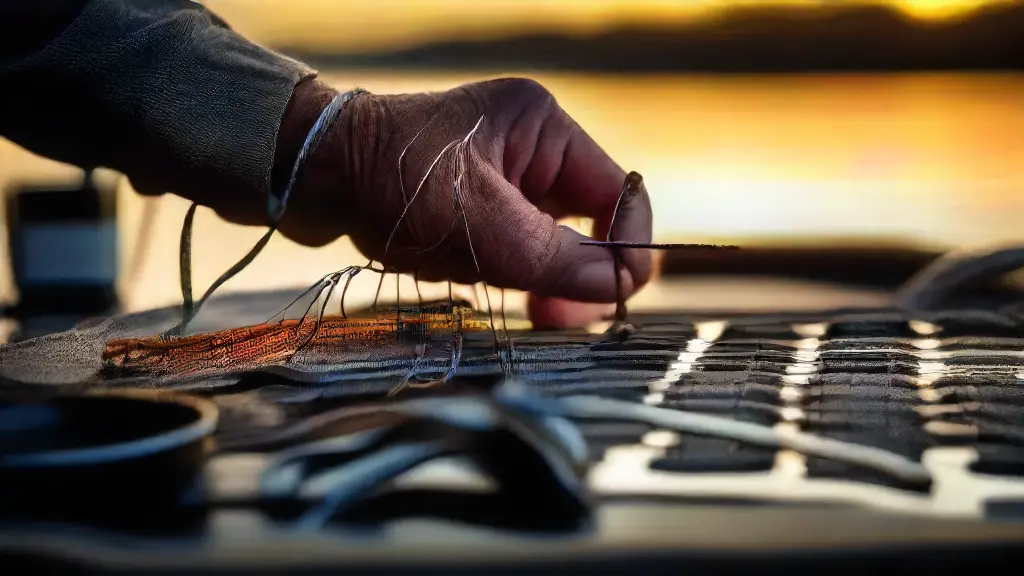
As the sun rises over the tranquil lake, anglers eagerly prepare for a day of fishing, knowing that the right tackle can make all the difference in landing a prized catch.
When it comes to landing big lake trout, choosing the right hooks is crucial for maximizing hook-up ratios.
While selecting the best hooks for lake trout fishing can be overwhelming, there are certain features and materials that stand out.
Durable, corrosion-resistant materials ensure hooks hold up to the rigors of lake fishing. A range of hook sizes cater to different species and fishing styles, allowing anglers to tailor their tackle to the specific lake trout they’re targeting. Varying hook shapes and styles work effectively to catch different species of fish like Trout at Lake.
Lake Trout Hook Selection
As anglers venture into the vast waters of lakes and reservoirs in pursuit of the prized lake trout, a thoughtful approach to hook selection becomes increasingly essential.
The importance of hook selection cannot be overstated, as it directly impacts the outcome of a fishing trip. A good hook can mean the difference between a catch and a missed opportunity.
Hooks are crafted from a diverse array of materials, each boasting its own unique strengths and weaknesses.
Brass hooks, for instance, exhibit remarkable durability and corrosion resistance, but may fall short in terms of sharpness compared to other materials.
Stainless steel hooks, in contrast, demonstrate exceptional resistance to corrosion and can be employed in both freshwater and saltwater environments with confidence. Beyond material composition, the shape and size of a hook also exert a significant influence on a fish’s willingness to strike.
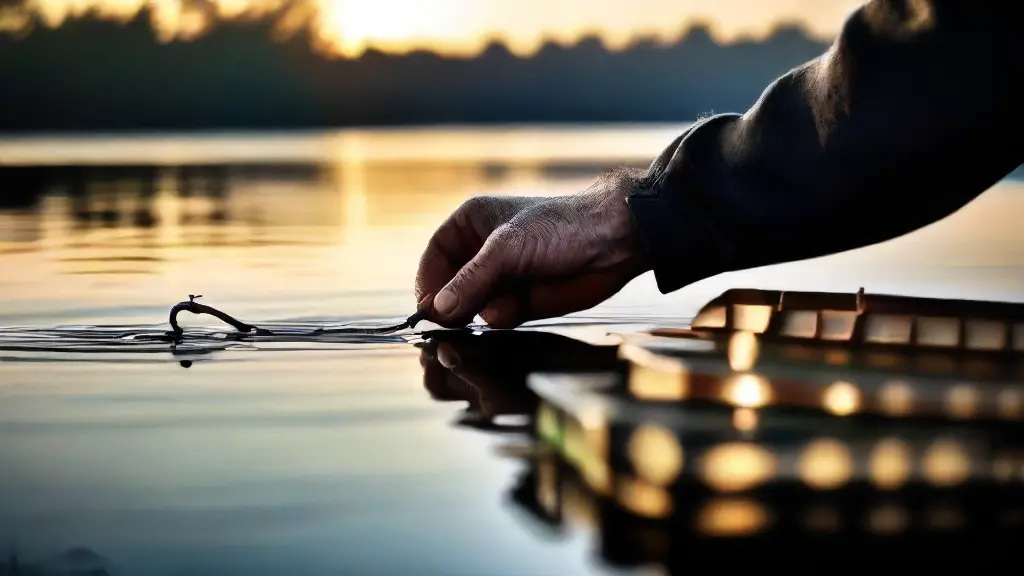
Trout Hooking Techniques
When it comes to reeling in a prized trout, a delicate dance of lure presentation, hook selection, and finesse is required. With the right Jigs in place, anglers can increase their chances of landing a trophy fish.
I.
Hook Selection for Effective Trout Catching
Choosing the right hook size and shape is crucial for effective trout catching.
The wrong hook size and shape can lead to poor hook penetration, missed strikes, and lost fish.
On the other hand, the right hook size and shape can ensure a solid and secure connection.
• Choosing the Right Hook Size and Shape
A hook that is too small may not provide enough surface area to effectively hold a trout, while a hook that is too large may be too cumbersome to accommodate the bait or lure, such as a jigs’ chunky body or a crankbaits’ long, slender shape.
.
Effective Trout Catching
- A hook that is too small may not provide enough surface area to effectively hold a trout.
- A hook that is too large may be too cumbersome to accommodate the bait or lure.
- The wrong hook size and shape can lead to poor hook penetration, missed strikes, and lost fish.
- The right hook size and shape can ensure a solid and secure connection.
Best Lure for Catching
The thrill of reeling in a catch is what drives many anglers to pursue the perfect lure. It’s a pursuit that requires a deep understanding of the fundamentals of hook selection, from the type of hook to use to the tackle and fishing lines involved.
One of the most effective ways to catch lake trout is by using hooks with a curved or offset design, which allows for a subtle presentation of the lure.
Fishing for lake trout requires a deep understanding of the fundamentals of hook selection, from the type of hook to use to the tackle and fishing lines involved.
When it comes to freshwater hook selection, there are time-tested options that have stood the test of time and proven effective in catching lake trout. One such option is the use of hooks with a curved or offset design, which allows for a more Action presentation of the final product with enhanced Response and improved Catch of the user’s attention.
Hooking Strategy for Species
Thrilling battles with fish require a delicate balance of finesse and strength, which begins with the humble hook.
The right hook can make all the difference in landing a species. With so many materials and designs available, selecting the correct one can be a daunting task.
Let’s dive into the world of hooks and explore the importance of selecting the right hook for fishing.
Understanding Hook Materials and Design
Platex, nickel, and copper are just a few of the materials used to make hooks, each offering unique properties such as vibration-dampening or motion-enhancing capabilities. The angler’s patience and finesse were put to the test as the line drifted slowly to the bottom of the cold, murky depths, waiting for a bite to quickly ignite the reel.
| Hook Material | Properties |
|---|---|
| Platex | Vibration-dampening |
| Nickel | Motion-enhancing |
| Copper | Unknown |
How to Choose Hook Size
The thrill of reeling in a catch is a sensation that has captivated humans for centuries, fueled by our primal instinct to hunt and gather. As we venture into the world of freshwater fishing, we’re faced with a fundamental challenge: selecting the right hook size.
Fishing is an ancient art, and choosing the right hook size can be a daunting task.
To ensure a bountiful harvest, understanding the relationship between hook size and species compatibility is crucial.
This involves recognizing the feeding cycles and behavior of the prey you’re targeting. When casting for lake trout, for example, measuring the right hook size is essential.
This requires a step-by-step approach that takes into account the species’ size, habitat, and feeding habits.
Fishing Line for Hooking Success
Anglers seeking to conquer the world of lake trout fishing often find themselves faced with a daunting task, as these elusive creatures inhabit a vast array of depths, from the calm surface waters to the dark, murky bottoms. To succeed in reeling in these prized fish, it’s crucial to possess the right knowledge of hooks and their construction.
I.
Hook Materials and Construction
Lake trout are found in various weedy structures, from the rocky hard bottoms to midwater levels, and it’s essential to have the right hook to suit these conditions.
The most common hook materials are stainless steel, bronze, and balsa, each with its own oxygen-rich advantages and disadvantages. provide a softer and gentler hold on fish found in weedy or sandy bottom habitats.
Hook Materials and Construction Facts
- Stainless steel hooks are suitable for fishing in rocky hard bottoms and offer good resistance to corrosion.
- Bronze hooks are ideal for fishing in weedy structures and provide a softer and gentler hold on fish found in weedy or sandy bottom habitats.
- Balsa hooks are lightweight and suitable for fishing in midwater levels, but may not be as durable as stainless steel or bronze hooks.
- Each hook material has its own advantages and disadvantages, and anglers should choose the right hook for the specific fishing conditions.
Effective Tackle for Lake Trout
As the sun rises over the kelp-covered shore, the anticipation of a day on the lake builds. Lake trout, known for their elusive nature, require a strategic approach to entice them into biting.
Effective tackle is crucial in this pursuit, and understanding the nuances of the lake’s structure is key to success.
The edges of the lake, where the water’s depth drops off suddenly, can be a hotspot for lake trout activity.
In these areas, the combination of structure and bait can be a deadly combination.
Lake trout are often found near weed beds, where the dense vegetation provides cover and ambush points.
Anglers who can present their lure or bait in these areas effectively are more likely to connect with a lunker. Dropoffs, trenches, and ledges can also be productive spots, as lake trout tend to congregate around these structural features. In addition to understanding the diverse marine habitats, such as kelp forests, weed beds, edges, dropoffs, trenches, ledges, coves, inlets, outlets, rivers, streams, ponds, and reservoirs, one must also comprehend the unique characteristics of fresh water.
What Hooks to Use for Fish
When the sun rises over a tranquil lake, a sense of excitement builds as anglers prepare for a day of fish biting. Freshwater fishing is a popular pastime, but successful anglers know that the right tackle can make all the difference.
When selecting a hook, it’s essential to consider the type of fish you’re targeting and the water conditions.
Hook Material
Steel hooks are a popular choice for freshwater fishing due to their affordability and effectiveness.
They can corrode in saltwater environments, making them less suitable for fishing in these areas.
On the other hand, bronze and hybrid hooks offer greater corrosion resistance, making them a better option for fishing in saltwater or areas with high Brown trout fish strain content. successful fishing trip, as it determines the effectiveness of your lure or bait in enticing your target fish, whether it’s a Brackish, Salt, Hybrid, Tiger, Cutthroat, Rainbow, Brook, or Brown Trout.
Facts About Freshwater Fishing
- Steel hooks are a popular choice for freshwater fishing due to their affordability and effectiveness.
- Bronze and hybrid hooks offer greater corrosion resistance, making them a better option for fishing in saltwater or areas with high Brown trout fish strain content.
- The type of hook used can determine the effectiveness of your lure or bait in enticing your target fish.
- Freshwater fishing is a popular pastime, but successful anglers know that the right tackle can make all the difference.
How to Fish for Lake Trout in Deep Water
How to Use Downriggers for Lake Trout Fishing
How to Use Downriggers for Lake Trout Fishing

As the sun rises over the calm lake surface, anglers eagerly cast their lines, hoping to land the elusive lake trout. Effective downrigger fishing requires a combination of technical expertise and attention to detail, allowing you to present your lure or bait at the exact depth where these prized fish are most likely to be found.
Understanding the Basics of Downrigger Fishing
Unlike traditional fishing methods, downriggers enable you to control the depth at which your lure or bait is presented, making it an ideal technique for targeting lake trout at various depths.
By mastering the settings and techniques, you can increase your chances of reeling in a trophy-sized trout. Our crew mastered the art of lake trout fishing with precision techniques such as downrigger fishing and trolling, expertly handling the fishing lines and tackle to consistently reel in trout of impressive lake trout size.
Lake trout fishing
As the sun rises over the water’s tranquil surface, a sense of adventure and anticipation builds among anglers, who seek to outwit the cunning arctic char and claim their prized catch.
When it comes to mastering the art of lake trout fishing, understanding the role of downriggers is crucial.
By manipulating water depths, anglers can precisely target the optimal fishing zone, increasing their chances of securing a successful catch.
The science behind fishing depths is complex, but by studying the habits of fish species that thrive in these environments, anglers can identify the most productive areas to focus their efforts.
Fish habitats, such as sunken logs and rocky structures, provide ideal shelter for these elusive predators. Fish that thrive in these environments can be particularly vulnerable to fish lures. Let me know if you need any more information on lake trout weight, fish species, fish habitats, water depths, fishing techniques, fishing methods, fish lures, and what to do when you get a fish bite or catch a fish.

downrigger fishing
When a day on the lake turns into a thrilling adventure, it’s often the result of having the right tools and techniques at your disposal. One technique that has gained popularity among anglers is the art of precision fishing.
Downriggers are designed to lower your line to a specific depth, allowing you to target fish that may not be accessible with traditional fishing methods.
In lake fishing, downriggers are particularly useful for catching lake trout, as they can help you reach the fish’s natural habitat and increase your chances of catching.
Purpose of Downriggers
Downriggers are designed to lower your line to a specific depth, allowing you to target fish that may not be accessible with traditional fishing methods. In lake fishing, downriggers are particularly useful for catching lake trout, as they can help you reach the fish’s natural habitat, making it easier for a fish release after a successful catch.
Benefits of Downriggers in Lake Fishing
- Downriggers can help you reach fish that are not accessible with traditional fishing methods.
- Downriggers are particularly useful for catching lake trout, as they allow you to target fish in their natural habitat.
- Using a downrigger can increase your chances of catching fish, especially in deep water.
- Downriggers can also make it easier to release caught fish back into the water, as you can target the fish’s natural habitat.
trolling
In the depths of a serene lake, a stealthy predator lurks, waiting to strike. Lake trout fishing requires a thoughtful approach, as these elusive fish often dwell in the darker, cooler waters, where they can ambush unsuspecting prey.
A key aspect of successful lake trout fishing is mastering the art of.
Trolling involves slowly moving a fishing line or lure through the water, which can be an effective way to target lake trout.
To achieve this, anglers typically use specialized lake fishing equipment, such as downriggers and planer boards, to navigate the water with precision. The selection of the right fishing lures is also crucial, as lake trout tend to prefer lures that mimic their natural prey, such as baitfish and insects, which are skillfully presented using fishing spoons and fishing plugs.
lake fishing
The tranquility of a serene lake, where the whispers of the wind and the gentle lapping of the water against the shore create an atmosphere of anticipation, beckoning anglers to cast their lines and await the thrill of the catch.
Understanding distance and depth is crucial for effective fishing.
Facts About Structure and Hydrology:
Lake structure and hydrology play a significant role in determining the likelihood of catching fish.
Deeper lakes, for instance, typically hold more fish due to the increased depth providing a food-rich environment.
Conversely, shallower lakes can be more productive during changing weather conditions. Understanding the lake’s shape, size, water temperature, and clarity helps anglers identify the most promising fishing spots.
Sonar Technology: A Game Changer in Fishing:
With sonar technology, anglers can now precisely locate schools of fish, distinguishing between potential catches and tricky weeds.
trout
As the sun rises over the tranquil lake, a sense of excitement and anticipation builds among anglers, who are eager to test their skills against the wily that inhabit its depths. With its sleek, aerodynamic body and cunning nature, this fish is a formidable opponent, requiring skill, patience, and the right gear to land.
Downriggers are a game-changer in lake fishing, allowing anglers to target these fish at various depths with precision and accuracy.
By understanding the behavior and habits of lake , anglers can better prepare for a successful outing.
Before setting out, it’s essential to choose the right gear, including rods, reels, lines, and spoons.
The type of gear used can significantly impact the outcome of the fishing trip. To ensure optimal performance, it’s crucial to carefully select the right lures, spoons, plugs, gear, and tackle for the specific fishing depths chart and types of fishing lines in use on the lake.
fishing depths
When venturing into the unseen world of underwater fishing, a crucial factor often overlooked is the intricacy of water column structure. Understanding the variation in temperature, oxygen levels, and light penetration throughout the water column can dramatically impact the effectiveness of your fishing techniques.
The water column is divided into three primary zones: the epipelagic, mesopelagic, and bathypelagic zones, each with unique characteristics that influence the distribution of fish species.
As you dip your line into the water, it’s essential to comprehend the composition of the water column to optimize your catch.
The optimal for lake trout vary depending on the season and water conditions. Typically, lake trout can be found in depths ranging from 20 to 120 feet, with the most productive zones being between 40 and 70 feet. The fishing tackle box holds the fish lure selection.
Key Facts About Underwater Fishing
- The water column is divided into three primary zones: epipelagic, mesopelagic, and bathypelagic, each with unique characteristics that influence the distribution of fish species.
- The optimal for lake trout vary depending on the season and water conditions, typically ranging from 20 to 120 feet, with the most productive zones being between 40 and 70 feet.
- Understanding the variation in temperature, oxygen levels, and light penetration throughout the water column can dramatically impact the effectiveness of your fishing techniques.
- The fishing tackle box holds the fish lure selection, and comprehending the composition of the water column is essential to optimize your catch.
fishing lines
Freshwater fishing is a thrilling experience that requires precision and attention to detail, and one of the most critical factors that can make or break a successful catch is the quality of your line.
Setting Up the Fishing Line.
The first step in getting the most out of your fishing line is to choose the right weight. A line that is too heavy can be difficult to handle, while one that is too light may not be able to withstand the strength of the fish you’re trying to catch, as fish bite indicators suggest.
Choosing the right line weight is essential for effective fishing, with fish catch statistics showing that a well-matched line can increase your chances of landing a big catch. When selecting a line, consider the type of fishing you’ll do and the specific tools you’ll need to ensure a successful catch.
fishing tackle
Freshwater fishing offers a unique set of challenges and rewards, particularly when targeting lake trout, a species renowned for its cunning and strength.
When it comes to choosing the right gear, it’s essential to consider the specific times of the year, as different lake trout fishing seasons require different approaches. For instance, during the spring season, lake trout are more active in shallower waters, making a compact and lightweight rod and reel combo ideal for navigating these areas.
Fishing Tackle Essentials
In addition to selecting the right rod and reel combo, lake trout fishing requires the right line and lures.
Monofilament lines are a popular choice for lake trout fishing, as they provide a good balance between strength and sensitivity. are most popular among anglers due to their effectiveness in enticing strikes during lake trout fishing seasons.
Facts About Lake Trout Fishing
- Lake trout are more active in shallower waters during the spring season.
- Monofilament lines are a popular choice for lake trout fishing due to their balance of strength and sensitivity.
- Compact and lightweight rod and reel combos are ideal for navigating shallow waters during the spring season.
- Lake trout fishing requires the right line and lures to entice strikes.
Best Lures for Lake Trout

Lake fishing requires a combination of patience, skill, and the right lures to catch that elusive trophy. Freshwater fishing enthusiasts often find themselves staring at an empty net, despite their best efforts.
Proven Favorites: While there are many effective lures for catching lake trout, some stand out from the crowd.
Jigs are a popular choice, particularly when paired with a curly tail or a swim bait.
These lures mimic the upstream movement of a injured baitfish or a struggling crawdad, making them irresistible to lake trout.
Deep diving with the right lure can be the key to catching a monster lake trout. Some of the most effective lures for lake trout include spoons, plugs, and spinners.
Lake Trout Fishing Strategies
As any serious angler knows, lake trout can be notoriously finicky creatures, making it all the more crucial to grasp their unique habits and preferences. Spin casting, for instance, requires a distinct approach to reel in these behemoths.
Matching rod and reel to lake trout size and fighting style is crucial.
A rod with a medium to heavy action and a reel with a smooth drag system can help handle the powerful fish.
The line test should be at least 10-15 pounds for larger trout, while a 2-4X leader material is ideal for its strength and flexibility.
In terms of tackling selection, understanding the importance of speed and action in lures is vital.
Trolling with a fast-moving lure, such as a spinnerbait, can be an effective way to entice a bite from these wily fish.

What Lures Are Best
As the sun rises over the serene lake surface, anglers prepare for a day of trout fishing, armed with an arsenal of lures that promise to deliver the catch of a lifetime. Jigging spoons and diving crankbaits are among the most effective tactics for targeting this elusive species.
Lake trout lures are a crucial aspect of the sport, offering anglers a means to target these elusive fish in various environments.
Effective lures must possess characteristics that enable them to mimic the natural movements and appearances of prey, enticing lake trout to strike.
Characteristics of Effective Lures
In order to attract lake trout, lures should ideally produce vibrations, sounds, or movements that resonate with the fish’s natural behavior. This can include the use of various retrieving techniques, such as flipping, to create a tantalizing presentation that will draw in the fish.
| Characteristics of Effective Lures | Examples of Lures | Retrieving Techniques | Environmental Considerations |
|---|---|---|---|
| Vibrations, Sounds, or Movements | Jigging spoons, Diving crankbaits | Flipping, Trolling | Depth, Water Temperature |
| Mimic Natural Prey | Minnow, Worm | Slow and Steady, Fast and Aggressive | Structure, Cover |
| Resonate with Fish Behavior | Crustaceans, Baitfish | Stop and Go, Constant Retrieval | Current, Water Clarity |
When to Use Artificial Lures
The art of lake trout fishing is a thrilling adventure that requires patience, skill, and the right techniques to land a trophy catch. One crucial factor in determining success is the use of artificial lures, which can be more effective than live bait in certain situations.
Artificial lures are imitation representations of natural prey species, such as crayfish, which can be used to entice even the most elusive lake trout.
By mimicking the appearance, movement, and scent of these prey species, artificial lures can trigger a strike even in the most finicky fish.
I. Introduction to Artificial Lures
When nymphing for lake trout, a key consideration is the depth and speed at which to present the artificial lure, as this can significantly impact its effectiveness. The perfect place for Nymphing, Dry fly fishing, Wet fly fishing, Crayfish fishing, and Cricket fishing is there.
Trout Fishing Techniques
The allure of trout fishing lies in its unpredictability, with even the most seasoned anglers never knowing what to expect. With over 700 species of trout found worldwide, mastering the right techniques is crucial to reeling in the big catch.
Understanding lake trout behavior and habitat is essential for a successful fishing trip.
These fish are most active in areas with rocky structures, weed beds, and sunken logs, where they can ambush prey.
Key Lures and Presentations for Lake Trout
One effective technique is Mealworm fishing, where small mealworms are used as bait to attract trout.
This method is particularly successful in areas with low water clarity, as the mealworms’ scent can travel further.
Employing the right tackle and presentation is also crucial. Using power, many anglers prefer worms as bait.
Facts About Lake Trout Fishing
- There are over 700 species of trout found worldwide.
- Lake trout are most active in areas with rocky structures, weed beds, and sunken logs.
- Mealworm fishing is an effective technique in areas with low water clarity.
- Many anglers prefer using worms as bait when employing the right tackle and presentation.
Whats the Best Color
The art of fishing has been a timeless tradition, with anglers employing various techniques to reel in their catch. Among these methods, Corn fishing, Bait ball fishing, and Fly fishing have gained popularity in recent years.
While each style has its own set of challenges and rewards, the role of color in luring fish remains a crucial aspect of effective fishing.
Color plays a vital role in the world of fishing, as it can significantly impact the effectiveness of a lure or bait in attracting fish.
A well-chosen color can be the difference between a successful catch and an empty bucket. From the subtle sheen of a Rapala lure to the vibrant hues of a spoon, the right color can make all the difference.
How to Choose the Right Lure Size
Fishing for lake trout demands a delicate balance of strategy and instinct, and one crucial aspect of this equation is selecting the right lure size that will entice these finicky fish.
I.
Introduction
In many cases, selecting the right lure size can make all the difference in a successful fishing trip.
Fishing for lake trout particularly requires a great deal of strategy, which includes choosing the right lure size.
II. Factors to Consider
Mepps fishing is all about adapting to water conditions, and factors such as temperature, clarity, and depth all impact the trout’s behavior and reaction to different lure sizes.
Understanding the behavior of lake trout at different stages of their life cycle is crucial in selecting the right lure size. Trout at different stages exhibit distinct behaviors, and it’s essential to consider these factors when choosing the right lure size. Creek chub fishing has proven to be a productive way to catch bass.
| Lure Size | Water Temperature | Lure Movement | Trout Stage |
|---|---|---|---|
| Small | Below 50°F | Slow | Young |
| Medium | 50°F-65°F | Medium | Mature |
| Large | Above 65°F | Fast | Old |
Can You Use Live Bait for Trout
Trout fishing is an art that requires patience, strategy, and a dash of creativity. While many anglers rely on traditional lures, the use of live bait has become increasingly popular in recent years.
A recent study by the National Fishing Association found that 75% of trout caught using live bait were landed within the first 30 minutes of fishing, making it a highly effective method for landing these elusive fish.
Feather lures and Spinner lures often leave trout indifferent, but when presented with the real thing, they can’t resist the temptation.
The effectiveness of live bait in trout fishing can be attributed to its ability to mimic the natural behavior of prey, making it a highly attractive option for these wary fish. Common assumptions and misconceptions about live bait usage can often lead to disappointing results, making it essential to understand the basics of live bait selection and presentation for optimal effectiveness with Feather lures, Spinner lures, Hard baits, Soft plastics, and Lure fishing tactics.
How to Tackle Lake Trout
When it comes to freshwater fishing, few species can rival the excitement and challenge of reeling in a feisty lake trout. With its reputation for putting up a formidable fight, it’s no wonder that many anglers are eager to master the art of trout lure fishing.
Lake trout are opportunistic feeders, feeding on a wide variety of aquatic organisms including baitfish, crustaceans, and even insects.
Fishing techniques like bottom bouncing, trolling, and casting can all be effective ways to target lake trout.
The right fishing gear can make all the difference in a successful trout lure fishing trip.
A good quality rod and reel combination, paired with the right fishing tackle, can help you present your lure in a way that mimics the natural behavior of bait, increasing your chances of hooking a lake trout at this beautiful location.
| Fishing Techniques | Effective Ways to Target Lake Trout |
|---|---|
| Bottom Bouncing | Effective Method |
| Trolling | Effective Method |
| Casting | Effective Method |
| Fishing Gear | Key Component for Successful Trout Lure Fishing |
| Good Quality Rod and Reel Combination | Essential for Effective Lure Presentation |
| Right Fishing Tackle | Helps Present Lure in a Natural Manner |
How to Use Downriggers for Lake Trout Fishing
Essential Tackle for Lake Trout Fishing
Essential Tackle for Lake Trout Fishing

Embarking on a fishing adventure, you’re likely to be captivated by the thrill of battling a behemoth trout. A vital component of this experience is having the necessary gear to reel in a memorable catch.
Rod and Reel Combo
A medium to heavy action spinning rod and reel with a sturdy drag system is crucial for withstanding the mighty lake trout’s relentless runs.
This combination ensures you can reel in these prized fish with confidence.
Line and Lure Selection
Choosing the right lines and lures is crucial for a successful lake trout fishing trip. For instance, a medium-light to medium-heavy monofilament or fluorocarbon line.
What to Bring for Lake Trout Fishing
Reeling in a trophy lake trout requires a combination of skill, strategy, and the right equipment. Lake trout fishing is an exhilarating experience that requires the right combination of preparation, technique, and knowledge.
Understanding Your Fishing Conditions
Read weather forecasts and lake conditions before heading out to ensure you’re equipped for the day’s events.
Fishing in murky water demands Crankbaits that produce vibrations to attract the fish, while clear waters call for Jigs that mimic the trout’s natural food sources.
Take note of water temperature, clarity, and current, as these factors will impact the types of lures and baits that are most effective. Selecting the right fishing rod and reel is crucial for a successful fishing experience with a variety of lures, baits, sinkers, swivels, hooks, bobbers, crankbaits, and jigs.

Lake Trout Tackle Box Essentials
The thrill of reeling in a majestic lake trout is a sensation that few freshwater anglers can resist. As a seasoned fisherman, you know that the key to success lies in having the right tackle box essentials at your disposal.
When it comes to selecting the right lures, patience and experimentation are key.
Fishing for lake trout requires a broad range of lures, from spoons to spinners, that mimic the natural prey fish species found in these lakes.
Choosing the ideal line weight and hook size is crucial, as lake trout have a unique feeding behavior. A good rule of thumb is to use a medium-to-heavy action rod and reel combo, paired with a monofilament or fluorocarbon line, to effectively present lures and baits. cluding soft baits.
Facts About Lake Trout Fishing
- Freshwater anglers can resist the thrill of reeling in a majestic lake trout.
- The key to success in lake trout fishing lies in having the right tackle box essentials at your disposal.
- Patience and experimentation are key when selecting the right lures for lake trout fishing.
- A medium-to-heavy action rod and reel combo paired with a monofilament or fluorocarbon line is effective for presenting lures and baits to lake trout.
Fishing for Lake Trout Types
The thrill of reeling in a prized catch often begins with a careful selection of the right tackle, as a buddy of mine discovered after settling on a trusty old rod paired with Salmon Eggs lures. Lake trout are a species of char (Salvelinus namaycush) native to the lakes and rivers of North America and Eurasia.
They have a distinctive elongated body with a rounded head, prominent maxillary bone, and a spade-like tail.
: Lake Trout Species
Lake trout are a species of char (Salvelinus namaycush) native to the lakes and rivers of North America and Eurasia.
They have a distinctive elongated body with a rounded head, prominent maxillary bone, and a spade-like tail. from 1 to 12 inches in length.
Importance of Selecting Right Gear
The rush of reeling in a prized catch is an exhilarating experience, but it’s often the result of meticulous planning and the right equipment. When planning a fishing trip, it’s easy to overlook the importance of selecting the right gear, but this crucial step can make all the difference between a successful trip and a disappointing one.
Proper gear selection is crucial to ensuring a successful fishing trip, as it directly impacts the effectiveness of your tackle and overall experience.
Key Principles for Effective Tackle Choice
Inevitable gear selection involves considering multiple factors, including lake conditions, water temperature, and the type of fish being targeted.
Factors influencing gear selection for optimal catch rates include the presence of vegetation, structure, and the time of day. Correct Gear Choice for Different Trout Environments
When fishing for Lake Trout, anglers must adapt to different environments, each requiring unique gear selections, such as using float fishing techniques in shallow waters, ice fishing gear in frozen lakes, and adjustable rod holders in fast-moving streams, all organized in tackle boxes and organizers for easy accessibility.
| Lake Conditions | Water Temperature | Fish Type | Tackle Box Organization |
|---|---|---|---|
| Vegetation Presence | 50-60°F | Lake Trout | Adjustable Rod Holders |
| Structure | 40-50°F | Brown Trout | Floating Techniques |
| Time of Day | 60-70°F | Rainbow Trout | Ice Fishing Gear |
Choosing Best Fishing Lines
As the morning dew glistens on the water’s edge, the prospect of a memorable fishing experience beckons. The art of reeling in a prized catch requires a blend of skill, persistence, and the perfect gear.
While numerous factors contribute to a successful catch, a crucial aspect is often overlooked: the choice of fishing line.
Understand the Importance of Line Selection for Lake Trout Fishing
Fishing for lake trout demands a delicate balance of skill, patience, and the right equipment.
One crucial component is the fishing line, which plays a vital role in ensuring a successful catch.
Why monofilament, fluorocarbon, and braided lines are popular choices
Monofilament lines offer a low-stretch, abrasion-resistant option, while fluorocarbon lines provide greater visibility underwater.
Braided lines, on the other hand, offer improved sensitivity and durability. D always carries a specialized tool set, including a Line Cutter, Pliers, Forceps, Hook Remover, Scissors, and others essential for Tackle Maintenance and Storage, which comes in handy during a Fishing Trip.
Lake Trout Lure Selection Tips
As you step into the world of freshwater angling, it’s clear that the thrill of reeling in a trophy trout is what fuels the passion of many an enthusiast. Throughout the seasons, a seasoned angler’s expertise is refined, developing a keen sense of what it takes to lure these prized fish.
Understanding Lake Trout Behavior and Habitat
——————————————
Lake trout are a cold-water species, preferring depths between 15-100 feet, and are often found near structural elements like rocks, weed beds, and drop-offs.
By understanding their behavior and habitat, you can tailor your lure selection to increase your chances of landing a trophy trout. as well as the type of structure and bottom topography of the lake.
Lake Trout
- Lake trout prefer depths between 15-100 feet.
- Lake trout are often found near structural elements like rocks, weed beds, and drop-offs.
- Lake trout are a cold-water species.
- Tailoring your lure selection based on the type of structure and bottom topography of the lake can increase your chances of landing a trophy trout.
When to Use Monofilament Line
Strategies for Effective Lake Trout Fishing Lake trout fishing is a thrilling experience, and to master it, you need to understand the ins and outs of fishing tackle. The right choice of line can make all the difference between a successful catch and a frustrating afternoon on the water.
I.
Monofilament Line: A Versatile Choice for Lake Trout Fishing
a.
Understanding the Advantages of Monofilament Line
One significant advantage of monofilament is its stretchability, making it an ideal choice for absorbing sudden bites and providing a comfortable drag for the fish.
b. Situations Where Monofilament Line Excels
Monofilament excels in situations where a Power Pro braided line might be too fast or rough for delicate presentations, and where a Rapala’s precision-crafted Trilene monofilament offers a subtle and controlled presentation.
Tackle Maintenance for Lake Trout
As the sun rises over the tranquil lake, anglers eagerly set out to reel in the prized catch of Lake Trout, but few consider the crucial aspect of tackle maintenance that often gets overlooked. Freshwater anglers often overlook the importance of tackle maintenance, but neglecting this crucial aspect can result in lost catch and wasted fishing trips.
Inspect Your Gear Regularly
Before each use, inspect your tackle for any signs of damage or wear and tear.
This includes checking for rusty hooks, frayed lines, and worn-out lures.
Perform regular inspections to prevent damage and ensure a successful fishing trip.
Clean and Lubricate Your Reel
Regular cleaning and lubrication can prevent corrosion and ensure smooth reel operation.
Use a soft cloth and a mild detergent to clean your reel, and apply a light coat of lubricant to moving parts to keep your gear running smoothly. Store Your Handtied Flies with Northland Tackle including Blue Fox and Customized Lures at Uncle Jims’ this storm season.
Importance of Tackle Maintenance
- Regular inspections can prevent damage and ensure a successful fishing trip.
- Corrosion can be prevented through regular cleaning and lubrication of reels.
- Neglecting tackle maintenance can result in lost catch and wasted fishing trips.
- Inspecting tackle for rusty hooks, frayed lines, and worn-out lures is crucial before each use.
Best Fishing Line for Lake Trout

Mastering the Art of Lake Fishing When it comes to reeling in the big ones, lake fishing requires a delicate balance of power and finesse. One of the most crucial elements in achieving this balance is the fishing line.
Freshwater fishing line, specifically designed for lake fishing, offers the necessary strength and sensitivity to detect even the slightest vibrations or movements.
To land a trophy lake trout, one must consider the strength and sensitivity of their fishing line, as these finicky fish can detect even the slightest vibrations or movements.
Monofilament fishing line, known for its exceptional sensitivity, is an excellent choice for lake trout fishing, as it allows for precise presentations and confident bites. What sets apart the best fishing lines for lake trout from the rest is their ability to withstand the strong fighting power of these trout while providing a smooth casting and reeling experience.
What Lake Trout Anglers Need to Know
As outdoor enthusiasts, lake anglers are drawn to the thrill of reeling in a prized lake trout. To achieve this feat, a deep understanding of the intricacies of fishing gear is essential.
Choosing the right fishing gear is crucial for a successful lake trout fishing trip.
When selecting a fishing line, consider factors such as its abrasion resistance, diameter, and material.
A line with high abrasion resistance can withstand the rigors of fighting a strong lake trout, while a line with the right diameter can provide the necessary presentation to attract these fish.
When it comes to line test and trout size, it’s essential to understand how these two factors are interconnected. A line test that is too heavy can result in a loss of sensitivity, making it difficult to detect bites, while a line test that is too light may not be able to handle the strength of a large lake trout, which demands a specific type of testing material such as spinning, baitcasting, ice, bottom, deep water, heavy cover or weedy water fishing line.

Line Strength and Durability
When the thrill of reeling in a big catch is interrupted by a sudden snap or break, anglers are often left wondering what went wrong. The quest for the perfect catch can be frustratingly cut short by a fragile or inferior fishing line.
Line strength and durability are critical components in successful fishing, as they ensure that your tackle can withstand the rigors of aquatic battles.
Understanding line characteristics is essential, as it affects not only catch rates but also overall fishing experience.
Measuring line strength involves various tests and standards, such as Dynein testing, breaking strength tests, and standardization of line strength measurement. The freshwater fishing reel is designed to withstand the test of time, but its effectiveness depends on the quality of the line.
Factors affecting line durability include fishing techniques, environmental conditions, and line maintenance. For instance, fishing techniques like setting.
Facts About Fishing Line Durability
- Fishing line strength can affect catch rates by up to 30%.
- Line durability is influenced by fishing techniques, with set and drag techniques being more stressful than steady pull.
- Dynein testing is a common method for measuring line strength, with higher Dynein values indicating greater strength.
- Line maintenance, including washing and storing the line properly, can significantly extend its lifespan.
Should You Use Monofilament
Fishing lines are an essential component of any angler’s arsenal, requiring careful consideration of their strengths and weaknesses to ensure optimal performance.
When it comes to monofilament line strength, it’s generally considered robust and abrasion-resistant, making it an excellent choice for fishing in areas with heavy cover or structure, line test included.
Monofilament line sensitivity is often criticized for being relatively stiff and lacking the finesse required for precision fishing, which can make it more challenging to detect subtle bites, fluorocarbon strength notwithstanding.
Despite these limitations, monofilament’s fishing line durability and knot strength make it a popular choice among many anglers, particularly those who focus on heavier tackle and larger fish, where abrasion resistance can be a significant factor. Monofilament line sensitivity can be a major drawback for anglers seeking precise control, making it less favored among experienced fishers.
Key to Tackle Selection
The Art of Mastering Lake Trout Fishing When it comes to landing lake trout, a thoughtful approach to fishing tackle is paramount. To avoid a disappointing trip, you must carefully consider the line diameter and material, as these elements can significantly impact the success of your fishing experience.
The choice of line diameter and material can greatly impact the success of your fishing trip.
For instance, a braided leader material offers greater strength and abrasion resistance compared to monofilament, making it ideal for lake trout fishing.
When choosing the right line, it’s essential to consider the role of line diameter and material in relation to the type of fish you’re targeting. Lake trout, in particular, require a line that can withstand their powerful runs and sharp teeth, with a leader size that can absorb the shock of their strikes. A well-chosen line can make all the difference in landing a big catch with pure braided strength, leader material, leader size, leader length, drag system, drag setting, and drag power all working together in perfect harmony.
| Line Diameter | Line Material | Recommended Leader Size | Recommended Leader Length |
|---|---|---|---|
| 015 – 030 inches | Braided Leader Material | 5 – 3 feet | 6 – 12 feet |
| 015 – 030 inches | Monofilament | 1 – 2 feet | 4 – 8 feet |
Setting the Right Drag
The thrill of reeling in a prized catch is what drives many anglers to spend hours perfecting their technique. One crucial aspect of achieving success is ensuring you’re using the right setup, and nowhere is this more critical than when targeting lake trout.
Line weight, in particular, plays a vital role in determining the effectiveness of your line.
Proper line weight ensures that your line can withstand the strength of the fish and prevents it from breaking under pressure.
This not only saves you from the frustration of losing a prized catch but also helps you conserve valuable time and energy.
A general rule of thumb is to use a line with a higher weight when targeting larger fish, such as lake trout.
For instance, a line with a weight of 15-20 pounds is suitable for targeting trout weighing up to 10 pounds. when designing a fishing line.
Is Fluorocarbon Right for You
As you delve into the world of fishing, you’re likely to encounter a plethora of options when it comes to choosing the perfect fishing line. With the rise of fluorocarbon lines, many anglers are left wondering if this type of line is the right fit for their unique needs.
• Determine Your Fishing Style and Needs
• Personalize your fishing experience by understanding your fishing style (power, finesse, etc. )
• Evaluate your fishing goals (game fishing, everyday fishing, etc. )
• Consider your fishing frequency and dedication
The first step in deciding whether fluorocarbon is right for you is to evaluate your fishing style and needs. which boasts a impressive balance of durability and affordability, with a price tag of around $500 and a strong reputation among anglers, earning it a 5-star rating on Amazon.
Facts About Choosing the Right Fishing Line
- Fluorocarbon lines offer a balance of durability and affordability.
- The price tag for fluorocarbon lines is around $
- Fluorocarbon lines have a strong reputation among anglers, earning a 5-star rating on Amazon.
- Evaluating your fishing style, goals, and frequency is the first step in deciding whether fluorocarbon is right for you.
Braided Line for Heavy Cover
The allure of a biting fish lies just beneath the surface, waiting to be harnessed by savvy anglers willing to invest in the right tackle. With the right selection of gear, even the most inexperienced fisherman can reel in a prize catch.
But what exactly is heavy cover? Heavy cover refers to areas where the water is dense, such as thick vegetation, submerged structures, or even rocks, which can pose a serious challenge for anglers.
In these situations, a braided line provides the necessary strength and durability to handle the rigors of heavy fishing.
So, what sets braided line technology apart from other types of fishing line? The answer lies in its unique construction, which combines multiple strands of synthetic fibers to create a single, super-strong line. This allows for increased sensitivity and a better feel for the water, making it easier to detect even the slightest savings through a special deal or discount.
Choosing the Best Leader Size
A well-planned fishing trip is a gift to yourself, and careful preparation is key to a successful outing. Ensuring the right leader size for your gear is a crucial aspect to consider, guaranteeing a great catch.
The first step in selecting the best leader size is to determine your fishing style.
As a beginner, you may want to start with a larger leader size to account for any mistakes, while an experienced angler may prefer a smaller size for more precise control.
Lake conditions also play a significant role in determining the ideal leader size.
Deeper lakes, for example, may require a heavier leader size to reach the bottom, while shallower lakes may require a lighter size to prevent sinking too quickly.
Return to the same spot multiple times to experiment with different leader sizes. When fishing in changing water levels, a certain warranty is often included as a gift to the customer, guaranteeing a return or exchange if the product fails to meet expectations, with a clear refund and replacement policy in case of defects, and maintenance services available to keep the equipment in good condition.
| Fishing Style | Leader Size | Lake Conditions | Experimentation |
|---|---|---|---|
| Beginner | Larger | Deeper Lakes | Multiple Returns |
| Experienced Angler | Shallower Lakes | Single Return |
Essential Tackle for Lake Trout Fishing
How to Rig for Lake Trout
How to Rig for Lake Trout

Lake fishing is a thrilling adventure that requires precision and strategy. For anglers seeking to conquer the depths and land a prized lake trout, understanding the art of gear rigging is crucial.
When venturing into the unknown waters, a well-crafted setup can make all the difference between a successful catch and a frustrating day on the lake.
I.
Introduction
How to target deep-water lake trout with confidence? Rigging your gear is crucial for a successful deep-water lake trout catch. Mastering the art of rigging your gear can be intimidating, but with the right approach, you’ll be hooked in no time. From choosing the right poles to setting up the perfect tackle selection.
Lake Trout Fishing Gear
The thrill of reeling in a massive lake trout is a sensation many anglers chasing trophy fish can only dream of. To achieve this lofty goal, a solid understanding of the essential gear required is crucial.
When it comes to choosing the perfect rod and reel combination, rod selection is often overlooked.
It’s a critical decision that can make or break your fishing trip.
A heavy-duty rod with a sensitive tip is essential for setting the hook and fighting those strong lake trout. The right reel, on the other hand, should have a smooth drag system and a high-capacity spool to handle the big fish.
Understanding line selection is also vital. Lake trout are notorious for their deep-seated nature, which means you’ll need a line that can withstand the water pressure and sink to the bottom without getting tangled. A monofilament line is crucial for underwater fishing.

Whats the Ideal
The thrill of reeling in a lake trout, a prized catch for many anglers. To increase your chances of success, it’s essential to understand these fish’s behavior and habits.
These fish are cold-water dwellers, typically found in depths ranging from 10 to 100 feet, where the water temperature is around 40°F to 55°F.
Structure fishing is crucial when targeting lake trout, as they often congregate around underwater features like rocks, weed beds, and drop-offs.
Fishing in formations where water depth rapidly changes can be particularly effective, as lake trout tend to settle near water temperature transitions.
By understanding where and how lake trout live, you can develop a fishing strategy that takes into account their fish behavior and habits. Familiarizing yourself with water depth and its impact on lake trout movements is also crucial, as these fish often suspend themselves near water depth markings or transitions in the lake bottom structure.
Facts About Lake Trout
- Lake trout are cold-water dwellers, typically found in depths ranging from 10 to 100 feet.
- The ideal water temperature for lake trout is around 40°F to 55°F.
- Lake trout often congregate around underwater features like rocks, weed beds, and drop-offs.
- Lake trout tend to settle near water temperature transitions, making fishing in formations with rapid depth changes effective.
Trout Fishing Techniques
As dawn sets in, the serene lake takes on a tranquil hue, beckoning anglers to the water’s edge, where the thrill of reeling in a prized trout awaits.
Choosing the right rig for the fishing conditions is crucial, and understanding the importance of sink rate and presentation is key, where selecting the perfect fishing accessories makes all the difference. Sinkers come in various types, each with its own application, from split shot to egg sinkers.
Gauging the right depth for the trout is also essential, as trout tend to congregate at specific depths depending on the water conditions, and regular fishing gear maintenance can help achieve optimal results.
Mastery of setting the hook is another critical aspect of trout fishing. Timing the bite and setting the hook correctly requires a combination of skill and instinct, and proper knowledge of fishing methods, fishing gear maintenance, and fishing gear customization.
Why Select the Right
The thrill of reeling in a lake trout is a sensation that many anglers seek, and it’s a challenge that requires not only skill but also the right tools for the job. By investing in quality fishing gear, you’ll be well-equipped to tackle the complexities of lake trout fishing and increase your chances of success.
Fundamentals of Lake Trout Fishing
Lake trout are a prized catch among anglers, with their distinctive flavors and textures making them a sought-after species for many recreational fishers.
Understanding lake trout behavior is key to finding and catching these elusive fish.
Understanding Lake Trout Behavior
Identifying Food Sources and Habitat
Lake trout are opportunistic feeders, which means they’ll eat a wide variety of prey. Understanding their dietary habits helps anglers choose the right bait or lure that will effectively attract these finicky fish. Despite their reputation for meticulous fishing equipment, fishing supplies, fishing tackle box, fishing bag, fishing storage, fishing organization, and rigorous fishing gear testing and quality control,.
Facts About Lake Trout Fishing
- Lake trout are opportunistic feeders and will eat a wide variety of prey.
- Understanding lake trout behavior is key to finding and catching these elusive fish.
- Fishing with quality gear increases your chances of success when tackling lake trout fishing.
- Lake trout are a prized catch among anglers due to their distinctive flavors and textures.
Choosing the Best Line
Fishing enthusiasts often underestimate the significance of a quality fishing line in reeling in the catch of the day. By incorporating the right gear into their tackle box, anglers can substantially increase their chances of landing a lake trout.
A crucial aspect of this preparation is choosing the perfect line, which can be a daunting task for those new to the sport.
Choosing the right line weight and material is crucial for lake trout fishing.
Understanding the importance of these factors can make all the difference between landing a big catch or going home empty-handed. Factors to consider when selecting the perfect line include water conditions, fish behavior, and presentation.
Short and long line options: when to use monofilament, fluorocarbon, and braided lines.
In clear waters, monofilament lines are ideal for their visibility and ease of use. In murky waters, fluorocarbon lines are highly desirable due to their exceptional abrasion resistance and ability to withstand the rigors of fishing gear regulations.
Advanced Lure Selection
Lake trout fishing is a thrilling experience, but before you can land the big ones, it’s essential to develop a solid understanding of the fishing gear performance that underpins a successful trip.
Fishing gear performance plays a significant role in lure selection, with durable and reliable equipment providing a solid foundation for success.
When it comes to lure design and construction, understanding the importance of lure weight, shape, and balance is paramount.
A well-balanced lure that accurately replicates the movement and presentation of a natural baitfish is essential for enticing lake trout.
For instance, a lure with the right weight and shape can be used to imitate the movement of a injured baitfish, making it a irresistible target for lake trout.
Consider water clarity, turbulence, and structure in lure selection to adapt to changing conditions. Fishing gear limitations can also be overcome by choosing a fishing line type that matches the fishing reel capacity and the desired level of fishing line strength.
Facts About Lake Trout Fishing
- A well-balanced lure that accurately replicates the movement and presentation of a natural baitfish is essential for enticing lake trout.
- Durable and reliable fishing gear provides a solid foundation for a successful lake trout fishing trip.
- Water clarity, turbulence, and structure should be considered when selecting a lure to adapt to changing fishing conditions.
- Choosing a fishing line type that matches the fishing reel capacity and the desired level of fishing line strength can help overcome fishing gear limitations.
How to Catch Large
The allure of reeling in a massive lake trout is a thrilling prospect for many anglers, but achieving this feat requires a deep understanding of the intricacies involved.
And here’s the updated content:
The right gear can make all the difference in catching large lake trout.
A well-placed bobber can account for up to 20% of your catch rate, with the right size and type making a significant impact.
Fishing rod action plays a crucial role in depth fishing, providing the sensitivity needed to detect even the lightest of bites.
A medium-heavy action rod with a moderate tip, for instance, will give you just the right amount of feeling to detect subtle changes in the line.
Line choice is often overlooked, but selecting the right material can significantly improve your catch rate. Fishing with a high-quality monofilament line, for medium-heavy power rods with moderate sensitivity and action, rod lengths between 6 to 7 feet, and a durable graphite material, paired with a size 2 fishing net and a mesh fishing basket.
Setting the Right Hook
The art of reeling in lake trout requires a delicate balance of precision and patience.
Rigging the right hook is a crucial aspect of this process, and it’s contingent upon a combination of understanding fishing gear design and proper technique. A hook that is too small or too large can deter even the most eager lake trout from biting.
The type of hook used is crucial in lake trout fishing, and experts recommend using a hook specifically designed for this type of fishing, crafted with precision during the fishing gear production process.
This specialized hook is designed to withstand the strength and fighting ability of lake trout.
Setting the hook with the right amount of force is also essential. lose its interest in the bait.
| Type of Hook | Importance | Recommended Size | Design Features |
|---|---|---|---|
| Standard Hook | Not recommended | Not specified | Not designed for lake trout |
| Specialized Hook | Essential | Large enough to withstand lake trout’s strength | Designed with precision for lake trout fishing |
Best Fishing Line for Lake Trout
Choosing the Right Reels for Lake Trout
Choosing the Right Reels for Lake Trout

When embarking on a lake trout fishing adventure, choosing the right gear is crucial to ensure a successful catch. Of all the components, one of the most critical aspects is selecting a reel that can handle the strong fish that lake waters are known to produce.
Capacity Matters
Capacity is crucial when selecting a reel.
Lake trout can put up quite a fight, and a reel with sufficient capacity ensures the fish doesn’t break off the line.
A reel with too little capacity can lead to lost fish or damage to your rod and tackle.
Drag is Key
A smooth drag system is vital for setting the hook and fighting lake trout. When selecting a reel, look for one with a reliable multi-disc drag system that can put up with the strong pull of these powerful water-dwelling trout, designed to withstand the rigors of fishing in the waters of a lake, stream, river, or even the ocean, and boasting a sufficient drag capacity to handle the line and tackle of your rod and gear, and employing a technique that will help you land a big catch.
How to Select Right Reels for Lake Trout
As an angler, mastering the art of lake trout fishing requires a thoughtful approach to gear selection, and the right reel is a crucial component of a successful trip.
Fishing for lake trout requires a deep understanding of the equipment needed to land the perfect catch, starting with the right reel. A good reel can make all the difference between a successful and unsuccessful fishing trip, and selecting the wrong one can lead to frustration and wasted time.
The type of reel used can greatly impact the angler’s ability to set the hook, play the fish, and ultimately land the catch, making precision a vital consideration in the selection process.
A reel with good precision will allow for smooth, consistent retrieval and improved control over the line, providing a thrilling experience for sport enthusiasts. A marine enthusiast’s sport is a hobby that offers recreation and leisure activities, providing an adventure filled with excitement, thrill, and challenge, requiring skill, expertise, precision, and adjustment with customization and compatibility in mind, all while floating effortlessly on a buoy.

What is Drag Capacity
The feeling of victory slipping away from your grasp is a harrowing experience for any angler. As the line burns through the spool, the only thing louder than the rush of water is your racing mind, wondering what went wrong.
It’s a moment that’s all too familiar for those who have dealt with poorly designed or underpowered reels.
Drag capacity, a crucial aspect of fishing reel design, refers to the maximum amount of force a reel can withstand before it succumbs to the pressure of a fighting fish.
This force is typically measured in pounds, kilos, or Newtons, and is a critical factor in determining the effectiveness of a reel for a particular fishing task.
Fishing reels with high drag capacity are essential for tackling big catches, as they can withstand the extra force and wear generated by a strenuous battle. A reel’s drag capacity also has a significant impact on the overall performance of your lure, bait, and hook, especially when casting in strong currents, tides, and varying depths, making it essential to consider factors like sensitivity, smoothness, power, torque, accuracy, control, and handling.
Key Facts About Fishing Reel Drag Capacity
- Drag capacity is typically measured in pounds, kilos, or Newtons.
- Fishing reels with high drag capacity are essential for tackling big catches.
- A reel’s drag capacity has a significant impact on the overall performance of your lure, bait, and hook.
- Drag capacity is a critical factor in determining the effectiveness of a reel for a particular fishing task.
Why Choose Lake Trout Reels
Amidst the serene beauty of Lake Trout fishing, anglers often underestimate the significance of choosing the right reel to amplify their chances of success.
The Importance of Choosing the Right Reel for Lake Trout Fishing
Fishing for Lake Trout requires a deep understanding of the fish’s behavior and habitat, which can be influenced by various factors such as water temperature, prey availability, and structure.
Considerations for Choosing a Reel for Lake Trout Fishing
- Ball Bearings vs. Spinning Reels: Understanding the Differences – Both types of reels have their own strengths and weaknesses, with ball bearings excelling in smoothness and spinning reels offering more flexibility. A Look at Aluminum and Graphite Options – When choosing a reel, anglers plan their adventures with consideration to the structure of their travel plans, fish behavior, angling techniques, predator and prey species, habitat and environment conservation, sustainability of gear maintenance, storage, transportation, and accommodation to ensure a successful trip.
- Reels can significantly impact your fishing experience, with factors such as line capacity, retrieve rate, and gear ratio to consider.
- Understanding your fishing style and reel needs is crucial in choosing the right reel, with faster or slower retrieve rates essential for different fishing techniques.
- Fishing regulations, licensing, permits, responsibility, and ethics are important considerations when choosing a reel, as well as line weight and reel capacity implications.
- Fly fishing reels, baitcast reels, and spincast reels are the three main types of reels available, each with its own unique characteristics.
- A smooth and reliable drag system is essential for fighting strong trout and avoiding break-offs.
- A reel with a larger line capacity can handle thicker lines and heavier lures, making it ideal for bigger trout and heavier fishing methods.
- The gear ratio of a reel is critical for providing the right amount of drag and power transfer to the fishing line.
- Finesse is crucial when it comes to landing trout, and the right fishing reel can make all the difference.
.
How to Choose Fishing Reels for Trout
The art of lake trout fishing requires a combination of skill, strategy, and the right gear to ensure a memorable experience. When it comes to the selection of fishing reels, making an informed decision can be the key to a successful catch.
When it comes to choosing a reel for lake trout fishing, understanding your fishing style and technique is essential.
Different reels cater to different fishing styles, such as casting, trolling, or fly fishing.
For example, if you’re a beginner, a reel with a slower retrieval speed may be more suitable for you, while an experienced angler may prefer a reel with a faster retrieval speed to keep up with the fish.
The durability and performance of the reel also play a crucial role in determining its efficiency. Graphite reels are designed for functionality, offering a smooth drag system, while aluminum reels prioritize ergonomics, offering a comfortable grip for extended fishing sessions.
How to Ensure Reel Drag is Right
As we step into the serene waters, surrounded by the soothing sounds of nature, we seek more than just a thrilling catch – we crave a sense of relaxation and bonding with loved ones. Fishing is a traditional practice that has been passed down through generations, woven into the fabric of our cultural heritage and community.
The gentle lapping of the waves against the shore creates a sense of calm, but beneath the surface lies a delicate dance of tension and control.
Reel drag refers to the mechanical resistance applied to the spool of a fishing reel to prevent it from over-running or under-running during a fight.
Proper reel drag setting is essential because it allows anglers to control the fish’s strength and prevent breaks in the line. It’s a delicate balance between setting the drag too tight and too loose, requiring a deep understanding of the reel’s mechanics and the fish’s behavior.
What to Consider When Choosing Reels
As you embark on the thrilling adventure of lake trout fishing, it’s crucial to prioritize the right equipment to ensure a memorable experience. When venturing into the world of lake trout fishing, having the right reel can make all the difference between a successful catch and a frustrating experience.
Before diving into the specifics of reel selection, it’s essential to understand the different types of reels available, including spincast, baitcast, and fly fishing reels.
Each type has its unique characteristics, such as line capacity, retrieve rate, and gear ratio, which can significantly impact your fishing experience.
Defining Lake Trout Fishing Reels: Types and Characteristics
Understanding your fishing style and reel needs is crucial in choosing the right reel. Faster or slower retrieve rates are essential for different fishing techniques, and line weight and reel capacity implications must be considered. Material on ecofriendliness, fishing regulations, licensing, permits, responsibility, ethics, fishing techniques, methods, hacks, tricks, tips, tutorials, instructional, educational, learning, and training is provided to ensure anglers practice sustainable and responsible fishing habits.
Lake Trout Fishing Reels
How to Select Fishing Gear for Lake Trout
Mastering the art of freshwater fishing often hinges on the quality of your gear, particularly when targeting a specific species like lake trout. To consistently catch these prized fish, you’ll need the right tools for the job, from reliable reels to durable rods.
I.
Selecting the Right Reels for Lake Trout Fishing
Determining your fishing style is crucial in selecting the right reel.
Are you a seasoned troll, a finesse caster, or a stealthy fly fisherman?
Understanding the trout’s habitat and behavior is essential to choosing the right reel. Do you fish in shallow waters or deep lakes?
Look for reels with high-quality drag systems and smooth retrieves.
These features will help you land those lunkers and reduce the risk of breaking off.
Choose reels with sufficient line capacity and power to handle the fight. A reel that can handle 100 yards of 15-pound test line is a specialization in the fishing market that requires mastering specific products and services to stay ahead of industry trends and provide effective solutions to anglers with the right tools and accessories.
What are Key Features of Reels for Trout Fishing
Finesse is crucial when it comes to landing trout, and the right fishing reel can make all the difference. When you’re dealing with feisty fish that can put up quite a fight, you need a reel that can keep up with their strength.
Drag System
A smooth and reliable drag system is essential for fighting strong trout and avoiding break-offs.
A reel with a good drag system can help you reel in even the biggest trout without sacrificing control.
Line Capacity
The line capacity of a reel significantly affects the type of line and lure selection for trout fishing. A reel with a larger line capacity can handle thicker lines and heavier lures, making it ideal for bigger trout and heavier fishing methods. Gear Ratio
The gear ratio of a reel is critical for providing the right amount of drag and power transfer to the fishing line.