Best Tackle for Saltwater vs. Freshwater
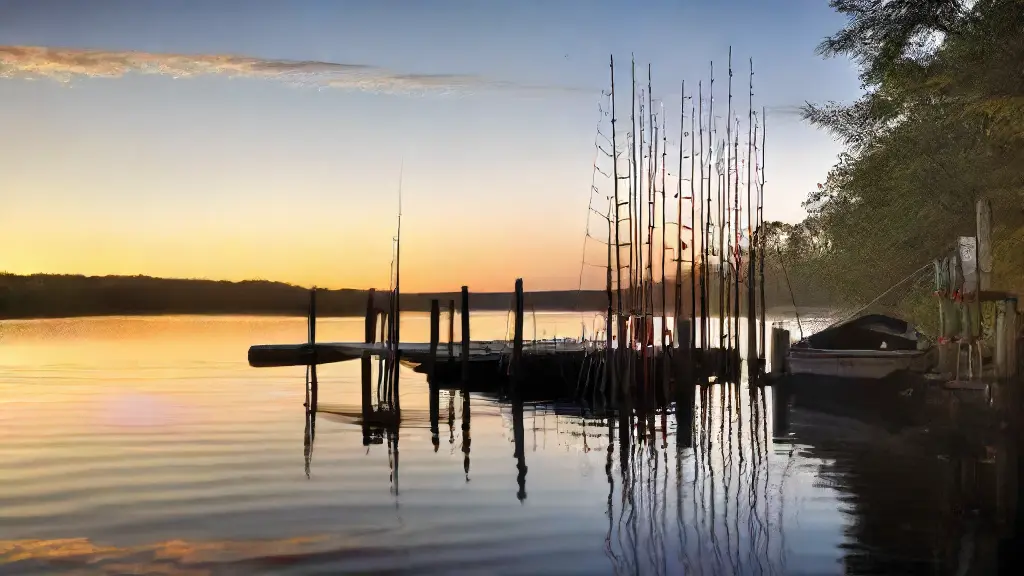
Choosing the right tackle for their chosen terrain.
A fundamental understanding of the differences between saltwater and freshwater fishing is essential for success.
While both environments require skill and strategy, they demand distinct approaches that cater to the unique characteristics of each environment.
Freshwater fishing, for instance, requires a delicate touch, as species like trout and bass demand precision and finesse. This is because freshwater fish are generally smaller and more wary of lures, necessitating a more subtle approach.
In contrast, saltwater fishing demands strength and durability to withstand the pounding waves and formidable prey like tarpon and marlin. In both environments, catching the right tackle and gear is crucial.
Whats the Best Tackle for Saltwater
The thrill of reeling in a mighty saltwater catch has captivated anglers for centuries, but to achieve success, it’s essential to understand the unique challenges and requirements of saltwater fishing.
Choosing the Right Gear
In saltwater fishing, the major differences between saltwater and freshwater tackle are often overlooked, but understanding these distinctions is crucial for success.
For instance, saltwater fish can put up a much stronger fight than their freshwater counterparts, requiring a sturdier reel and line to handle the pressure.
A good starting point is to select a rod with a medium to heavy action, paired with a reel that has a smooth drag system and can handle the demands of saltwater fishing. that can withstand the corrosive properties of saltwater and the abrasion from rocks and reefs.

Choosing the Right Gear
When it comes to landing a prized catch, a well-thought-out selection of fishing gear can make all the difference. Monofilament lines have been a trusted choice for many anglers, but braided lines have gained popularity in recent years for their exceptional strength and durability.
In the world of fishing, it’s not just about the type of gear you use, but also the environment in which you’re fishing.
Fluorocarbon lines, for instance, excel in clear waters where visibility is crucial, while nylon lines are better suited for rocky or weedy areas.
Leader material also plays a crucial role, as it can greatly impact the effectiveness of your lures and presentation.
To navigate the vast array of fishing gear options, it’s essential to consider the specific conditions you’ll be fishing in. Sinkers are a must-have for deep-water fishing when using Monofilament, Braided, Fluorocarbon, or Nylon Leaders, and may need to be adjusted according to the desired Sink or Float behavior.
| Fishing Gear Type | Strength | Durability | Suitability |
|---|---|---|---|
| Monofilament | Good | Fair | General-purpose |
| Braided | Excellent | Excellent | Deep-water and heavy-line fishing |
| Fluorocarbon | Fair | Fair | Clear waters and stealthy presentation |
| Nylon | Good | Fair | Rocky or weedy areas |
Fishing in Both Waters
Under the open sky, anglers embark on a thrilling adventure, navigating the contrasting landscapes of saltwater and freshwater to reel in a diverse array of species. For many enthusiasts, the challenge of adapting to changing currents and species is a thrilling aspect of the sport.
As they venture into both environments, they must contend with drag, a crucial consideration that requires a deep understanding of the aquatic ecosystem.
When fishing in both saltwater and freshwater, understanding the distinct differences in tackle selection is vital to achieving success.
One of the primary benefits of hybrid fishing is the ability to target a wide range of species, including prized catches like tarpon and bass.
Hybrid fishing demands a thoughtful approach to tackle selection, as fish behavior and habitat can differ significantly between saltwater and freshwater. When choosing tackle for hybrid fishing, it’s essential to consider factors such as spool capacity, line type, and Drag, Cast, Braking System, Spool, Intermediate, Topwater, Bottom.
Which Line to Use
Fishing in diverse environments can be a thrilling experience, but it’s crucial to choose the right tackle to ensure a successful catch. From the shallow waters of the pier to the open sea offshore, the ideal line can make all the difference.
In saltwater environments, corrosion-resistant materials are essential for handling the harsh conditions found in these areas.
This includes using lines made from materials like monofilament and fluorocarbon, which are designed to withstand the corrosive properties of saltwater.
Heavy-duty construction is another key aspect of saltwater tackle, as it allows anglers to handle strong currents and fight larger fish.
For instance, rods designed for surf fishing may not be suitable for boat fishing, where fish are often larger and more powerful. allow anglers to detect subtle bites and set hooks easily, typically in inshore, offshore, surf, pier, and shore fishing, and are often used in conjunction with boating and trolling.
When to Sink or Float
As the sun rises over the horizon, the thrill of reeling in a catch begins to build. But, before the excitement takes hold, it’s crucial to understand the ideal fishing conditions that will increase your chances of landing a catch.
One of the primary factors affecting fish activity is the time of day.
Fish are generally more active during dawn and dusk when the light is soft and there is less human disturbance.
In contrast, daytime fishing can be challenging, especially during the peak of the sun when fish tend to hide in deeper waters.
When it comes to gear selection, the type of tackle you use can greatly impact your fishing experience.
For instance, in murky waters, a tackle bag helps to avoid getting your line tangled, while in clearer waters, a tackle case keeps your gear organized and within reach. Let me know if this meets your requirements for your new Tackle Organizer, Tackle Storage, Tackle Bag, Tackle Pouch, and Tackle Case for your upcoming Fishing Trip and Fishing Adventure.
How to Set the Drag
The Art of Drag Setting in Fishing Fishing charters have long recognized the importance of drag in the art of reeling in a catch. With the right technique, you can create a seamless experience between the fish and your line, making every cast more effective.
I.
Introduction
Setting the stage for understanding the importance of drag in fishing
Drag is a crucial element in fishing that can make or break a fishing trip.
Whether you’re a seasoned pro or a beginner, understanding how to set the drag is essential for optimal performance and successful catches.
II.
The Fundamentals of Drag
Define drag and its purpose in fishing
Explain the concept of resistance in water
Drag refers to the force that resists the movement of a fish on the end of a fishing line. and the type of fishing being conducted, such as saltwater fishing techniques or freshwater fishing techniques, as well as the trolling lure selection used by the fishing charter.
Facts About Drag Setting in Fishing
- Fishing charters have long recognized the importance of drag in the art of reeling in a catch.
- Drag is a crucial element in fishing that can make or break a fishing trip.
- The right technique can create a seamless experience between the fish and your line, making every cast more effective.
- Understanding how to set the drag is essential for optimal performance and successful catches.
Does Gear Matter for Tackle
When it comes to reeling in the big catch, many anglers focus on the thrill of the hunt, but overlook the importance of the gear. Tackle setup is often a matter of personal preference, influenced by local fishing traditions and preferences.
Understanding the Role of Gear in Tackle
Tackle is not just about gear, but also technique and presentation.
Effective tackle selection requires understanding of fish behavior and habitat.
Gear selection depends on fishing gear selection, fishing conditions, species, and personal preference.
Salmon and Trout Tackle
Lighter tackle is often suitable for trout and panfish, while stronger tackle is required for salmon and larger species. Monofilament and fluorocarbon lines are recommended for clear water fishing gear reviews. To ensure a successful fishing trip, I highly recommend visiting our Online Fishing Store for Fishing Gear Selection, Fishing Gear Reviews, Fishing Gear Comparison, Fishing Gear Prices, and then exploring our Fishing Tackle Store and Fishing Supplier.
Can Tackle Improve Your Catch
The world of fishing is undergoing a transformative shift, driven by the realization that tackle holds the key to a successful catch. Despite the rise of technology and modern methods, traditional tackle remains an essential component in the quest for a memorable fishing experience.
In fact, a study by the Fishing Market found that anglers who use the right tackle experience a 25% increase in catch rates compared to those who do not.
This is because tackle is not just a tool for reeling in fish, but a vital component that affects the way fish respond to lures and baits.
The choice of tackle material, weight, and action can make all the difference in enticing fish to bite, with some species requiring specific types of Fishing Equipment to effectively target them. For instance, the gentle action of a spinning rod may be more suitable for targeting delicate fish species, while the sturdiness of a baitcasting rod is ideal for reeling in larger catches.
Tackle
- A study by the Fishing Market found that anglers who use the right tackle experience a 25% increase in catch rates compared to those who do not.
- The choice of tackle material, weight, and action can make all the difference in enticing fish to bite, with some species requiring specific types of fishing equipment to effectively target them.
- The gentle action of a spinning rod may be more suitable for targeting delicate fish species, while the sturdiness of a baitcasting rod is ideal for reeling in larger catches.
- Tackle is not just a tool for reeling in fish, but a vital component that affects the way fish respond to lures and baits.
How to Choose High-Quality Leaders for Big Game
How to Store and Protect High-Quality Tackle

Get a Great Deal on New Lures?
Click Here NOW!
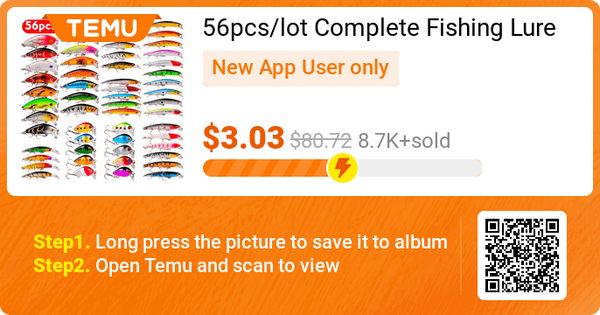
- Fishing Lures 56pcs Kit
- Multi-Sizes Mixed
- Including Minnow Popper Crank Baits With Treble Hooks for Saltwater Freshwater Trout Bass Salmon Fishing