Best Lipless Crankbaits for Early Spring Fishing
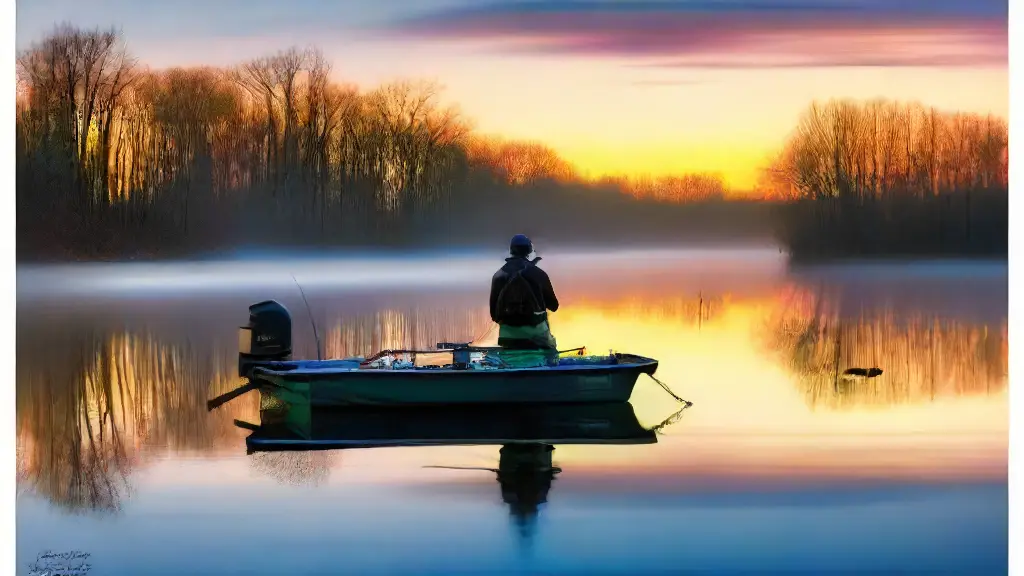
As the winter chill begins to dissipate, the promise of a new fishing season takes center stage, and anglers eagerly anticipate the arrival of active fish on the scene.
When it comes to reeling in the big catch, lipless crankbaits are often the go-to choice for many anglers.
With their versatility and ability to mimic injured baitfish, it’s no wonder they’re a staple in many fishing arsenals.
But with so many options available, finding the right lipless crankbait for the job can be overwhelming.
That’s why it’s essential to consider key factors such as body size, diving depth, color, and vibration when selecting the perfect lure for your early spring fishing adventure. In the early stages of the season, water temperature, structure, cover, vegetation, rocks, weedbeds, submerged logs, creek channels, and river bends all play a crucial role in determining the best fishing spots.
What is the Best Lure Color for Early Spring
As the seasons transition and winter’s grip begins to loosen, anglers anticipate the thrill of early spring fishing. With water clarity improving and fish habits shifting, it’s crucial to adapt and adjust your approach to succeed.
Understandably, early spring fishing presents a unique set of challenges.
Water clarity, which was previously murky, begins to clear, and fish behaviors start to change.
Fish species that were previously active on ledges may now migrate to deeper areas or alter their feeding patterns.
One key factor that contributes to the success of early spring fishing is the understanding of lure behavior.
As water temperature rises, fish become more active, and accurate fishing tactics take center stage. Anglers need to be aware of these subtle changes, including the optimal retrieval speed and depth control required to effectively navigate these shifting dynamics. Let me know if you’d like me to walk you through the specifics of using flats, ledges, fishing tactics, retrieval speed, depth control, casting distance, sonar, fish finder, GPS, and fish species to find your targeted species.
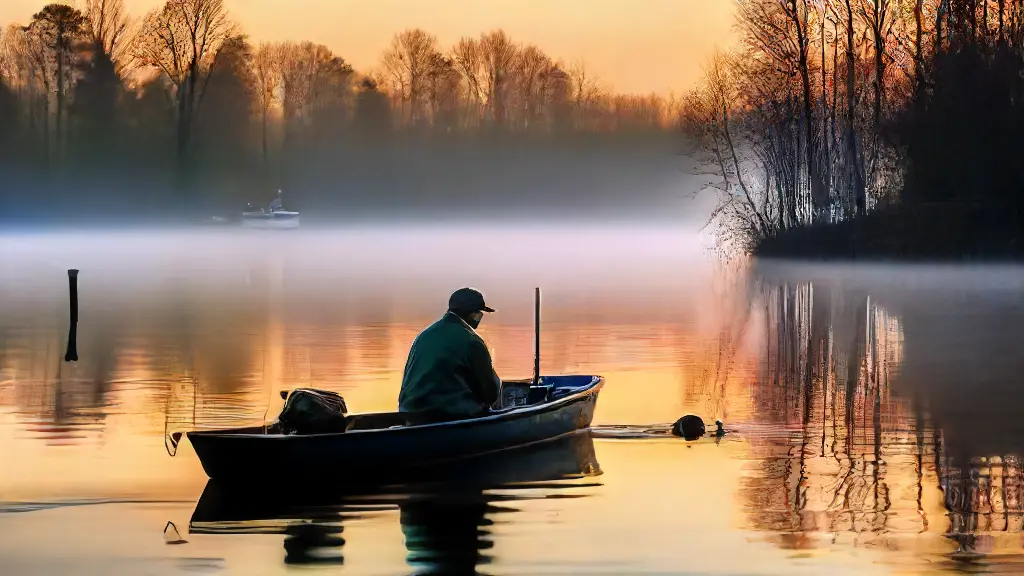
How Do Water Temperature Affect Fish Behavior
In the underwater world, subtle changes in temperature can have a profound impact on the daily lives of fish, influencing their habits, feeding patterns, and overall well-being. Water temperatures between 55°F and 65°F, for instance, spark lively activity in largemouth bass.
The optimal water temperature for fish feeding patterns varies significantly depending on the species.
Trout thrive in colder temperatures between 40°F and 55°F, while large-mouth bass find warmth in waters between 65°F and 80°F.
The key to understanding how water temperature affects fish behavior lies in identifying the brake point temperature, which marks the beginning of fish activity. This critical temperature range is essential for determining the effectiveness of vibration-emitting lipless crankbaits and other wobbling fishing lures. The optimal crankbait design for diving depths below 10 feet is determined by considering species identification, lure color, lure size, lure shape, vibration, rattling, wobbling, diving depth, and running depth.
Water Temperature Facts
- Water temperatures between 55°F and 65°F spark lively activity in largemouth bass.
- The optimal water temperature for trout is between 40°F and 55°F, while large-mouth bass prefer temperatures between 65°F and 80°F.
- The brake point temperature, which marks the beginning of fish activity, is a critical temperature range for determining the effectiveness of vibration-emitting lipless crankbaits and other wobbling fishing lures.
- The optimal crankbait design for diving depths below 10 feet is determined by considering species identification, lure color, lure size, lure shape, vibration, rattling, wobbling, diving depth, and running depth.
Which Fisher Tactic is Best for Spring Fishing
In the pursuit of catching the big one, anglers often find themselves at the crossroads of selecting the perfect lure. As the seasons transition, the early spring fishing period brings its own set of challenges, making it essential to choose the right bait to entice finicky fish.
Weighted crankbaits have gained popularity among anglers, and it’s not hard to see why.
As the weather begins to warm up and the ice melts, early spring fishing is a highly anticipated event.
During this period, fish are particularly finicky, making it crucial to choose the right lure to appeal to their senses. Unpainted crankbaits have emerged as a popular choice for early spring fishing, and for good reason. Spring fishing conditions are characterized by water temperatures ranging from 40 to 60°F (4 to 15°C) and varying depending on the crankbait weight, which can be adjusted for optimal results, such as with a weighted crankbait, unpainted crankbait, painted crankbait, chartreuse crankbait, blue crankbait, black crankbait, silver crankbait, or gold crankbait, all of which come in a variety of finishes, including hammered finish.
Why is Retrieval Speed Crucial for Lipless Crankbaits
In the realm of bass fishing, the subtle nuances of technique often make all the difference. By incorporating the perfect blend of presentation and retrieval speed, anglers can entice even the most elusive species.
Lipless crankbaits are designed to dive to specific depths and create a textured finish on the water’s surface, attracting fish from a distance.
Early spring fishing, in particular, demands a precise retrieval speed to trigger strikes from lethargic fish.
As water temperatures rise, fish become more active and feeding aggressively, making retrieval speed a critical factor in determining success.
The Science Behind Retrieval Speed
Water temperature plays a significant role in fish behavior, with warmer waters often leading to more aggressive feeding.
Monofilament line allows for optimal presentation and hook setting, while treble hook designs can be tailored to specific species.
Retrieval Speed in Bass Fishing
- Early spring fishing demands a precise retrieval speed to trigger strikes from lethargic fish.
- Water temperature plays a significant role in fish behavior, with warmer waters often leading to more aggressive feeding.
- Monofilament line allows for optimal presentation and hook setting.
- Treble hook designs can be tailored to specific species.
What are the Best Fishing Line for Lipless Crankbaits
As the sun rises over a shimmering lake, the pursuit of a trophy bass begins with the right tackle, particularly the humble lipless crankbait, which demands a specialized fishing line to unleash its full potential.
The importance of selecting the right fishing line for lipless crankbaits cannot be overstated.
A suitable line can make all the difference in sunlight penetration, enhancing not only the presentation of the bait but also the chances of landing the fish in deep water.
In fact, using the wrong line can lead to poor casting accuracy, lackluster action, and a reduced success rate in spring patterns.
Lipless crankbaits have been around for decades, with their evolution largely driven by water clarity and water color. The right line can help to maximize the effectiveness of these baits, whether it’s casting across a cold front or working a warm front. When water clarity, water color, sunlight penetration, and bottom, midwater, and surface structures are taken into account,.
How to Choose the Right Crankbait Weight for Early Spring
As the mercury rises, spring’s unpredictability often leaves anglers scratching their heads, unsure of how to effectively target finicky fish. One key to unlocking early spring success lies in understanding the relationship between water temperature and crankbait action.
One crucial aspect to grasp is the concept of fish congregating in specific areas, such as submerged structures or weed beds, to forage for prey.
This knowledge can aid in selecting the right crankbait weight for early spring fishing.
Understanding Water Temperature and Crankbait Action
Crankbaits are designed to mimic injured baitfish, and their action can be influenced by factors such as depth, speed, and vibration. These variables can be further impacted by water temperature, with colder water often requiring slower and more subtle presentations.
Unlocking Early Spring Success
- Crankbaits are most effective when presented at a depth of 5-10 feet in early spring.
- Water temperature plays a crucial role in crankbait action, with colder water requiring slower and more subtle presentations.
- Fish tend to congregate in areas with abundant food sources, such as submerged structures and weed beds, during early spring.
- A crankbait weight of 1/8 to 1/4 ounce is often ideal for early spring fishing, as it allows for a more natural presentation and better tracking.
What are the Most Effective Fish Species for Early Spring
As the last wisps of winter’s chill dissipate, the great outdoors awakens, beckoning anglers to cast their lines and reel in the thrill of early spring fishing.
Understanding the importance of water temperature in fish behavior and activity levels is crucial for early spring fishing success.
Water temperatures between 50°F and 65°F typically trigger increased feeding activity in many species, making it an ideal time to target aggressive predators.
Identifying the peak fish activity periods during early spring is also vital.
Typically, this occurs during dawn and dusk when fish are most active, feasting on minnows that dart through the water’s edge.
Submerged structure and weed beds play a significant role in attracting predatory fish during early spring.
These areas provide ambush points for fish to lie in wait, striking unsuspecting shad that swim by, their scales glinting in the sunlight.
Do Sonar and Fish Finder Play a Role in Early Spring Fishing
Freshwater habitats, particularly amid the early spring season, often conceal aquatic life, rendering detection a formidable challenge for anglers.
In murky or shallow waters, sonar and fish finder devices become indispensable tools, as they can help detect fish more effectively than traditional methods.
By presenting your artificial bait in a way that mimics the natural environment, you can increase your chances of securing a catch.
Effective lure selection relies heavily on understanding the fishing technique employed, which is where these devices excel.
By utilizing early season fishing strategies, anglers can capitalize on the prespawn fishing frenzy, reeling in trophy catches.
Lure manipulation plays a crucial role in lure presentation, allowing anglers to mimic the subtlest movements of prey.
With the right fishing approach, anglers can entice even the most discerning fish to take the bait. Fishing guides often base their techniques on the selection of artificial bait, lure presentation, lure manipulation, fishing technique, fishing strategy, and fishing approach.
How to Fish with Swimbaits in Cold Water
How to Fish with Hair Jigs in Early Spring

Get a Great Deal on New Lures?
Click Here NOW!
- Fishing Lures 56pcs Kit
- Multi-Sizes Mixed
- Including Minnow Popper Crank Baits With Treble Hooks for Saltwater Freshwater Trout Bass Salmon Fishing