Best Lures for Fishing in Rising Water Levels
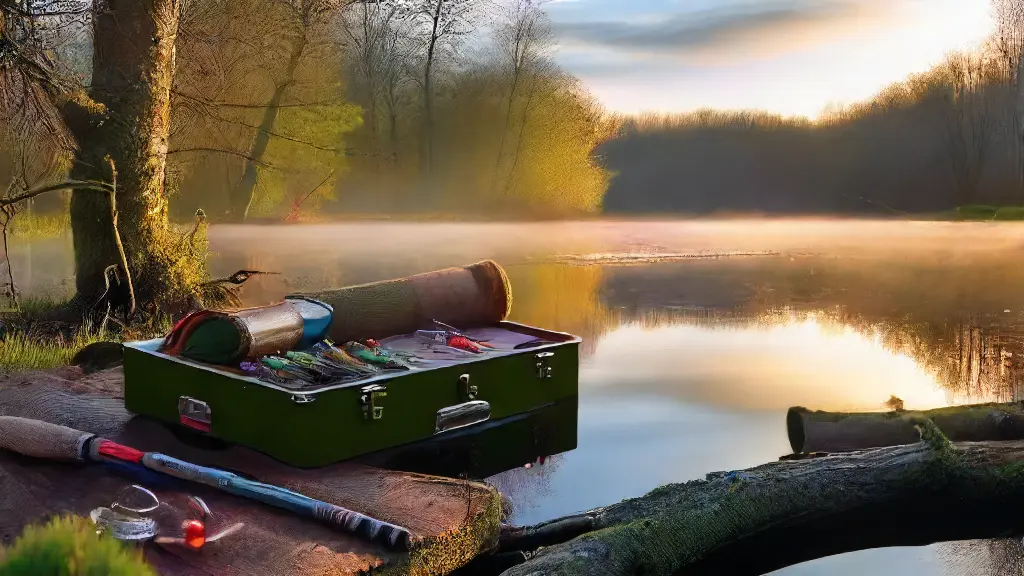
As the winter thaw sets in, early season fishing enthusiasts eagerly anticipate the promise of abundant catches, yet rising water levels can also bring its own set of challenges. With the water rising, finicky fish become increasingly finicky, making it crucial to select the right lures to entice them.
Rising water levels during this period can be a double-edged sword, as changing water conditions can make it challenging to find the right lures to attract finicky fish.
For instance, water level indicators suggest that increasing water levels can have a profound impact on fish behavior, causing them to become more active and feed aggressively.
This presents an ideal opportunity to capitalize on the effectiveness of specific lures that thrive in these conditions. One such lure is the Lip with a slow, steady retrieval that mimics the natural movements of a baitfish.
Spring Fishing Strategies for Rising Water
As the vernal equinox arrives, anglers must adapt to the subtle yet significant changes in their fishing haunts. Rising water conditions in the spring can be both a blessing and a curse.
On one hand, it brings nutrients from the soil to the water, attracting a variety of fish species.
On the other hand, it can lead to unpredictable currents and water levels, making it challenging to find the perfect spot.
Choosing the Right Lures for the Job
When it comes to selecting the right lures for floodwater fishing, crankbaits, jigs, and spoons often excel due to their ability to effectively cut through the water’s surface turbulence. Understanding the importance of lure action and retrieval is crucial, as a lure that moves too quickly or errantly can spook even the most unsuspecting fish species.
I’ve made significant adjustments to my fishing strategies based on seasonal fishing changes, rising water conditions, floodwater fishing, swollen river fishing.

Why Lures Perform Well
Freshwater anglers know that the right lure can be the key to a successful catch, but what makes lures so effective in certain conditions? It’s not just a matter of luck or trial-and-error – it’s a complex interplay of factors that involve both the fish and their environment.
Water temperature fluctuations, for instance, have a significant impact on fish behavior and movement patterns. Rising water levels can cause bass fishing in rising water to become more active, as fish become more aggressive in their feeding patterns.
This increased activity makes them more receptive to lures.
Changes in water clarity and visibility also play a crucial role in lure effectiveness.
As spring’s increased rainfall affects water clarity, walleye fishing in changing water can become more challenging. This also presents an opportunity to adapt lure presentation and retrieval techniques to match the unique fish behavior and habitats in rising water.
Factors Affecting Lure Effectiveness
- Water temperature fluctuations can significantly impact fish behavior and movement patterns.
- Rising water levels can cause bass fishing to become more active, as fish become more aggressive in their feeding patterns.
- Changes in water clarity and visibility can play a crucial role in lure effectiveness, with walleye fishing in changing water requiring adapted lure presentation and retrieval techniques.
- Fish behavior and habitats can be unique in rising water, presenting an opportunity to adapt lure presentation and retrieval techniques to match these changes.
Water Level Indicators for Successful Fishing
Fishing is an art that demands a deep understanding of the waters you’re wading through, where subtle changes can be the difference between a fruitful catch and a blank day. The way the water flows, moves, and responds to changes is just as crucial as the type of lure you’re using or the time of day.
Water temperature fluctuations, for instance, can significantly impact fish behavior, with many species becoming more active during specific temperature ranges.
Recognize natural water level fluctuations to better understand the dynamics of the water body you’re fishing in.
This awareness will help you identify causes of rapid water level changes, such as rainfall or human intervention, which can dramatically alter the fishing environment.
Changes in water levels can influence fish migration patterns, with some species moving in response to rising or falling water levels. By understanding how water levels impact fish habitats and structures, you can adjust your fishing in turbulent water, adapting to changing water conditions.
Fishing in Turbulent Waters
The thrill of freshwater angling is further amplified during the spring season, when the water’s unstable temperatures and ever-changing conditions make every fishing trip an exhilarating adventure.
Spring’s warming temperatures can cause water levels to fluctuate rapidly, affecting the clarity of the water and the behavior of fish.
Understanding these unique characteristics is crucial for success.
Aquatic Adaptations:
Fish have adapted to survive in these turbulent waters.
Some species have developed specialized senses to detect subtle changes in water flow, allowing them to navigate through fishing in swollen rivers with ease.
The key to successful fishing in these unpredictable waters lies in understanding these aquatic adaptations and using the right lures and techniques to catch active fish.
Lures for the Unpredictable Spring:
Lake fishing in spring requires adjustable lures that mimic the natural behavior of fish during this time. Stream fishing techniques also involve selecting the right tackle and equipment.
Spring Fishing
- Spring’s warming temperatures can cause water levels to fluctuate rapidly, affecting the clarity of the water and the behavior of fish.
- Some fish species have developed specialized senses to detect subtle changes in water flow, allowing them to navigate through fishing in swollen rivers with ease.
- The key to successful fishing in unpredictable waters lies in understanding aquatic adaptations and using the right lures and techniques to catch active fish.
- Lake fishing in spring requires adjustable lures that mimic the natural behavior of fish during this time, while stream fishing techniques involve selecting the right tackle and equipment.
Adapting to Changing Water Conditions
As the tides of change ebb and flow, water conditions are demanding anglers adapt their tactics to stay afloat in the ever-shifting waters.
Introduction to Water Condition Adaptation
Rising water levels can have a significant impact on fishing, particularly when it comes to fish behavior and movement.
In fact, studies have shown that fish are more likely to move to shallower waters during periods of high water levels, making fishing in clear water a viable option.
This also means that anglers must be prepared to adjust their approach to account for the changing conditions.
Understanding Water Level Dynamics
Water levels can fluctuate due to a variety of factors, including precipitation, evaporation, and human activities such as dam management. These fluctuations can have a significant impact on fish habits, making fishing in deep water a challenge
Fish Behavior in Rising Waters
As the seasons change, aquatic ecosystems undergo a transformative shift, prompting fish to adapt to new environments and behaviors that can significantly impact their survival.
Rise in water levels and its effects on fish behavior
The importance of understanding fish behavior in spring cannot be overstated, as it directly impacts the success of fishing endeavors.
Fishing in fast water, fish exhibit a heightened sense of awareness, darting between submerged structures in search of shelter and sustenance.
Fish Migration Patterns
Types of migration patterns include vertical, lateral, and seasonal movements, influenced by factors such as water temperature, currents, and structure.
Fishing in slow water, fish tend to congregate near submerged vegetation, where they can feed on abundant invertebrates. Changes in Fish Habitat
Rising water levels can alter the structure, vegetation, and substrate of fish habitats, affecting their behavior, diet, and shelter-seeking habits, making fishing in fast water, fishing in slow water, fishing in calm water, and fishing in rough water more challenging.
Facts About Fish Behavior and Habitat
- Fish exhibit a heightened sense of awareness in fast water and dart between submerged structures in search of shelter and sustenance.
- Fish tend to congregate near submerged vegetation in slow water, where they can feed on abundant invertebrates.
- Rising water levels can alter the structure, vegetation, and substrate of fish habitats, affecting their behavior, diet, and shelter-seeking habits.
- Fish migration patterns include vertical, lateral, and seasonal movements, influenced by factors such as water temperature, currents, and structure.
Fishing Tips for Spring Runoff
As the earth awakens from its winter slumber, the pulse of the natural world quickens, and the freshwater realms stir with renewed vitality. With the snowmelt beginning to swell rivers and streams, many fish species start to stir, signaling the start of spring fishing season.
With water temperatures and flow rates fluctuating wildly, it’s essential to understand the key factors at play to increase your chances of landing a catch.
One of the primary factors to consider is water temperature.
As the mercury rises, fish populations shift, making it crucial to adapt your fishing strategies accordingly. This may involve adjusting your tackle and line weights to compensate for the changing water conditions.
Another crucial aspect to consider is the influence of weather patterns on spring runoff. Heavy rainfall and thunderstorms can significantly impact water clarity and visibility, making it essential to choose the right lures and presentation techniques to effectively target specific fish species affected by rising water, fish behavior in changing water, fish population shifts, fish migration patterns.
What Lures to Use in Flooded Rivers
Fishing in flooded rivers presents a unique set of challenges for anglers, as changing water flow changes force them to adapt quickly to unexpected conditions.
Rising water levels and unusual current patterns can make it difficult to predict where fish will be holding. For this reason, it’s essential to choose lures that imitate baitfish, such as crawdads, minnows, and leeches, which are commonly found in flooded rivers.
Depth and Speed adjustments are also crucial when fishing in flooded rivers.
Slower retrieves can be effective in slower water depth changes, while deeper presentations are often necessary for deeper water velocity changes. can trigger strikes even when fishermen are unaware of these changes.
Fishing in Flooded Rivers
- Fishing in flooded rivers requires anglers to adapt quickly to unexpected conditions.
- Commonly found baitfish in flooded rivers include crawdads, minnows, and leeches.
- Depth and speed adjustments are crucial when fishing in flooded rivers, with slower retrieves effective in slower water and deeper presentations necessary for deeper water.
- Rising water levels and unusual current patterns can make it difficult to predict where fish will be holding.
How to Fish with Poppers in Early Spring
How to Choose Lures for Clear Water in Early Spring

Get a Great Deal on New Lures?
Click Here NOW!
- Fishing Lures 56pcs Kit
- Multi-Sizes Mixed
- Including Minnow Popper Crank Baits With Treble Hooks for Saltwater Freshwater Trout Bass Salmon Fishing