How to Fish with Carolina Rigs in Early Spring
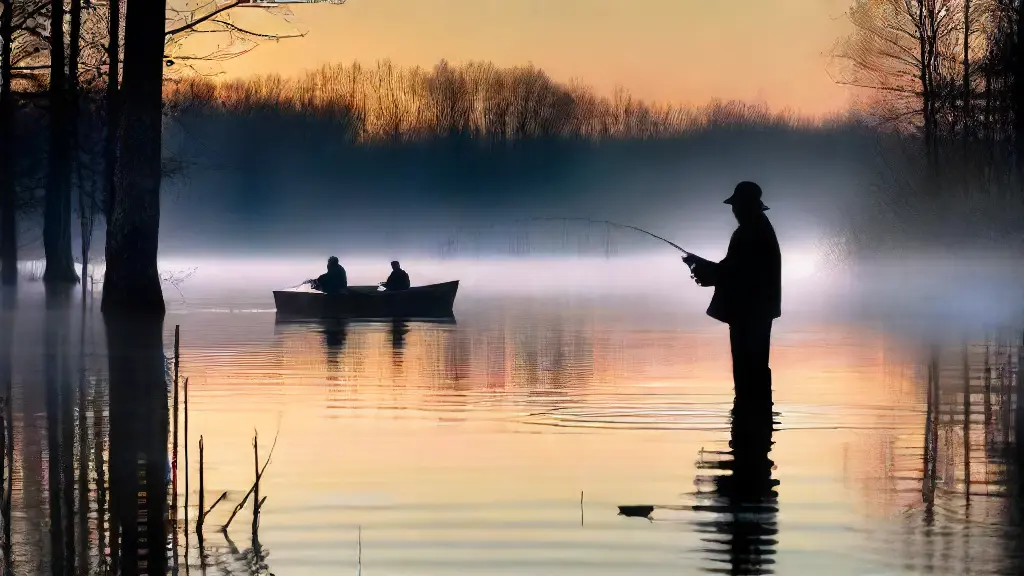
As the last wisps of winter’s chill dissipate, eager anglers anticipate the excitement of early spring’s awakening on the water. Warm sunshine and gentle breezes coax sluggish fish to become more active, making it the perfect time to dust off your gear and hit the water.
Understanding Early Spring Fishing
Early spring fishing is a thrilling experience, as bass begin to transition from their winter habitats to warmer waters.
During this time, they are more active and easier to target, making it an ideal period for anglers to hone their skills.
Carolina Rigging for Early Spring
The Carolina rig is a versatile presentation that excels in early spring fishing. By using a weighted line and a soft-plastic lure, anglers can target fish in a spring-fishing technique with Carolina rigging and floatation.
What
The start of spring signals a new era for bass fishing, as the fish become more active and responsive to lures. While many anglers overlook this period, it’s essential to recognize the unique characteristics of early spring bass fishing, as it presents a distinct set of challenges and opportunities.
When it comes to creating a Carolina rig, understanding the fundamental structure is crucial.
This rig consists of three key components: sinkers, swivels, and [hooks].
The [bait] is responsible for getting the line down to the desired depth, while the [spin] helps prevent line twist and tangles.
The [making] of the catch is where the hook, of course, is vital. of a worm or a softplastic that mimics the appearance of a baitfish making its way up the hook.
When
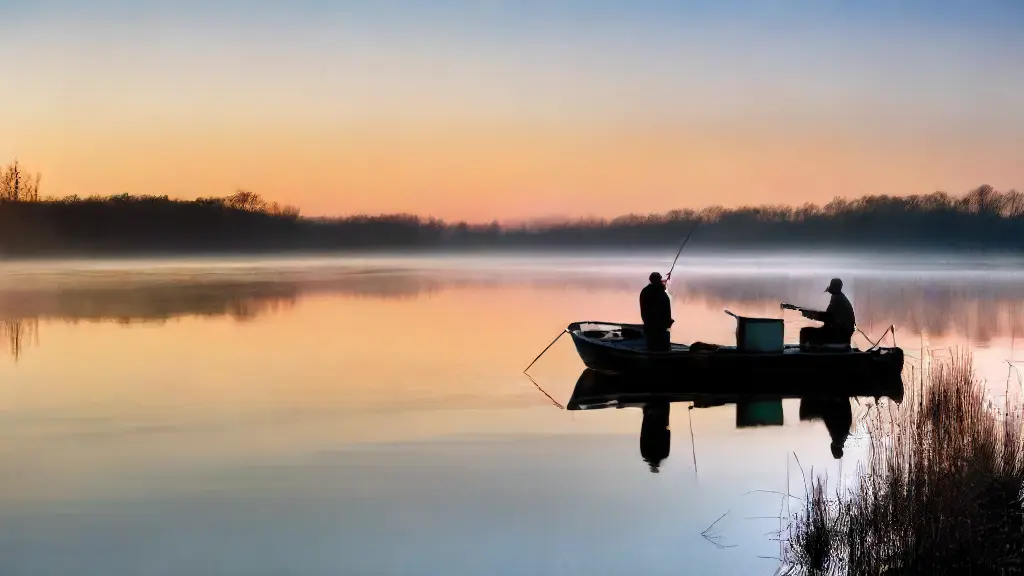
The anticipation is palpable as anglers anticipate the arrival of early-season bass, their rods at the ready to reel in the day’s prize catch.
The key to successful fishing during this time lies in understanding the prespawn phase, when bass begin their migration from deeper waters to shallower areas in search of food.
Timing is everything, as bass are most active during this phase, making it the perfect time to set up a line with worms to attract these hungry fish.
Water temperature plays a crucial role in determining fish activity, with ideal conditions ranging from 55-65 degrees Fahrenheit, making it essential to monitor and adjust your tactics accordingly.
As daylight hours increase, bass behavior changes, and they become more aggressive, striking at lures with increased frequency, resulting in a higher number of bites. As the bass feed on the abundance of food available, their growth accelerates and catches skyrocket during the postspawn.
| Prespawn Phase Timing | Water Temperature | Bass Behavior | Peak Fishing Hours |
|---|---|---|---|
| Bass begin migration from deeper waters to shallower areas | 55-65 degrees Fahrenheit | Bass become more aggressive and strike at lures with increased frequency | As daylight hours increase |
| Key to successful fishing during early-season bass | Ideal conditions for fish activity | Bass feed on abundance of food and growth accelerates | Postspawn |
Where
When angling for spring bass, knowing exactly where to target is the secret to a successful day on the water.
According to experts, one of the most crucial aspects is to look for depths ranging from 55-65°F (13-18°C), where bass tend to congregate.
Look for Depths
- Water temperature: 55-65°F (13-18°C)
- Structural features: rock piles, sunken logs, and weed beds
- Primary and secondary points
Dangling my line just right to hooksets the fish before they notice my presence allows me to set the stage for a reeling-in a catch of a lifetime. The experienced angler carefully selected the right hooksets, knots, leaders, lines, and rods to ensure a successful casting, retrieving, and dragging experience.
Why
As spring’s warmth gradually seeps into the water, a subtle change occurs beneath the surface, and savvy anglers must adapt their approach to tempt bass into striking.
Bass are notorious for their affinity to structure, frequently hovering near rocks and vegetation, prompting anglers to present their lure effectively to elicit a response.
The Carolina rig emerges as a potent weapon during early spring’s bass fishing, merging the right trailer with a precise retrieve to spark action and land more fish.
A diverse selection of trailers becomes essential for anglers, encompassing curly tail worms and lizards, each with unique characteristics and limitations, demanding anglers to choose the optimal option for the specific scenario. underwater structures, covers, vegetation, rocks, sands, gravels, and muds, as diversify the retrieval process’s possible manipulations.
Key Points for Successful Bass Fishing
- Bass are attracted to structure, such as rocks and vegetation.
- The Carolina rig is a effective technique for early spring bass fishing.
- A diverse selection of trailers, including curly tail worms and lizards, is essential for anglers to choose the optimal option for the specific scenario.
- Underwater structures, covers, vegetation, rocks, sands, gravels, and muds diversify the retrieval process’s possible manipulations.
and How to Fish
As the winter frost thaws and the air fills with the sweet scent of blooming flowers, anglers gear up for the excitement of early spring fishing. With the onset of warmer water temperatures, bass begin to stir, signaling the start of a thrilling season filled with action-packed fishing adventures.
Understanding water temperature and its impact on bass behavior
Water temperature plays a pivotal role in shaping bass behavior, with optimal temperatures ranging from 55°F to 65°F.
This narrow window of comfort sparks a frenzy of activity, as bass become more active and start to move into shallower waters.
Review of spring bass migration patterns
Spring bass migration patterns are a crucial element in early spring fishing, as bass migrate from deeper, wintering areas to shallower, more productive waters along creek channels, and lake beds, utilizing structure such as brushes, ledges, dropoffs, underwater points, channels, creeks, rivers, and lakes, influenced by changes in water temperatures.
Softplastic Bait Options
As morning sunshine pours through the misty veil, bass anglers set their sights on the day’s first catch. Softplastic baits have become a go-to option for many anglers, offering a versatility and effectiveness that’s hard to match.
There are numerous types of softplastic baits, each with its unique characteristics, textures, and colors, allowing anglers to tailor their presentations to specific fishing conditions.
When choosing the right softplastic bait, it’s essential to consider the importance of texture, color, and scent.
The texture of the bait can greatly impact its effectiveness, with curly tail and ribbon tail options providing a tantalizing appeal to bass. The significance of color cannot be overstated, as it plays a crucial role in attracting bass, with certain hues and patterns triggering a feeding frenzy. We’ll explore the various softplastics that create a sense of clarity by flowing gently like a breeze on a windless day, with clouds drifting lazily across the sun, and the cycles of moons, tides, and times of day impacting morning fishing.
Softplastic Bait Facts
- Softplastic baits have become a go-to option for many anglers due to their versatility and effectiveness.
- There are numerous types of softplastic baits, each with its unique characteristics, textures, and colors, allowing anglers to tailor their presentations to specific fishing conditions.
- The texture of the bait can greatly impact its effectiveness, with curly tail and ribbon tail options providing a tantalizing appeal to bass.
- The significance of color cannot be overstated, as it plays a crucial role in attracting bass, with certain hues and patterns triggering a feeding frenzy.
Early Season Carolina Rigging
As spring’s warmth dissolves the winter’s chill, the excitement builds for anglers seeking to capitalize on the freshwater paradise that lies beneath. Freshwater bass, once dormant, now begin to stir, and the anticipation is palpable.
Pre-Season Preparation is crucial for maximizing the success of early season Carolina rigging.
This begins by determining the optimal water temperature range for bass activity, typically between 52-65°F.
Inspect and prepare gear for the early spring fishing season by giving your tackle a thorough examination and making any necessary adjustments. Choose the right hook, weight, and lure for the specific fishing conditions.
Plan fishing routes and strategies according to the lake’s structure, water clarity, and time of day. An eveningfishing trip can be particularly productive during the early season, as the fading light brings bass out of their shallowwater hiding spots to roam the midwater.
Fishing Techniques for Bass
As the water warms up in early spring, the lakeland’s fishhabitats start to hum with energy, offering a thrilling opportunity for bass anglers to test their skills.
In the riverlakes and coastal areas, bass tend to congregate near structures such as submerged logs, rocks, and weed beds, where they can feed on a variety of baitfish and preyfish.
To increase your chances of landing a big catch, it’s essential to identify and target these fishhabitats effectively.
One effective fishing technique for bass is to use a soft-plastic lure, such as a curly tail grub or a plastic worm, which can be rigged on a jighead or a spinnerbait. This presentation allows you to mimic the movement and appearance of a natural baitfish, enticing predators to strike. Another popular method is to employ a topwater lure that imitates baitfish or small preyfish, which are often the preferred food source for predatorfish in offshore, coastal, riverlake, and lakeland environments.
- Bass tend to congregate near structures such as submerged logs, rocks, and weed beds in riverlakes and coastal areas.
- Soft-plastic lures, such as curly tail grubs or plastic worms, can be effective for mimicking natural baitfish and enticing predators to strike.
- Topwater lures that imitate baitfish or small preyfish can be popular methods for catching bass in offshore, coastal, riverlake, and lakeland environments.
- Fishing techniques that target specific fishhabitats, such as submerged logs or weed beds, can increase the chances of landing a big catch.
Best Worms for Early Spring Bass Fishing
Best Buzzbaits for Early Spring Fishing

Get a Great Deal on New Lures?
Click Here NOW!
- Fishing Lures 56pcs Kit
- Multi-Sizes Mixed
- Including Minnow Popper Crank Baits With Treble Hooks for Saltwater Freshwater Trout Bass Salmon Fishing