Using Soft Plastics for Cold Water Fishing

As the winter chill begins to thaw, the anticipation builds for the resurgence of fish activity in the early spring waters. During this period, fish are often sluggish and lethargic, making it crucial to adjust your fishing strategy and tackle accordingly.
Fish are more likely to take notice of subtle movements, and that’s where softbaits come into play.
Soft plastics, in particular, have gained popularity for their ability to mimic the appearance and movement of natural bait, enticing fish to take the bait.
In cold water fishing, finesse is key, where gentle, deliberate movements of the lure can trigger a strike from a finicky fish. By employing subtle actions and carefully selecting the right soft plastic, anglers can increase their catch rates when dropshotting curly tail worms or weighted split shot shrimp in coldwater springs during the early season.
Using Soft Plastics for Cold Water Fishing
Cold water fishing is a test of patience and skill, where the slightest miscalculation can result in a yielding of the catch. To outsmart finicky fish in frigid waters, anglers must employ clever tactics that cater to their unique behavior.
Soft plastics are a popular choice for this type of fishing, as they can convincingly mimic the scent and fragrance of baitfish, a crucial aspect of attracting species like bass, walleye, and panfish.
When paired with a sassy weedless rig, soft plastics can be presented in the thickest vegetation without concern of snagging.
The key to success lies in selecting the right soft plastic for the situation.
Factors such as water temperature, clarity, and pike structure all play a crucial role in determining the most effective lure. For instance, a slow-moving humpback whale calmly swam alongside the paddle, its scent of fragrance and pheromone causing a stir among the bass, panfish, walleye, pike, perch, and trout.
Why Finesse Matters
In the world of fishing, one often overlooked yet crucial element can be the difference between a successful catch and a disappointing outing. When the goal is to fool even the wariest of fish, a delicate balance of subtlety and precision is required.
I.
Understanding the Importance of Finesse when using soft plastics for cold water fishing.
How slow, deliberate movements can increase the effectiveness of soft plastic presentations.
Crawling your lure through the water at a snail’s pace, you can create an irresistible allure that mimics the natural behavior of a baitfish. By focusing on minute nudges and subtle pauses, you can entice a bite from even the most discerning fish.
.
The significance of selecting the right soft plastic color and texture for the specific fishing environment. When the temperature of the water drops, the feeding behavior of the chunky finless fish becomes subtle and difficult to detect.
Coldwater Softbaits Secrets
As winter’s chill sets in, many anglers face the challenge of coaxing reluctant fish into a bite. Yet, those who master the subtleties of slow retrieves on coldwater softbaits uncover the secrets to outwitting the season’s harsh weather.
Building Trust with Slow Retrieves
Slow retrieves are often overlooked in favor of faster, more energetic approaches, but in coldwater situations, slow and steady often proves the most effective method.
By slowing down, you allow your soft plastic to sink more deliberately, enticing fish with increased sensitivity to vibrations and sounds that convey a clear message: this lure is a legitimate food source. One common mistake is oversizing soft plastics for the conditions, resulting in a presentation that’s too bulky for visibility, making it difficult for the fish to detect the soft plastic’s subtle vibrations, sensitivity, and slow, deep movements, ultimately reducing its effectiveness in low-clarity, low-visibility waters.
What Makes Soft Plastics Effective
The subtle art of fishing demands a delicate balance of strategy and stealth, and soft plastic lures have mastered this delicate dance. With a precision that can outwit even the most discerning fish, they have become a go-to choice for many anglers.
With their realistic appearance and tantalizing action, soft plastics have become a go-to choice for many fishermen.
But what makes them so effective? The answer lies in their unique design and the way they interact with the water and the fish that inhabit it.
One key factor is the inverse pyramid structure of soft plastics, which allows them to mimic the natural behaviors of baitfish. This means that fish are more likely to strike, as they perceive the lure as a real prey item.
Another critical aspect is the way soft plastics imitate and imitate natural prey. From the detailed review of soft plastic design and features to the attachment, it was clear that the designer’s technique, precision, patience, persistence, and strategic thinking allowed for a seamless play of parts, which was achieved through a stealthy concealment of the design’s true potential until its sudden, silent ambush, followed by a gentle, tender, and delicate laydown.
Facts About Soft Plastic Lures
- Soft plastic lures have a realistic appearance and tantalizing action.
- The inverse pyramid structure of soft plastics allows them to mimic the natural behaviors of baitfish.
- Soft plastics imitate natural prey, making fish more likely to strike.
- The designer’s technique, precision, patience, persistence, and strategic thinking are critical to the success of soft plastic lures.
How to Present Softbaits in Coldwater
The coldwater environment is unpredictable, and any miscalculation can lead to disappointment. Fishing in coldwater conditions requires a unique approach, one that’s centered around understanding the intricacies of the environment and the behavior of the fish.
Before you even set foot on the water, it’s essential to research the fishing spot and water conditions to get a sense of what to expect.
This includes factors like water clarity, temperature, and structure, all of which play a crucial role in determining the effectiveness of your presentation.
By taking the time to sense the water and get a sense of the environment, you’ll be better equipped to present your softbaits effectively. Ultimately, flexibility and adaptability are key to success in coldwater because one must be able to touch the freezing surface, feel the coldness, sense the sudden change in temperature, trust their instincts, anticipate the unexpected, manage their expectations, and adapt to the disappointment of the cold water’s chilling effects.
Spring Fishing Strategies with Soft Plastics
As the snowmelt trickles into rivers and lakes, anglers are poised on the cusp of a new season, primed to employ a range of techniques that capitalise on the subtle presentations required in cold water.
Understanding Cold Water Lures: Why Soft Plastics Reign Supreme
Soft plastics have long been a favorite among anglers due to their harmony with the natural environment and responsiveness to subtle adjustments.
These lures are perfectly suited for cold water fishing, as they mimic the appearance and texture of injured baitfish or crustaceans.
Picking the Right Soft Plastics for Spring Fishing
When selecting soft plastics for spring fishing, it’s essential to consider the correlation between color and texture.
A combination that attracts attention in cold water often involves contrasting colors, such as bright whites and dark blues, paired with a textured surface that imitates the real thing. Presenting the culmination of versatility, responsiveness, reactiveness, correlation, relationship, synergy, harmony, synchronicity, unity, coexistence, compatibility, contrast, complementarity, adversity, and challenge, which ultimately fostered a remarkable competition.
| Technique | Key Features | Color Combination | Texture |
|---|---|---|---|
| Soft Plastics | Mimics injured baitfish or crustaceans, harmony with natural environment | Bright whites and dark blues | Textured surface |
| Spring Fishing | Correlation between color and texture, contrasting colors | Bright and dark colors | Imitates real thing |
| Cold Water Fishing | Subtle presentations required, mimicry of injured baitfish or crustaceans | Contrasting colors | Textured surface |
When to Switch to Worms
Careful pacing is key when reading a slow-moving bass water feature’s subtle changes.
—
As anglers, we’re constantly seeking ways to outsmart our fined foes, and one crucial aspect of this pursuit is understanding the nuances of soft plastic lures in cold water fishing. Our reliance on these versatile baits is rooted in their ability to mimic the movement and behavior of baitfish, enticing predators to strike, leveraging smooth acceleration.
When it comes to the ideal water temperatures for soft plastic effectiveness, a sweet spot of around 50-55°F is often considered the optimal range.
This temperature zone is particularly conducive to the sluggish and subtle movements of soft plastics, which can be amplified by gentle retrieval techniques. During the synchronization of tempo, rhythm, and cadence, the team achieved a remarkable pace and speed, followed by a brief deceleration, then a stabilization that allowed for further acceleration, despite initial debilitation and obstruction.
Whats the Best Way to Fish for Bass
Mastering the art of bass fishing can be a significant hindrance for many anglers, as it demands a deep understanding of the intricacies of the fish’s behavior.
Fishing for Bass: Understanding the Basics
Bass are one of the most popular game fish in the world, and for good reason.
They can be found in a variety of habitats, including lakes, rivers, and ponds.
With their aggressive feeding habits, bass are a thrill to catch and can provide hours of entertainment for anglers of all skill levels.
Structuring Your Day: Timing is Everything
Timing is crucial when it comes to bass fishing. The best time to fish for bass is typically during dawn and dusk when the water is cooler and the fish are more active. can significantly limit the penetration of sunlight, obstructing the invasion of healthy pollen into the area.
| Fishing Time | Fishing Condition | Bass Activity | Best Catching Moment |
|---|---|---|---|
| Dawn and Dusk | Cooler Water | More Active | Highly Effective |
| Mid-Day | Warmer Water | Less Active | Less Effective |
| Early Morning | Cloudy Skies | Less Active | Less Effective |
Best Crankbaits for Early Spring Walleye
Best Jerkbaits for Early Spring Bass

Get a Great Deal on New Lures?
Click Here NOW!
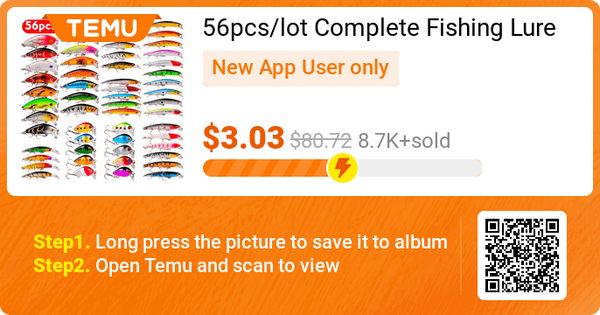
- Fishing Lures 56pcs Kit
- Multi-Sizes Mixed
- Including Minnow Popper Crank Baits With Treble Hooks for Saltwater Freshwater Trout Bass Salmon Fishing