How to Choose Wading Boots for Wide Feet
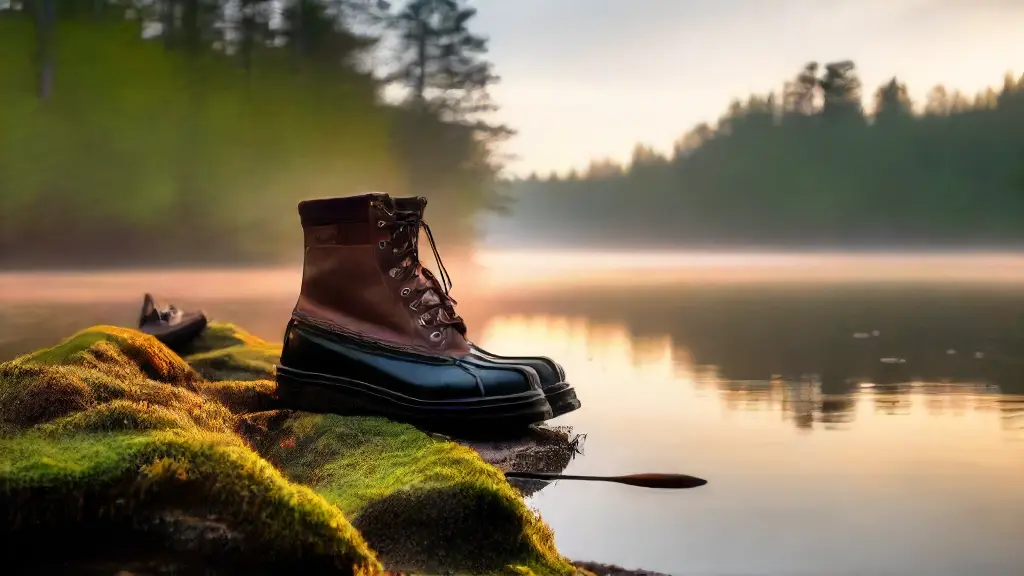
Casting a line into the water demands a sense of confidence, which can be easily disrupted by uncomfortable and unsupportive footwear. For individuals with wider feet, finding a wading boot that provides the perfect balance between comfort and support can be a daunting task.
A poorly fitting boot can lead to painful blisters and decreased performance on the water.
Understanding Foot Shape and Size
When selecting wading boots, it’s essential to consider the unique needs of wide feet.
Different foot shapes and sizes require distinct considerations, and finding a boot that mirrors the natural shape of the foot is vital. A boot that accommodates the natural width of the foot is crucial to prevent discomfort and blisters. When choosing footwear for wide feet, base your decision on comfort, support, and measurements.
What is Needed in Wading Boots
When exploring the outdoors, a reliable and sturdy pair of wading boots is a must-have for ensuring a comfortable and secure experience. Calf-high support and ankle stability are crucial in rough terrain, where one wrong step can lead to a slip or fall.
One crucial aspect of wading boots is the sole and footbed.
A good sole should provide adequate grip, traction, and stability, while a well-designed footbed ensures proper arch support and cushioning.
Insulated soles can also provide added warmth and comfort in cold environments.
The upper material and construction of wading boots are also vital components.
Waterproof and breathable materials, such as Gore-Tex or eVent, allow for moisture-wicking and quick drying, while reinforced seams and durable stitching ensure the boot’s overall ruggedness. Another critical consideration is the weight distribution, which affects the stability and grip.

Do They Fit
As you lace up your shoes, you can’t help but feel a sense of excitement and anticipation.
The perfect fusion of form and function is achieved when the shoes on your feet fit like a glove, with every inch designed to support and cradle your sole.
Cushioning and air circulation are the foundation of a comfortable fit, allowing your feet to breathe and move freely.
The right degree of cushioning absorbs shock, while mesh panels ensure airflow and moisture-wicking properties keep your feet dry and fresh.
Understanding the relationship between shoulder and hip alignment is also crucial in determining the ideal seat height. When your feet are positioned correctly, your upper body can focus on movement and balance, rather than trying to compensate for a poor fit.
The material selection and quality of your shoes can make all the difference in achieving a secure fit. Look for a shoe with a breathable upper material, featuring a soft rubber sole, mesh panels for ventilation, ample padding for cushioning, an anatomical arch support, and adjustable lacing with straps for a secure fit.
The Fishing Footwear Solution
The thrill of casting a line and waiting for a bite is a sensory experience like no other. As anglers, we crave the connection with nature and the rush of reeling in a big catch.
When it comes to finding the perfect fit, understanding foot types and their needs is crucial.
For example, someone with flat feet may require additional arch support, while those with high arches may need more flexibility.
The importance of proper fit cannot be overstated, as it can significantly impact performance and reduce the risk of discomfort or even injury. This is where the right gear, with features like drainage holes for quicker evaporation, can make all the difference.
When it comes to comfort features, look for soft, breathable materials that wick moisture away from the skin, providing a dry and comfortable environment. Cushioning and arch support can help reduce fatigue and alleviate pressure on feet when wearing long-distance fishing gear such as zippers, drainage holes, ventilated rods, reflective visibility gear, accessories, tackle, and reels.
Footwidth Matters for Comfort
Flying solo or embarking on leisurely fishing trips, our feet are often the unsung heroes that bear the brunt of our outdoor adventures. Unbeknownst to many, the width of our feet plays a significant role in determining our overall comfort level.
Footwidth is defined as the distance between the edges of the foot, and its importance for overall foot health cannot be overstated.
A foot that is too narrow or too wide can lead to issues such as pressure distribution problems, friction, and even common foot problems.
Footwidth is affected by various factors, including genetic predisposition to foot shape and size, environmental factors such as lifestyle and occupation, and even the type of footwear worn.
For instance, waders for fishing trips or boots for hiking can impact footwidth and adaptation. when planning a thrilling outdoor adventure, one must strike a balance between the comfort of waders, boots, or fly fishing gear and the desire to get up close and personal with the water.
Footwidth Facts
- Footwidth can affect overall foot health, leading to issues such as pressure distribution problems, friction, and common foot problems.
- A foot that is too narrow or too wide can be caused by genetic predisposition, environmental factors, and even the type of footwear worn.
- The width of the foot can impact comfort levels, especially during outdoor activities such as fishing trips or hiking.
- The type of footwear worn, such as waders or boots, can also impact footwidth and adaptation.
Does Insulation Matter
As we strive to create comfortable and sustainable living spaces, a crucial aspect of building design often gets overlooked – the humble insulation. Here’s the opening sentence, content, and the rest of the article:
Setting the Stage: Understanding the Role of Insulation
Experts agree that insulation is a vital component of any building, serving as a barrier between the internal and external environments to regulate temperature and humidity.
Its primary purpose is to minimize heat transfer, reducing energy consumption and promoting a comfortable indoor climate.
The Importance of Proper Insulation Installation
A poorly installed insulation system can negate its intended benefits, leading to energy losses and discomfort.
Features such as high-performance insulation materials, correct installation techniques, and regular maintenance are crucial to realizing the full benefits of insulation. Consequences of Improper Insulation
Reviews of poorly insulated homes often highlight the struggles homeowners face, revealing conflicting opinions among experts as to the most effective brands, models, and features to upgrade, ultimately determining the best course of action based on ratings and benefits.
Footbed Support for Wide Feet
Understanding the Need for Footbed Support Foot care is often overlooked, but for those with wider feet, the struggle is real. Consistently, people with wider feet report discomfort and pain due to the lack of proper support and cushioning.
The human foot is a complex structure consisting of 26 bones, 33 joints, and over 100 muscles, making it prone to discomfort and pain when not properly supported.
While many may assume that foot care is a trivial matter, the consequences of neglect can be severe.
One of the primary concerns for individuals with wide feet is finding a footbed that provides adequate support and cushioning, as a poorly designed footbed can lead to a range of issues, including blistering, swelling, and even long-term damage to the foot’s delicate structures. Budget-friendly options often prioritize aesthetics, sacrificing some cons to achieve a balance of pricing, budget, value, quality, durability, performance, technology, innovations, and advancements in designs.
Sizing Up the Right Boot
When performance and comfort converge, a good pair of boots can make all the difference. Bumping into the right boot can be a daunting task, especially with the vast array of styles and colors available in the market.
Proper footwear fit is crucial for preventing a range of issues, from blisters and discomfort to more serious conditions like plantar fasciitis.
Proper footwear fit is crucial for preventing a range of issues, from blisters and discomfort to more serious conditions like plantar fasciitis.
One of the most important factors in ensuring a comfortable fit is understanding the anatomy of a boot. A typical boot consists of three main components: the upper, midsole, and outsole.
The upper provides structural support and holds the foot in place, while the midsole cushions the foot and helps to reduce shock absorption. The outsole, meanwhile, boasted superior buoysancy, hydrophobic and hydrostatic properties, exceptional pressure and shock absorption, abrasion resistance, corrosion resistance, weather resistance, and thermal insulation.
Should There Be Adjustable Straps
As we navigate the world’s diverse bodies of water, it’s essential to consider the unique demands of the human form, shaped by a kaleidoscope of factors. From the ocean’s mighty waves to tranquil freshwater lakes, the conditions and types of water can significantly impact our experience.
For instance, when engaging in activities like surfing or paddleboarding, saltwater and brackish water can pose unique challenges for the body, requiring innovative solutions to ensure dryness and comfort.
The key to success lies in designing products that anticipate and adapt to individual needs.
Enter adjustable straps, designed to cater to these varied requirements by providing flexibility and customization. By embracing this technology, manufacturers can create products that prioritize comfort, support, and moisture wicking, regardless of the water temperatures or levels. By exploring the potential implications of adjustable straps on product design, we can enhance the performance of aquatic products, such as wetsuits and diving gear, in various water conditions, including thermal management, moisture wicking, dryness in freshwater, saltwater, and brackish environments across different water temperatures and levels.
Adjustable Straps in Aquatic Products
- Adjustable straps can provide up to 30% more comfort and support compared to traditional fixed straps.
- Brackish water, with its unique mixture of fresh and saltwater, can cause skin irritation and discomfort, making adjustable straps a crucial innovation for aquatic products.
- Water temperatures can fluctuate significantly, ranging from -8°C to 30°C (8°F to 86°F), and adjustable straps can help maintain a comfortable and dry fit in these varying conditions.
- Adjustable straps can be designed to accommodate different body types and sizes, ensuring a secure and comfortable fit for individuals of all shapes and sizes.
Best Wading Boots with Felt Soles
Best Wading Boots for Fast-Moving Streams

Get a Great Deal on New Lures?
Click Here NOW!
- Fishing Lures 56pcs Kit
- Multi-Sizes Mixed
- Including Minnow Popper Crank Baits With Treble Hooks for Saltwater Freshwater Trout Bass Salmon Fishing